
One summer, walking aimlessly along the stone road beside the Old Port of Montreal, I happened to catch a glimpse of a restaurant with charming retro decoration – UN PO’ DI PIÙ. The colorful mosaic floor tiles in the hallway extend to the interior of the restaurant, and people’s eyes are naturally attracted to it. The marble wall becomes the background board of the arc-shaped bar, the cyan ceiling and wall are combined with maroon leather seats, and the frosted glass and lamps with metal elements emit warm yellow light. It looks simple at first glance, but it reveals luxury in the details. UN PO’ DI PIÙ showcases an Italian-style “Dolce far niente” that makes you feel like you’ve traveled through time and space, as if you were in Wes Anderson’s short film “Castello Cavalcanti” The center of an Italian town in the 1950s in Cavalcanti – people casually enjoying the Aperitivo aperitif time, completely indifferent to the passing of minutes and seconds, and just want to focus on the happiness of the moment.
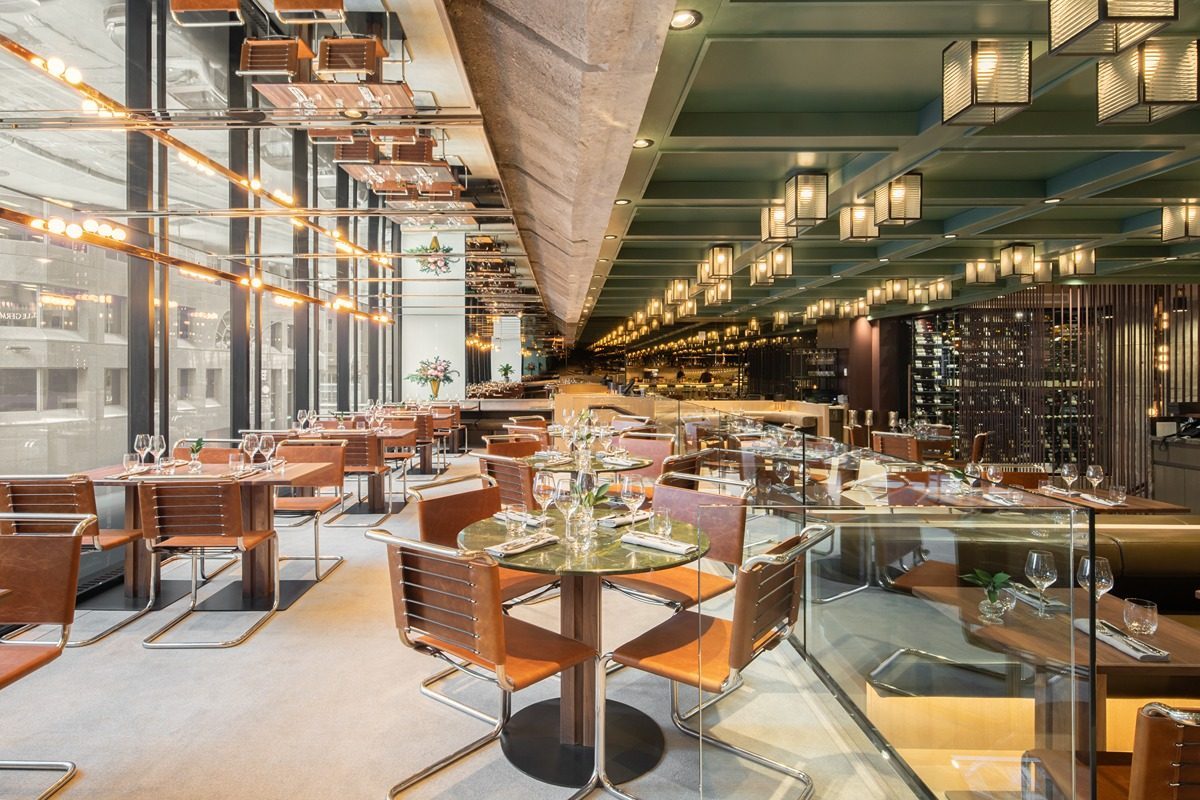
LE BOULEVARDIER
It is necessary to create a strong Italian style and harmoniously blend into the surroundings of the Old Port of Montreal to create a beautiful and comfortable social space. This is the original vision of the Canadian design firm Atelier Zébulon Perron for UN PO’ DI PIÙ, and the firm It has indeed fulfilled the vision for this restaurant. Surrounded by a strong Italian style, outside the window are tourists strolling in the old town of Montreal. In UN PO’ DI PIÙ, it is difficult not to pay attention to the small and easily overlooked beauty in front of you. Encouraging a return to real life and face-to-face human interaction, this core concept is not only reflected in the UN PO’ DI PIÙ restaurant design, but runs through almost all design projects of Atelier Zébulon Perron. “Connecting people through design can be said to be one of my obsessions,” said Zébulon Perron, founder of Atelier Zébulon Perron Design Office. We live in an era of digital gadgets and less offline communication, and more and more people realize that they interact with others even more on social networks than in real life. Therefore, Perron believes that designs that are closely related to people’s multiple feelings seem to be endowed with more social responsibilities.
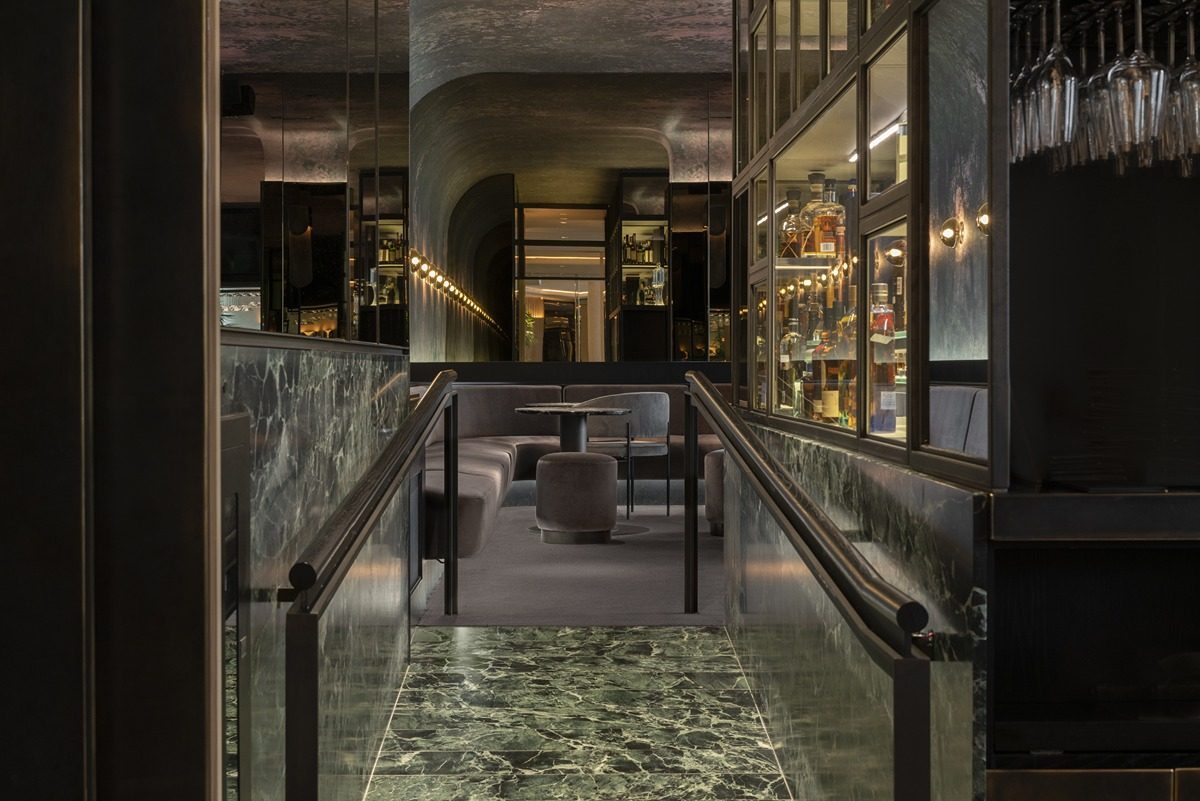
MARCUS
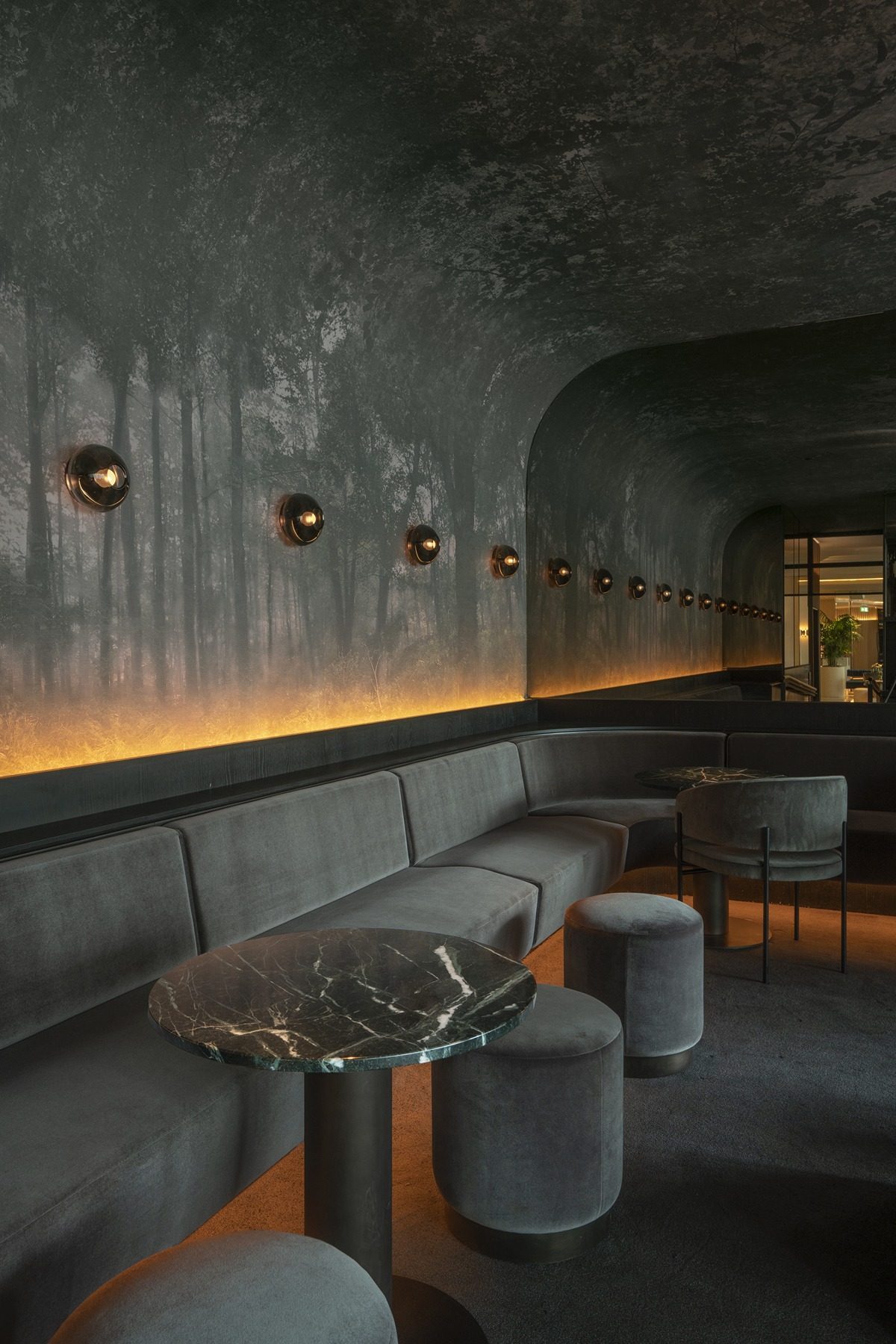 After obtaining an undergraduate degree in architecture, Perron did not continue to study for a master of architecture, as most people would choose, but tried to practice interior design with like-minded partners. Compared with grand buildings, he is more fascinated by design projects such as restaurants and bars. He said: “I personally think that restaurants, cafes, bars, etc. are very important to urban life, so I always think about what kind of new experience we can create for people who come to this area and improve their quality of life.” He is full of curiosity and constantly explores the various details of the interior space – lighting, furniture, layout, etc. – how to interact with people and trigger better human experience and memory. Recalling the time when he was a fledgling, Perron said with emotion: “The real social experience is the best school for me. I was very young at that time, and I started to participate in the design of some commercial spaces with my friends before I graduated. I I frequently go to construction sites, handicraft workshops, and building materials markets, because I must know how all the objects in the space we design are made from scratch. I hope that my designs can exist beyond time.” Atelier Zébulon Perron does not seem to think about the concept of shape and function and how to balance aesthetics and practicality that the modern and contemporary design circles have been keen to discuss, because in Perron’s eyes, the two must coexist and complement each other.
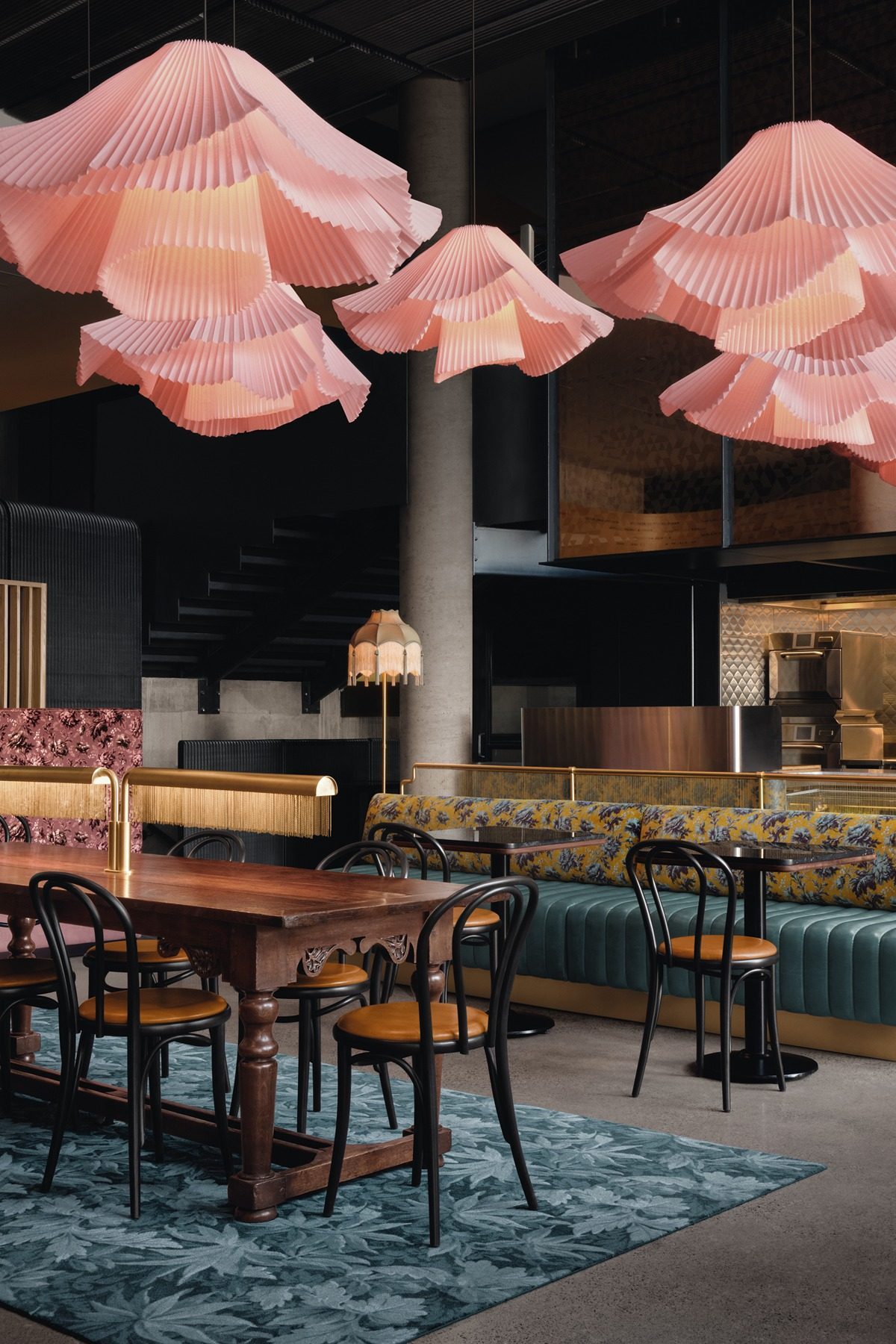
CAFE CONSTANCE
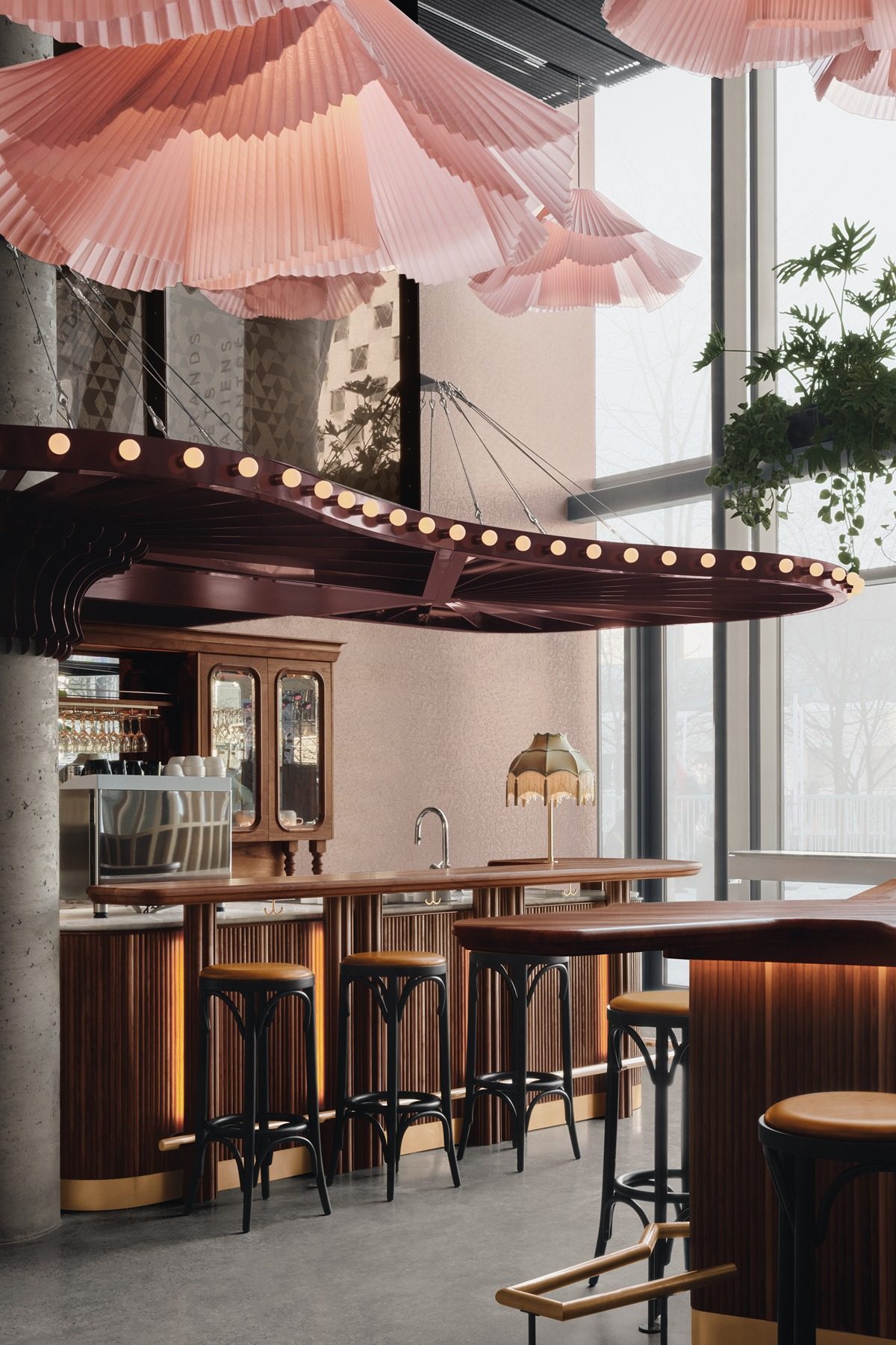
The beginning of any project is a reverie. Perron told us: “The definition of “good design” in my mind is a space that can bring people into another world. In the early stage of a design project, remuneration and time are not our first considerations, and the illusion of space is the most important thing. Yes. Whenever we visit the site of the project, I always close my eyes, feel the changes in my own mood, and imagine how people move, interact, and perceive details in this space. After all, all designs exist with people as the starting point. If the space can stimulate me to have a lot of crazy ideas at first, that would be great. After I have a vague and abstract imagination, I will consider practical issues. Of course, there will be many changes, but in the end, I may be able to retain the same It’s the most interesting place to practice some unconstrained ideas.” The design is more original because of the freedom. Of course, designers must also find a balance between whimsy and practical problems. Even if Atelier Zébulon Perron’s design philosophy sounds too romantic—it is envisioned to take people beyond time and space through space design and create the illusion of being in another place, Perron and the team will not forget to be down-to-earth and ensure that the space will not be separated from the location. . Perron jokingly said that the most challenging part of the design is actually persuading the client not to intervene too much in the construction process, “People should believe that every decision made by the designer is based on professional judgment, the curvature of the wall, the placement of furniture…everything is important. It’s about creating a coherent space.”
Interacting with passionate chefs and seeing how they work in the back kitchen always inspires Perron. And when he embarks on every journey, he will remind himself to pay attention to the subtle and fleeting beauty at every moment. These daily fragments are finally integrated into the design of Atelier Zébulon Perron. No one can keep a good moment, which is why Perron hopes to remind people to live in the moment, feel the truth and constantly seek beauty through timeless design.
