
)
In kitchens and bathrooms, countertops are often the most ubiquitous yet easily overlooked element. Cosentino has announced the launch of its new mineral-based panel brand, Éclos, marking a new path for countertop materials. With a high proportion of recycled materials and a layered design system, Éclos addresses long-standing industry concerns about safety, design, and sustainability.
New mineral panels designed for kitchens and bathrooms
Éclos is designed for kitchen and bathroom countertops, and one of its biggest features is the use of a new formula with zero-crystal silicon dioxide. Each color contains at least 50% recycled materials, and some even approach 90%, which is a very high percentage among similar materials. This shows Cosentino's investment in sustainability in recent years.
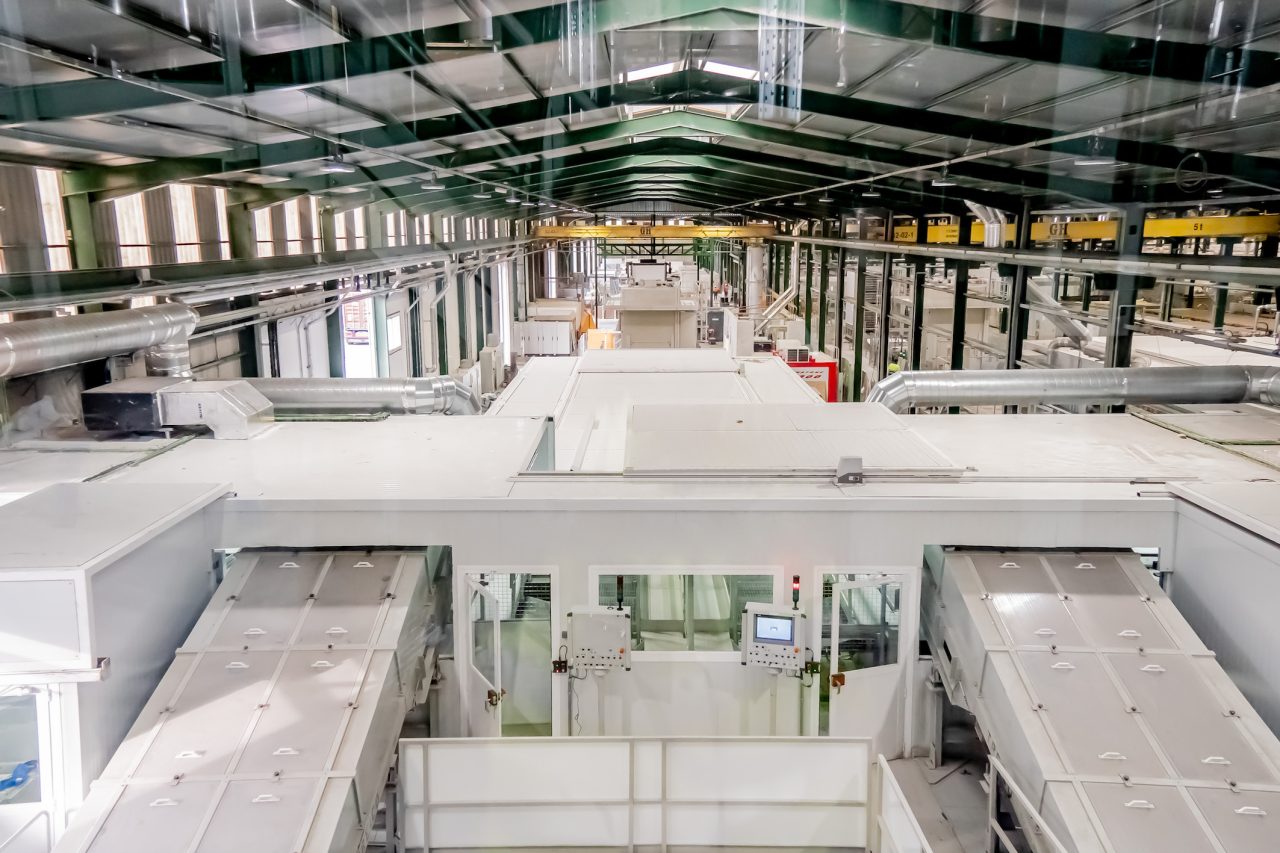
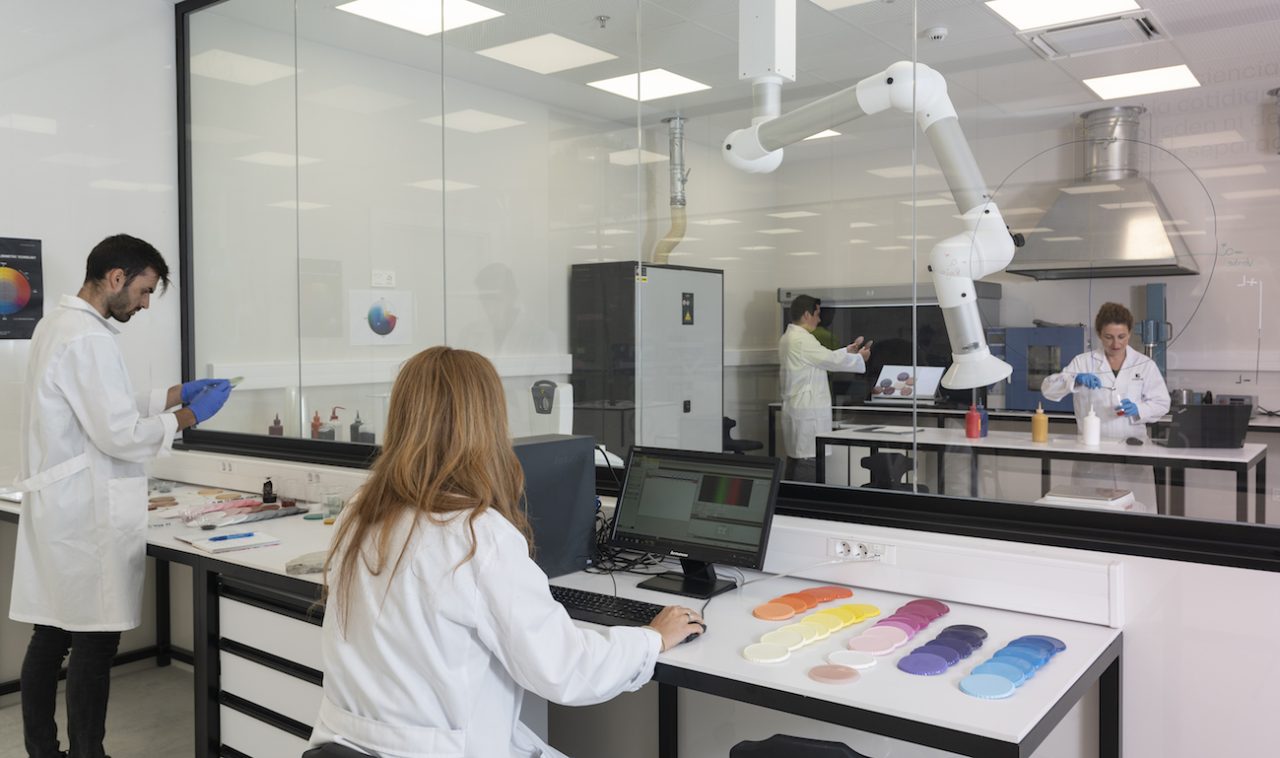
From a usability perspective, the new formula makes the boards more flexible and impact-resistant, making cutting, handling, and installation easier than ever before. For the average household, the more practical difference lies in its heat resistance. Éclos can withstand temperatures up to 220 degrees Celsius, and pots placed directly on it after being taken off the stove are less likely to leave marks. These designs are intended to handle real-world situations, ensuring the countertop is not just aesthetically pleasing but truly durable.
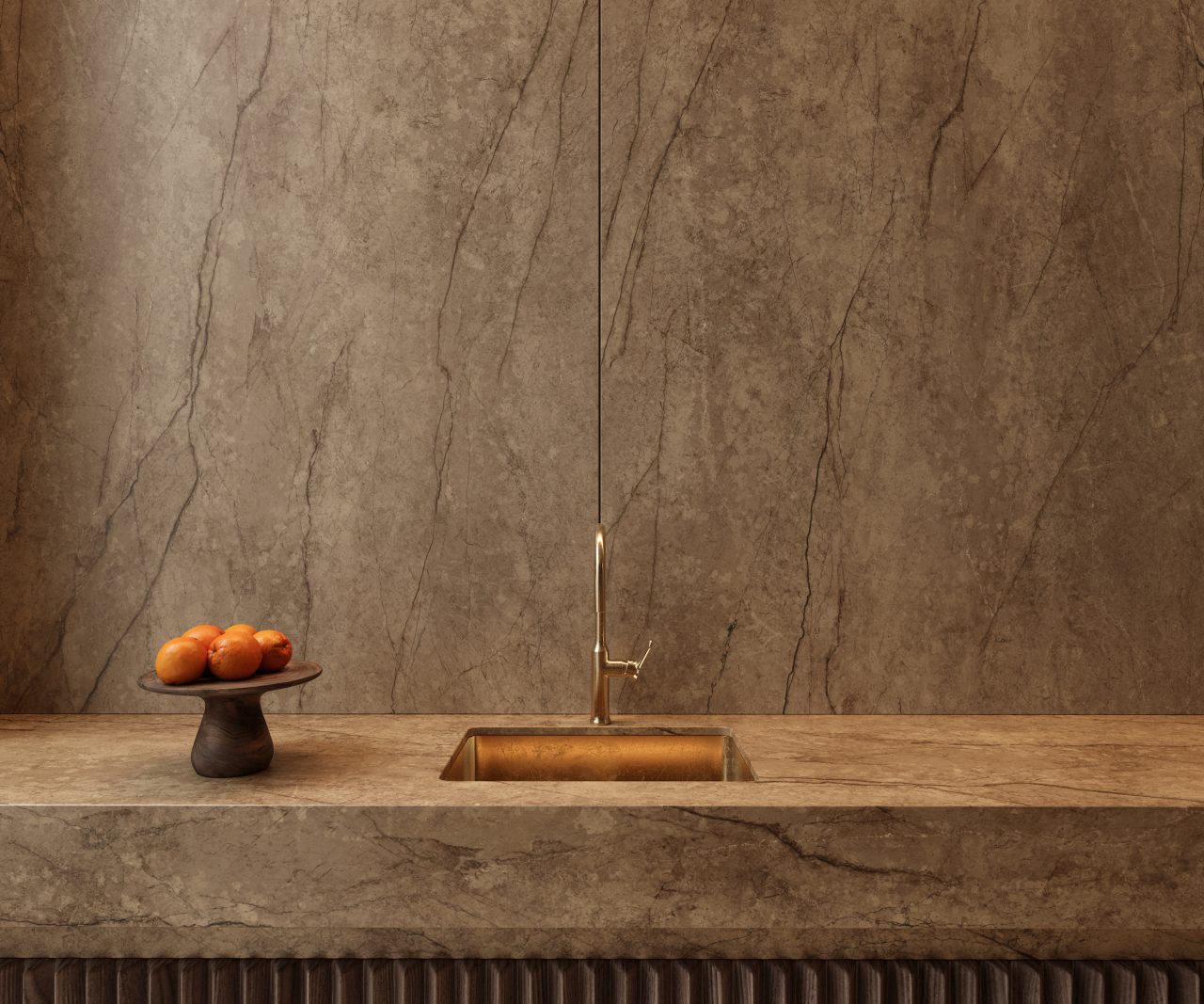
Technology is changing the way countertops are designed.
Another key feature of Éclos is Cosentino's proprietary Inlayr technology. This technology doesn't just apply patterns to the surface of the slab; it integrates the texture into the entire piece. This means the pattern continues not only on the front but also along the cut sides, creating a more natural look and avoiding the appearance of a surface veneer. This approach makes the overall texture closer to natural stone, with a more layered feel. When beveling, finishing edges, or creating special designs on the countertop, there's no need to worry about different colors or breaks showing on the cut surfaces; the overall visual consistency is better. While the average consumer might not immediately notice these technical details, in the long run, these changes will influence how people use their kitchen and bathroom countertops daily.
In kitchens and bathrooms, countertops are often the most ubiquitous yet easily overlooked element. Cosentino has announced the launch of its new mineral-based panel brand, Éclos, marking a new chapter in countertop materials. With a high proportion of recycled materials and a layered design system, Éclos addresses long-standing industry concerns about safety, design, and sustainability. Designed specifically for kitchen and bathroom countertops, Éclos features a new formula using zero-crystallinity silica. Each color contains at least 50% recycled materials, with some approaching 90%, a remarkably high percentage compared to similar materials, demonstrating Cosentino's commitment to sustainability in recent years. From a usability perspective, the new formula makes the panels more flexible and impact-resistant, making cutting, handling, and installation easier than ever. For the average household, the most practical difference lies in its heat resistance. Éclos can withstand temperatures up to 220 degrees Celsius, and pots placed directly on it after being taken off the stove are unlikely to leave marks. These designs are intended to handle real-world situations, making the countertop not just aesthetically pleasing but truly durable. Another key aspect of Éclos's technological revolution in countertop design is Cosentino's proprietary Inlayr technology. This technology doesn't just apply patterns to the surface; it integrates the texture into the entire slab. This means the pattern continues not only on the front but also along the sides, creating a more natural look and avoiding the appearance of a surface veneer. This approach makes the overall texture closer to natural stone, with a more layered feel. When creating bevels, edges, or special shapes, there's no need to worry about different colors or breaks in the cut surfaces; the overall visual consistency is better. While the average consumer may not immediately notice these technical details, in the long run, these changes will influence how people use their kitchen and bathroom countertops daily. …
