
The biting cold and days of heavy snow did nothing to dampen Toronto's design scene. This year's Interior Design Show Toronto returned to the Metro Toronto Convention Centre, attracting thousands of designers, architects, brand representatives, and students over four consecutive days. This year's exhibition deliberately transformed the entire space into an experimental arena, prompting visitors to consider how work, furniture, and light are changing our lifestyles.
 Space curation that transforms exhibition space into laboratory
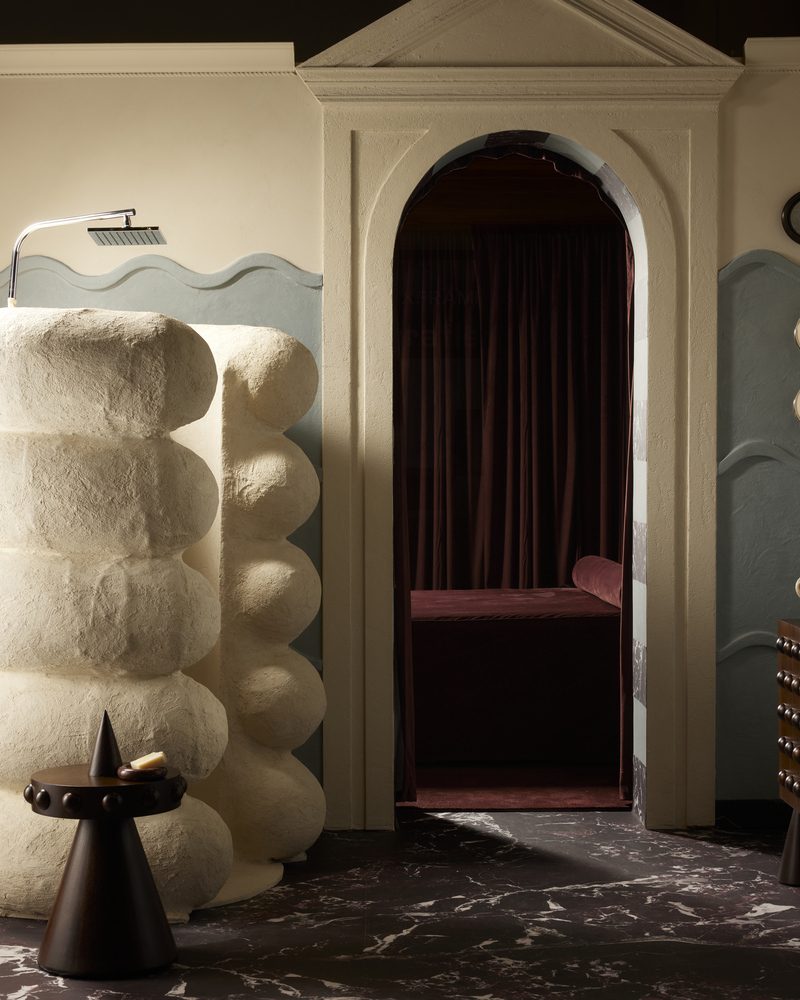
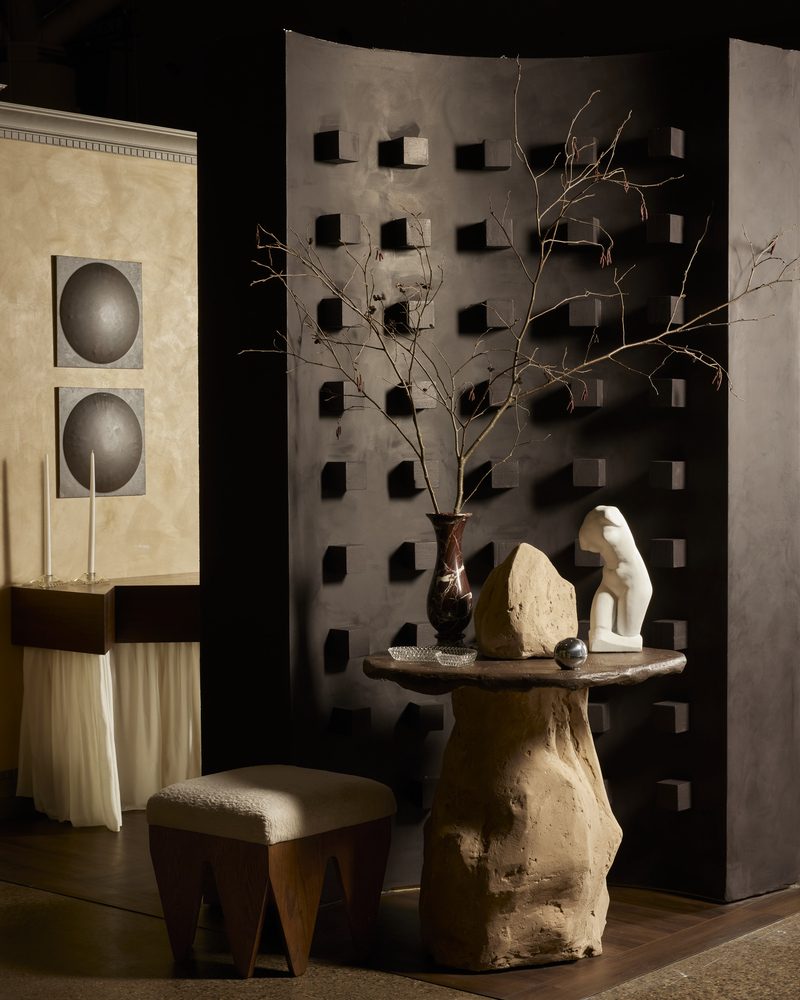
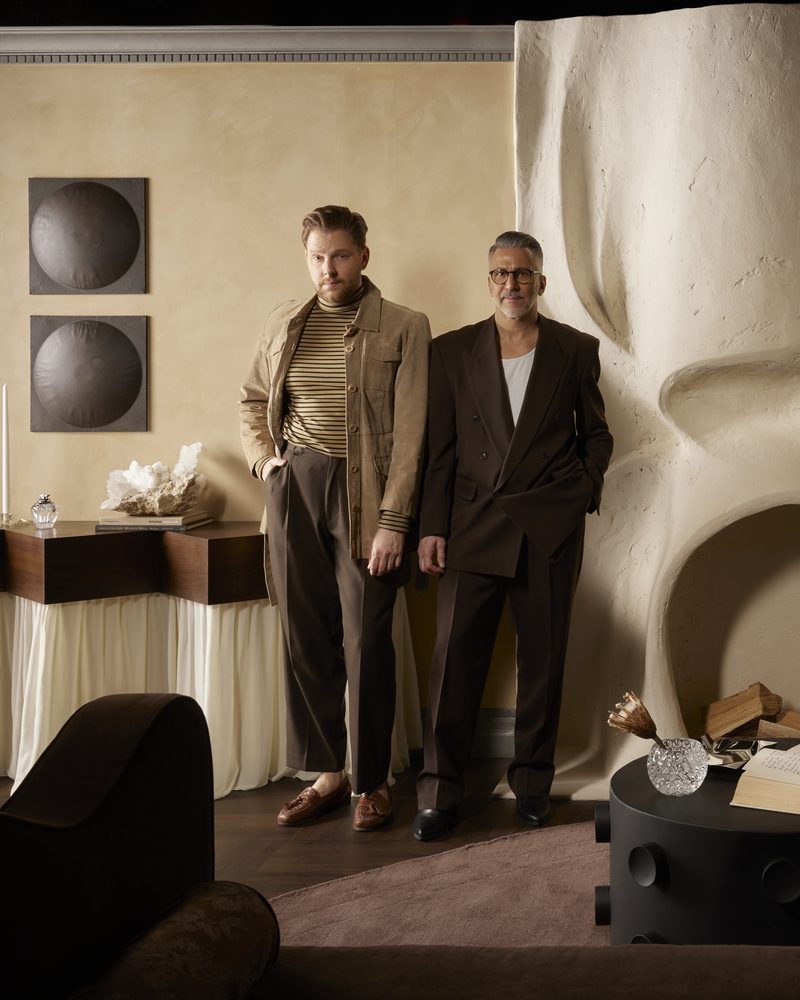
This year, IDS curated its exhibition layout around three main themes: How We Work, Furniture Forecast, and ILLUMINATE. The curatorial approach departed from traditional product displays, instead guiding visitors into a series of pre-designed scenarios. From work environments where the lines between office and home are increasingly blurred, to discussions on furniture durability and the environmental responsibility of materials, and an installation area that views light as an architectural element itself, each area stimulated visitors' reflections.
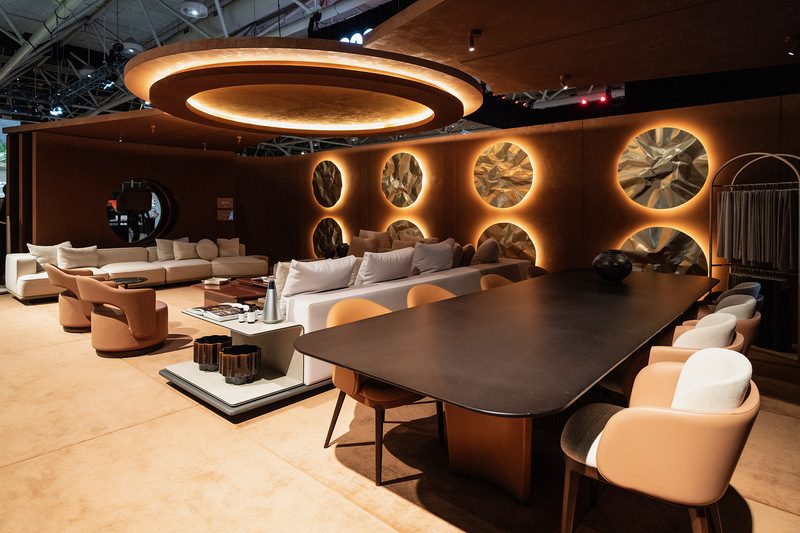
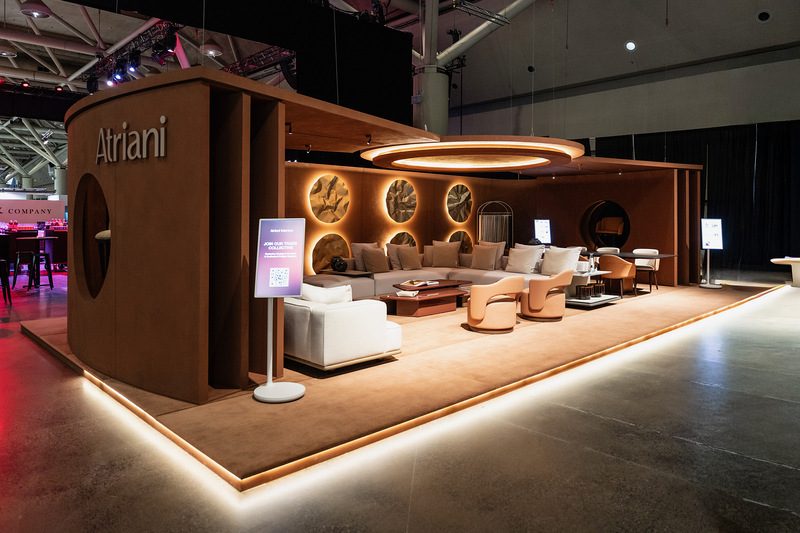
The keynote speeches continued this atmosphere of discussion. Designers Yves Béhar, Eames Demetrios, and Tatiana Bilbao discussed how design influences daily life from the perspectives of design and technology, cultural memory, and architectural practice. Will Sorrell, National Director of IDS Canada, stated that the aim was to bring design back to a state of ongoing activity, rather than simply presenting static exhibits. Even with heavy snow falling outside, the crowd and the level of discussion inside remained high.
Award-winning booths and highlights of next-generation design
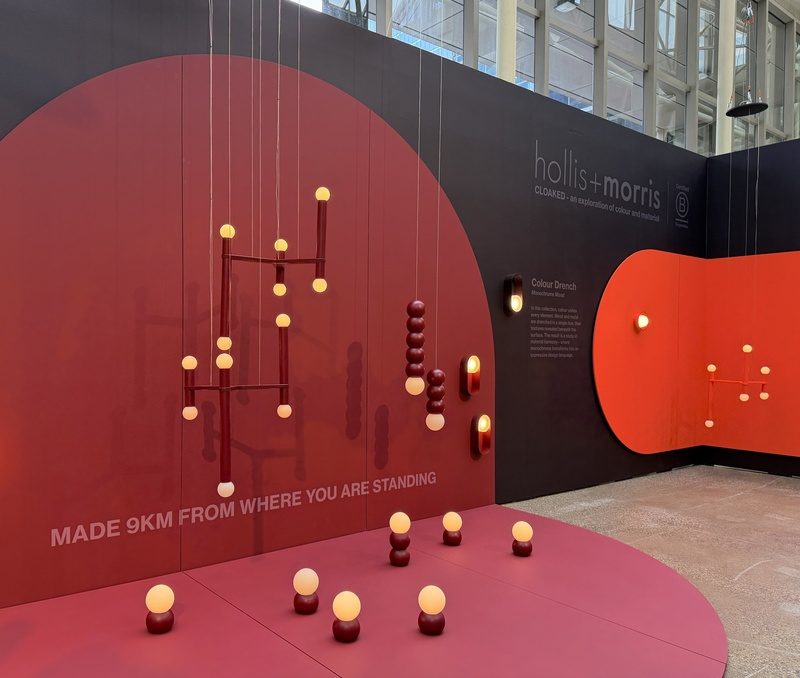
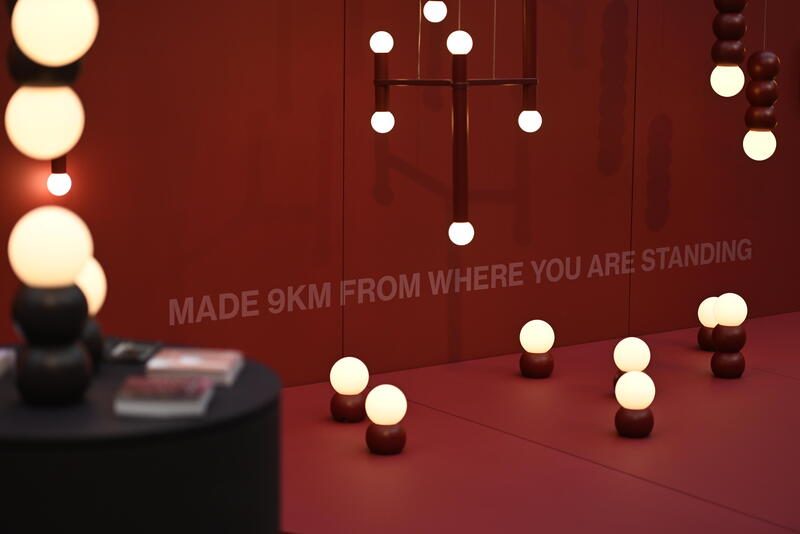
This year's Booth Awards judging was no easy task. Hollis+Morris's Colour Drench, designed in a vibrant red, won the Judges' Choice. Coolican & Company took home the Sustainability Award, while Legacy North and Baril Design won awards in their respective booth sizes. San Marco's booth, designed by Bettencourt Manor, also won the Gold Award in the 201-499 square foot category. Montauk Sofa emerged victorious in the large booth category.
Studio North and the Prototype area focused on emerging creators. Daniel Roe and Peak Woodworking received Juror's Choice awards. The judges also gave special commendation to Shu Wang and Kari Serrao. Among the exhibits, William Goo, founder of Estudio Goo, created a Scaffold Dresser Table from unpainted cherry and maple wood, preserving the wood's original texture. Imajin presented a Unit 8x8x8 light sculpture, with 512 luminous units capable of presenting static or dynamic light installations.
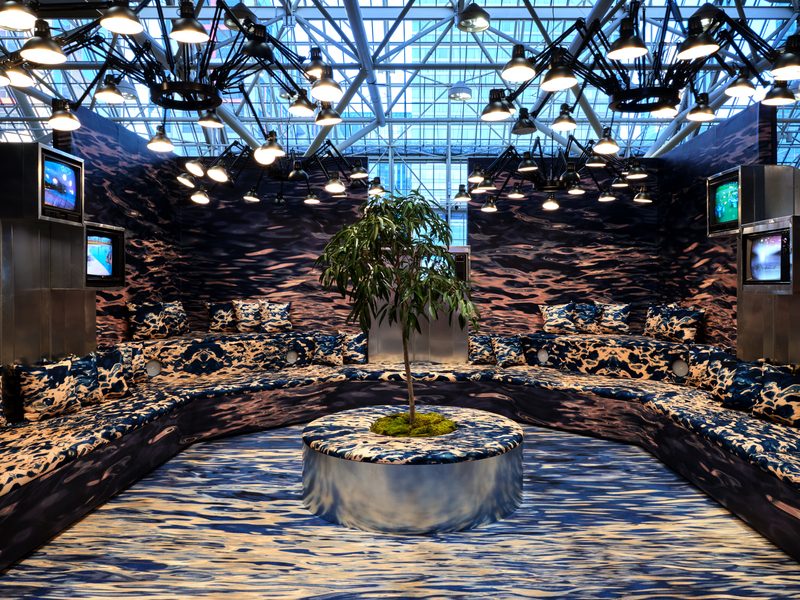
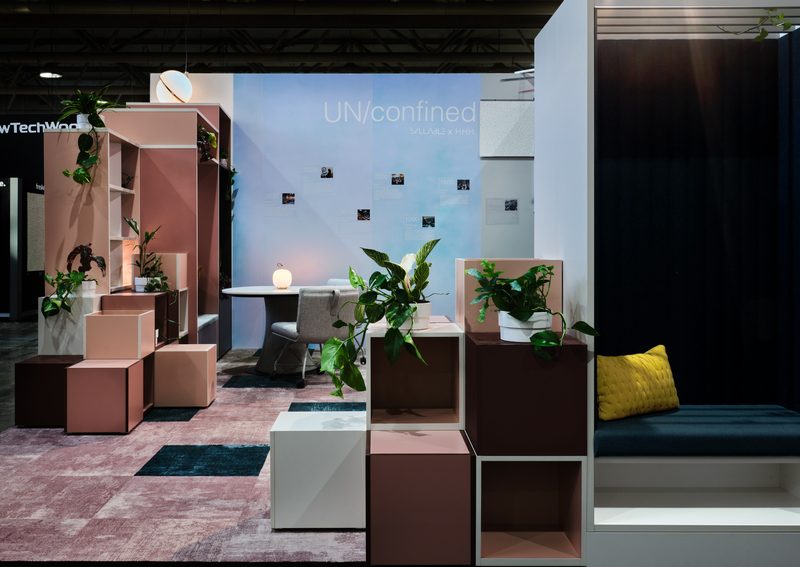
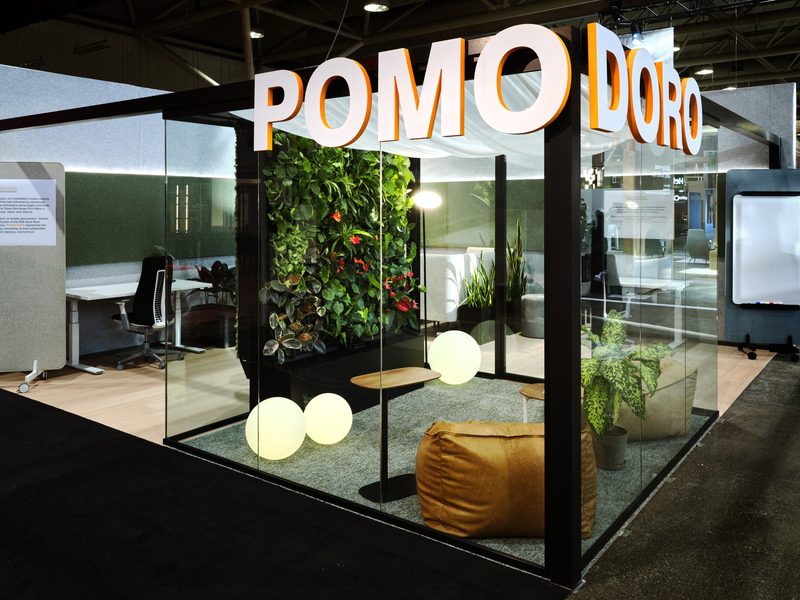
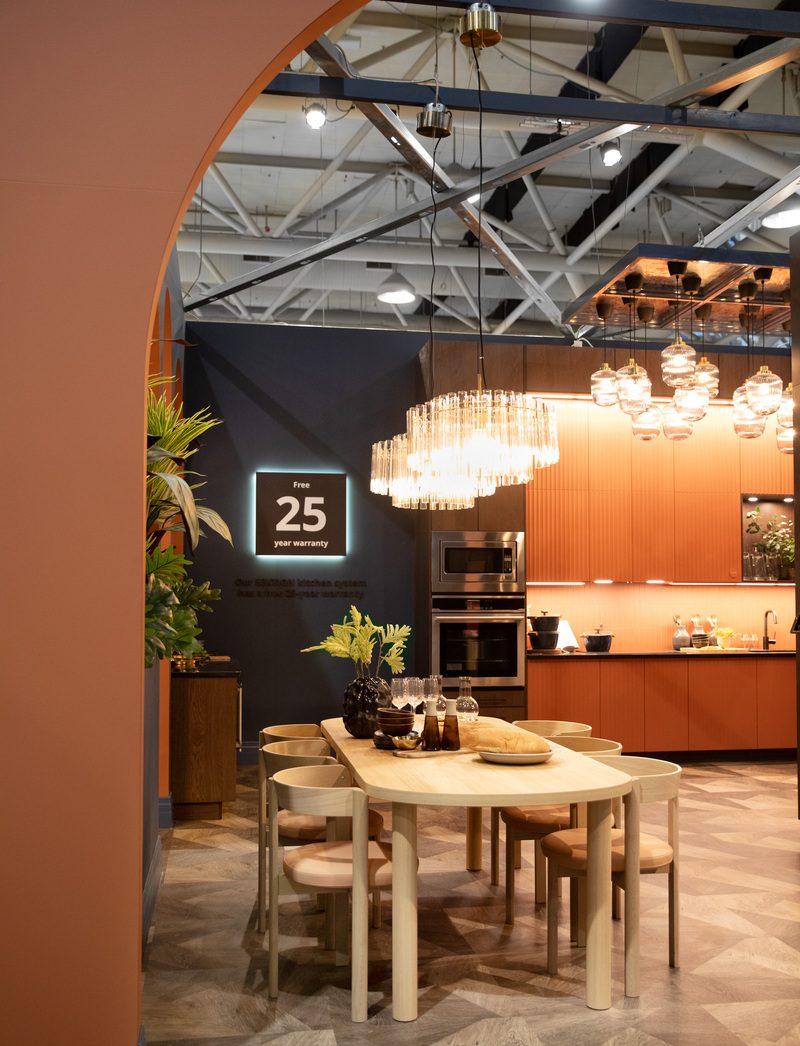
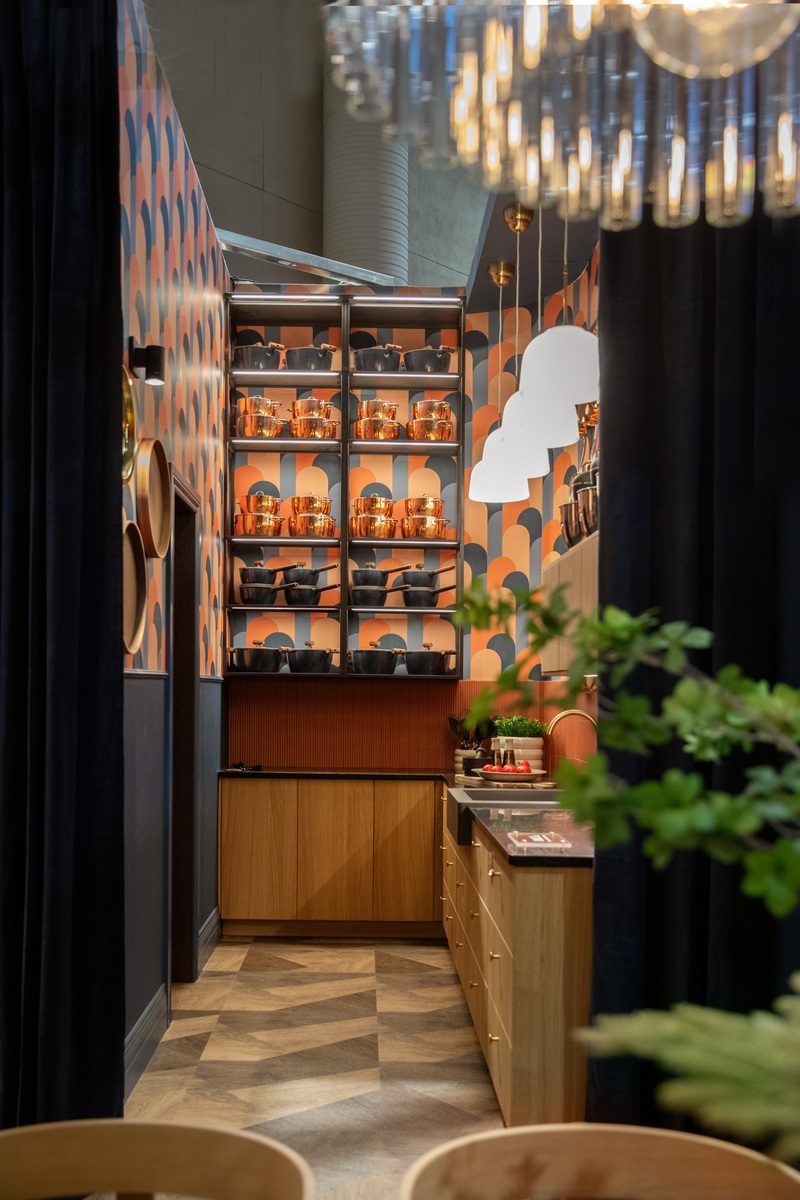 Each brand booth had its own unique character. Toronto-based Anatolia showcased sintered ceramic tiles, some reaching 63 by 126 inches, with a texture resembling natural marble and granite, almost indistinguishable from the real thing. Winnipeg-based Hush Acoustics drew inspiration from Japanese architecture, combining it with PET sound-absorbing material made from recycled plastic bottles. Becky Wright and Kelsey MacDermaid, founders of The Sorry Girls, created a distinctive digital brand booth for Home DeCoors. Sherwin-Williams Paints focused on soft, misty tones and neutral earth tones, showcasing recent color trends.
The biting cold and days of heavy snow couldn't dampen Toronto's design scene. This year's Interior Design Show Toronto (IDS) returned to the Metro Toronto Convention Centre, attracting thousands of designers, architects, brand representatives, and students over four days. This year's exhibition deliberately transformed the space into an experimental environment, prompting visitors to consider how work, furniture, and light can change our lifestyles. The exhibition space, now a laboratory, was curated this year with three main themes guiding the flow of visitors, including… (
