
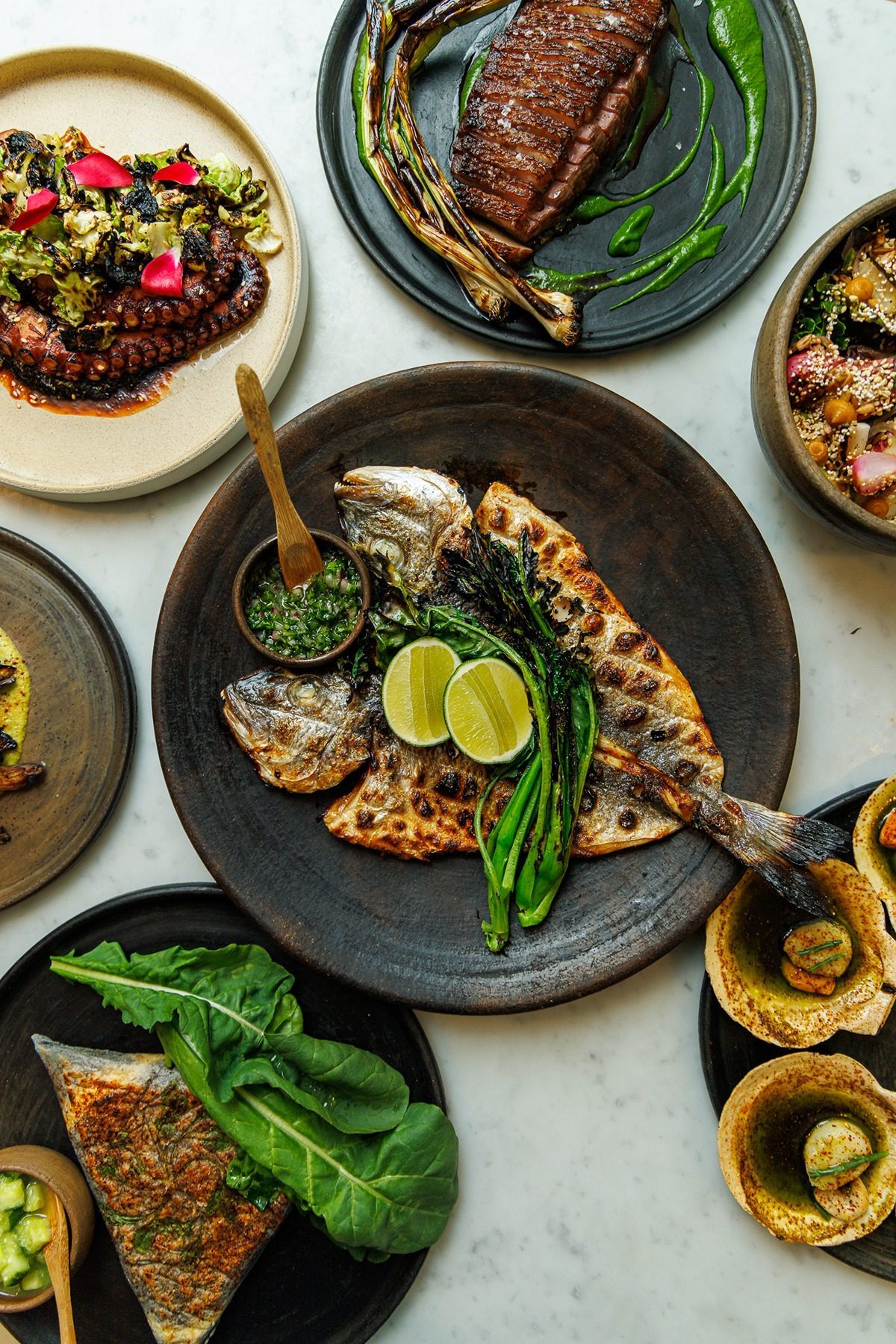
Quetzal, a low-key high-end restaurant at the intersection of College and Bathurst in Toronto, is based on classic Mexican cuisine, cleverly combining local ingredients and techniques to create amazing and unique dishes. Even if the restaurant's facade is not eye-catching, its open interior layout and a representative 28-foot open fire oven, sword-style food, and a warm and unique dining atmosphere have made Quetzal the most popular restaurant in Toronto in recent years. One of the hard to find restaurants. The bar seats facing the open fire oven give diners a fun and immersive experience. Fresh ingredients are grilled over an open fire, and the air is instantly filled with the unrestrained smell of Mexican spices, which stimulates the appetite. Such a dining experience that combines pyrotechnics and high-end cuisine is rare in Toronto.
The current head chef of the restaurant, Steven Molnar, has studied at the top culinary school Institute Paul Bocuse in Lyon, France, and has also gained rich cooking experience in many high-end restaurants around the world. He joined Quetzal in 2020 as the head chef. In 2022, Quetzal will be honored with a Michelin star restaurant. "Supreme" has a sincere interview with Chef Steven Molnar of Quetzal. He shared his culinary philosophy, his views on Toronto's catering industry, and more generously shared his secrets of cooking restaurant-level food at home.
 Supreme: How did you discover your passion for cooking and turn it into a career?
Molnar: I discovered my passion for cooking at a very young age. One of my earliest food memories is of preparing meals for my family in the kitchen with my Hungarian grandma. Her love and attention to food inspires me, and I will never forget how content and happy she looks when we eat her food, which is one of the reasons I want to share my culinary art with others. I worked hard to find the best restaurants and chefs to learn from and turn my initial passion for cooking into a career. After studying at the Institute Paul Bocuse in Lyon, I was deeply inspired and determined to continue laying the foundation of French cuisine, which also led me to work for six years in Toqué!, a restaurant in Montreal that was regarded as the number one restaurant in the country.
Supreme: You have worked in well-known restaurants such as Toqué!, Bar Isabel, and Bar Ravel. How have these experiences affected you today?
Molnar: Past experiences, good and bad, have shaped who I am today. First of all, these past experiences taught me cooking related skills. But I think more than that, I learned how to manage and be a good leader. As Quetzal's Executive Chef, I not only design the menu, but also develop the staff and develop a good relationship with them.
Zhizun: What do you think are the strengths and areas for improvement in Toronto's catering industry?
Molnar: The biggest advantage of Toronto's catering industry is diversity. People can experience a variety of different cuisines. Few cities in the world can match Toronto's level of multiculturalism. The biggest shortcoming of Toronto's catering industry is the excessive attention and pursuit of trends; I think it is important to understand trends, but one should not just follow and imitate others.
Supreme: How would you describe your cooking philosophy?
Molnar: Focus on ingredients, sourcing and using the highest quality ingredients possible. I believe that once top quality ingredients are used, it doesn't take much work to bring out the flavors of the ingredients. The natural flavor of food will always inspire me. The original taste of ingredients combined with simple cooking methods and simplified presentation can make the ingredients shine and convey their own stories to diners through taste.
Supreme: In the past five years, what has been the biggest change in the fine dining industry?
Molnar: I think it's the way employees are treated and paid. Low pay and long hours have been the norm for chefs and kitchen staff, and until recently, we've begun to see positive changes in this regard. Calculated daily wages, no tips, and no benefits have always been the standard labor model in the kitchen. Young chefs like me are trying to change and advocate for a more equitable salary structure. A growing number of kitchen workers are now earning more than a living wage, with comprehensive benefits, generous weekly tips, company perks, and more. These measures have all resulted in huge positive changes in terms of fairness, employee retention, employee morale, and the overall environment.
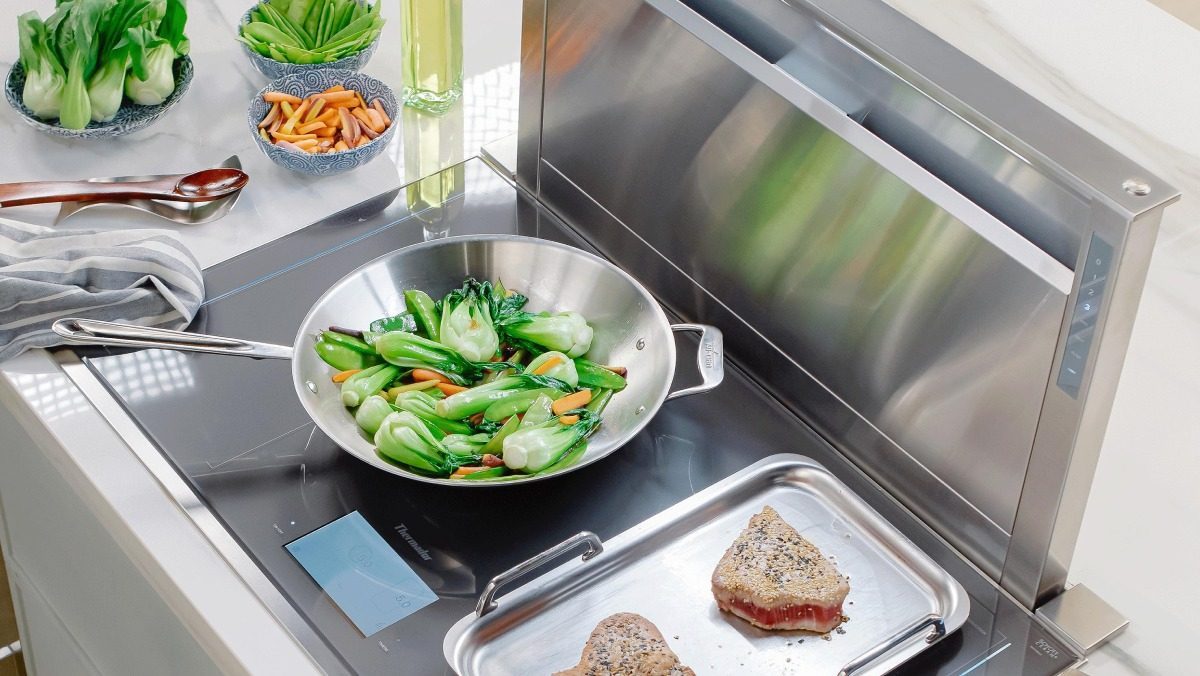
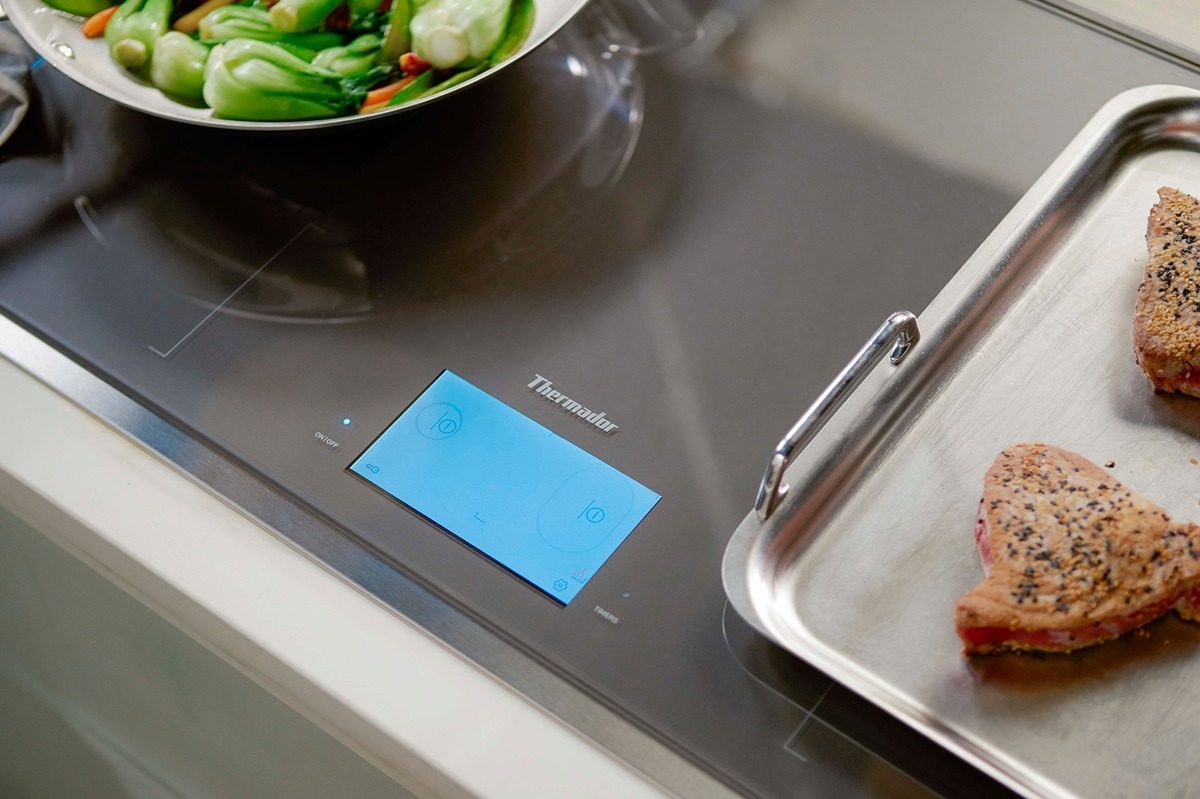
Supreme: How do you think home kitchen appliances can help people cook restaurant-quality food at home?
Molnar: Thanks to advanced technology in home kitchen appliances, some of the uncertainty in cooking can be removed, which can help people with no formal training to cook restaurant-quality food at home. For example, the zone-free cooking technology in Thermador Freedom Induction Cooktop, this feature allows you to move the pot freely while cooking, making the cooking space more flexible. A second example is a wireless cooking sensor that can be set to a specific temperature so you don't have to worry about what temperature to cook your food at, or how you should adjust the settings.
Zhizun: When choosing household kitchen appliances, what details should people pay special attention to?
Molnar: The first is function. Kitchenware should provide multiple functions, allow people to cook more freely, and use technology to help create delicious meals. Take Thermador's Home Connect, an app that lets you control appliances remotely and adjust them to your liking. The second characteristic is durability; kitchenware is often a big expense and you want the equipment you are buying to be high quality and stand the test of time. The last thing I would pay attention to is design, kitchenware can be a beautiful addition to your home if it matches your personal style, not just a functional appliance.
