
)
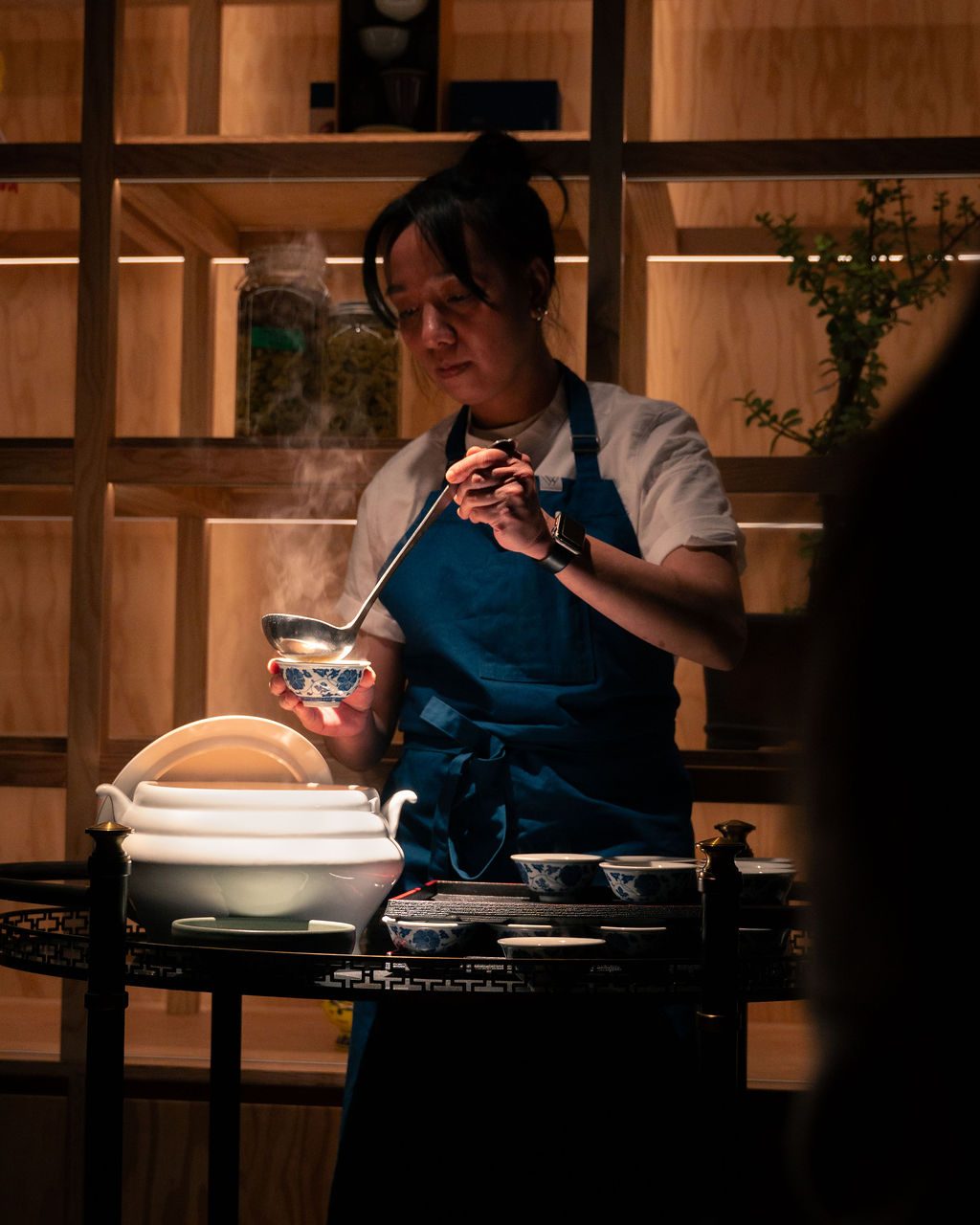
The "Light Gathering in the Yuàn" immersive dinner, co-curated by Mason Studio and VYVYD Lighting, marked the first public opening of the experimental space The Light Room. Collaborating with Yan Dining Room's chef Eva Chin, the event connected light, space, and contemporary Chinese hospitality culture. Inspired by the traditional Chinese courtyard house, VYVYD Lighting orchestrated a layered lighting rhythm, Mason Studio controlled the overall flow and atmosphere, and Eva Chin reinterpreted the Chinese-style raw food bar from a modern perspective. *Supreme* magazine interviewed Stanley Sun, founder of Mason Studio, to gain a deeper understanding of the story and inspiration behind the event.
What was the initial impetus that launched the "Light Gathers in the Heart" project? Was there a specific moment, memory, or reference that allowed this idea to truly begin to take shape?
The idea behind Guangjuyuan (光聚院心) actually stemmed from our observations of the current state of public dialogue. In recent years, many discussions have become fragmented and disjointed, making it increasingly difficult to truly achieve understanding and empathy across different cultures. Rather than feeling defensive or retreating from this situation, we want to return to what we believe in: that through shared experiences, people can have the opportunity to see each other's differences and build connections within them.
The project originated from several conversations we had with Chef Eva Chin. Her discussions about culture, cuisine, and hospitality resonated deeply with our design thinking. Around the same time, we were also developing The Light Room, hoping to test whether using only light, rather than abundant materials, could fundamentally transform the feel of a space. Ultimately, these two ideas naturally converged, resulting in a work that draws inspiration from Chinese culture and uses light as its primary architectural language.
Why choose "courtyard," or traditional Chinese courtyard, as the core concept and space of the entire experience?
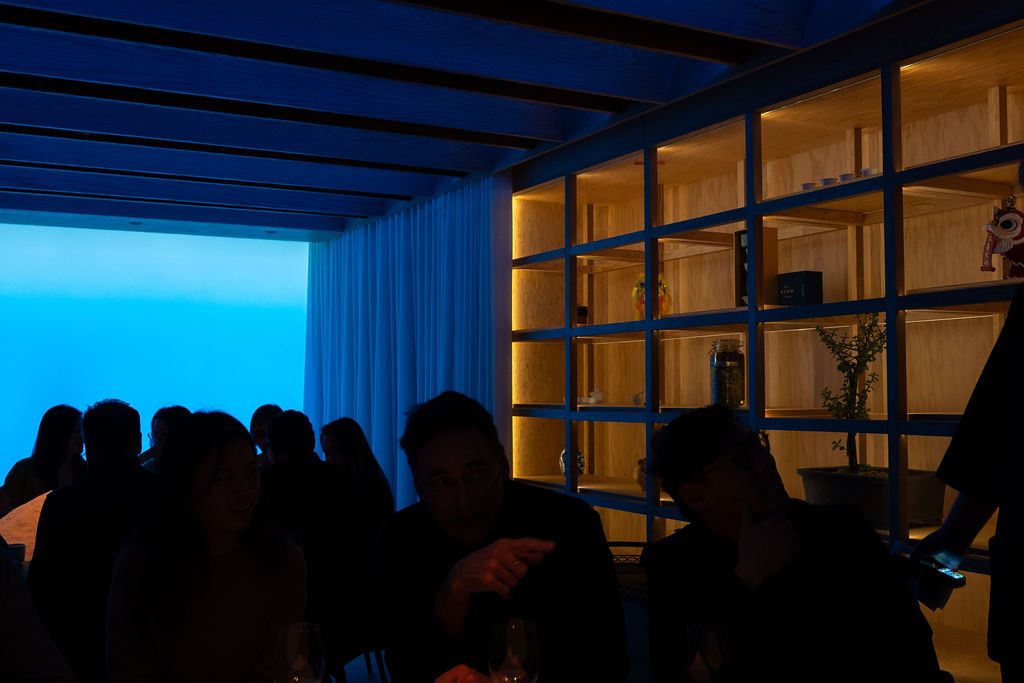
In traditional Chinese residences, the courtyard has always been a very important space, the place where daily life truly takes place. We hope to create an environment that is familiar to many people, yet clearly rooted in a specific cultural context. For us, the key is to transform that feeling of being surrounded by nature, with the sky above, and the natural attraction that draws people together, into an indoor experience that allows new memories to unfold, rather than simply replicating past forms.
This work also serves as the prelude to The Light Room, an experimental design space. What are your long-term visions for this space? And how does this first piece set the direction for the future?
For us, The Light Room has always been a place for experimentation, a place to continuously test and learn, and we're happy to let outsiders come in and experience it together. We hope everyone can personally experience how light affects emotions and behavior, rather than just discussing it on paper or in theory. This work directly reflects our thoughts. We're more concerned with using restrained methods to create powerful spaces, rather than constantly adding things on top of each other. Design is an exploratory process for us, and "Light Gathers in the Heart of the Courtyard" perfectly sets the tone for our future direction.
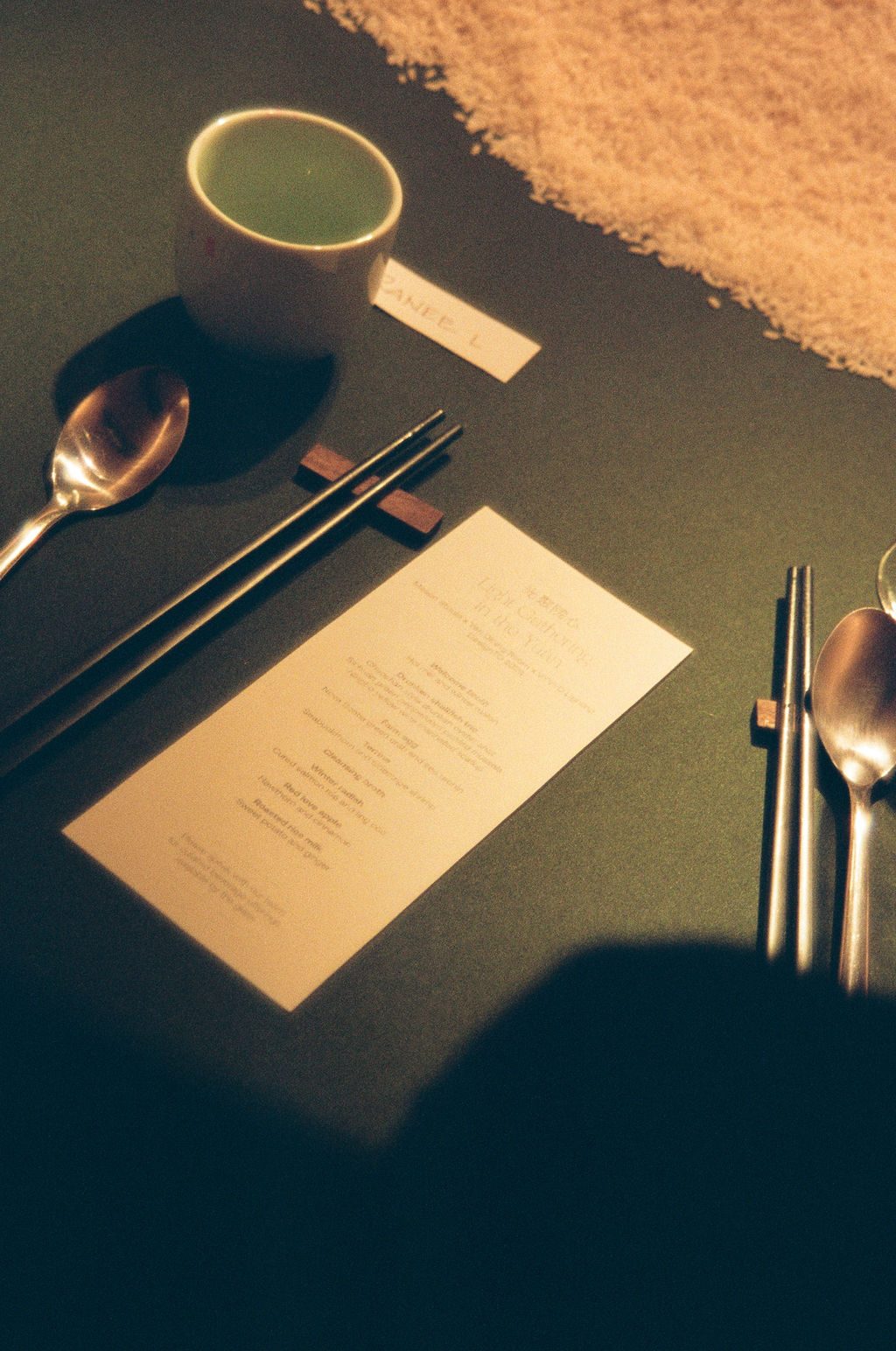
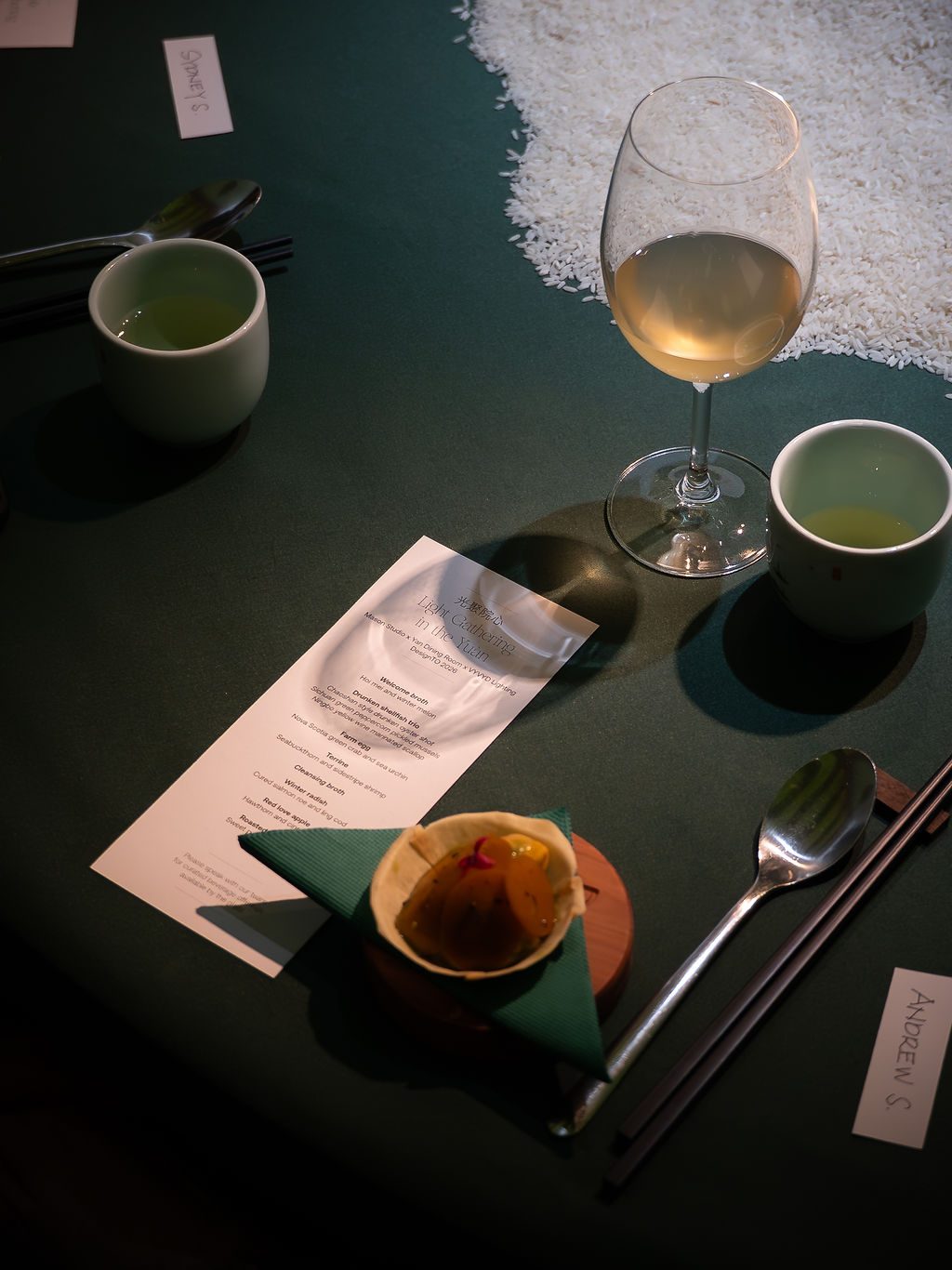
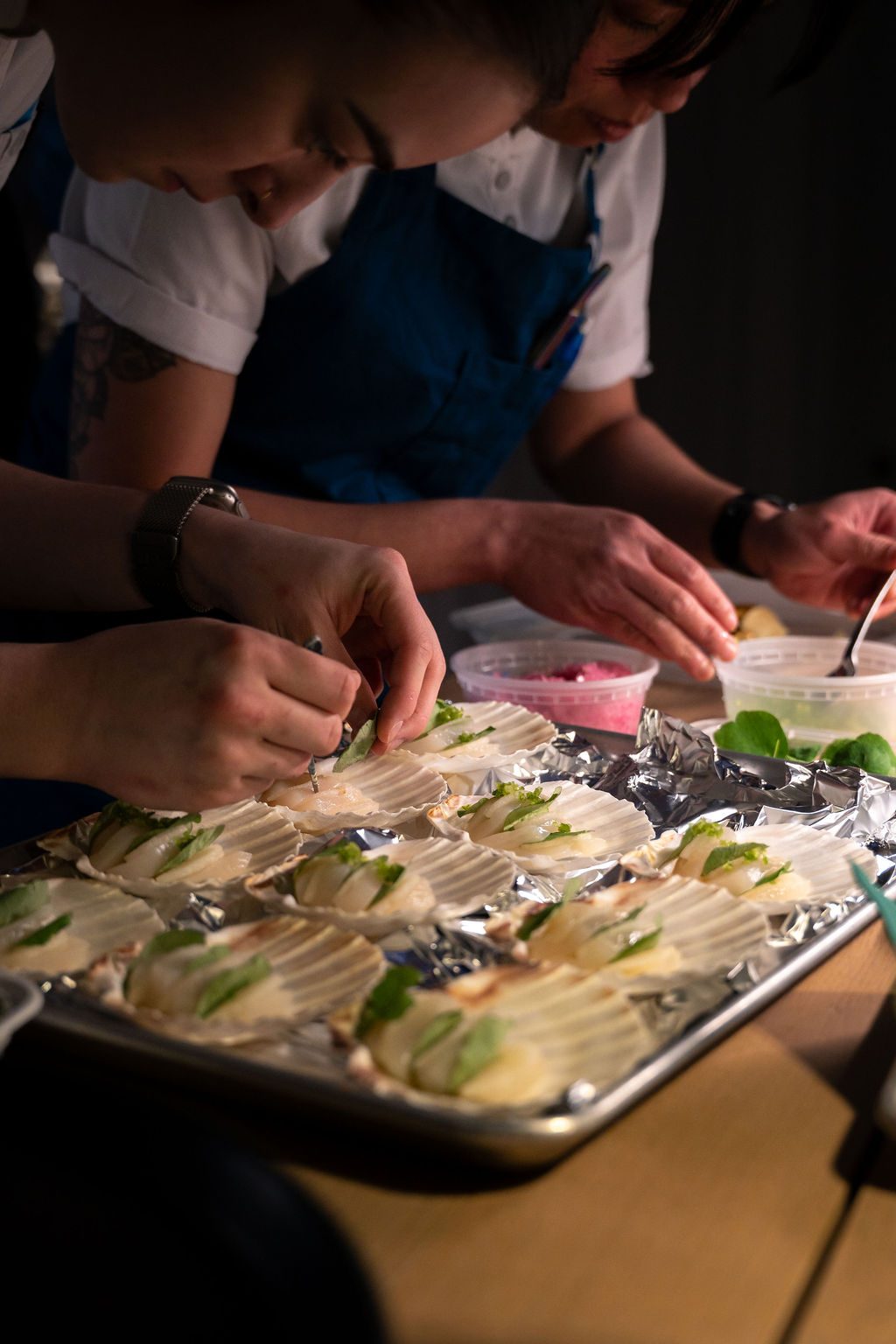
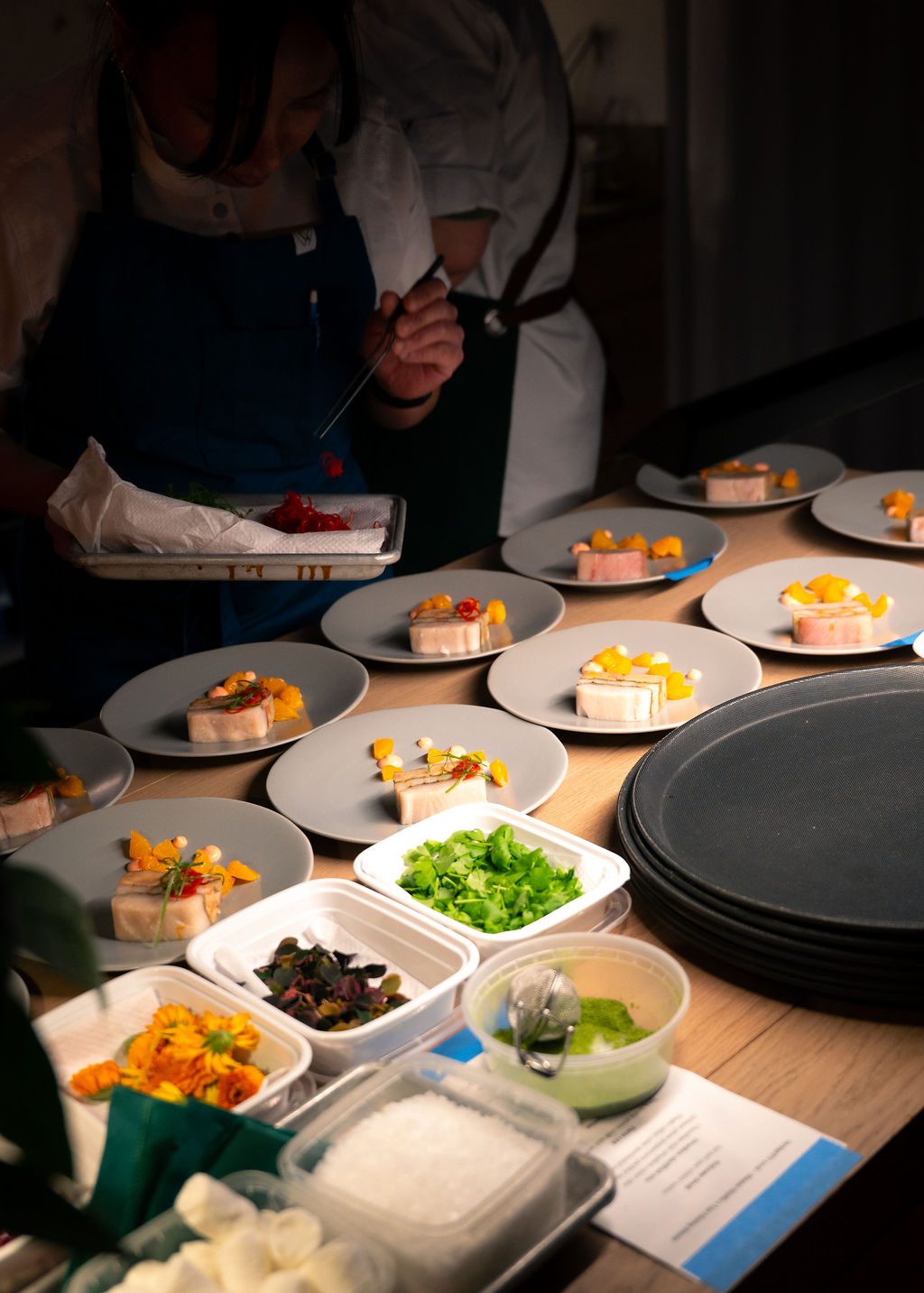
With "gathering" as its core concept, how did this theme influence the spatial design and emotional intent?
The Light Room was conceived from the outset as a space for continuous experimentation and learning, open to the public. We hope that not only designers and architects, but more people, can personally experience how light influences emotions, behavior, and the feeling of space, rather than just engaging in theoretical discussions. This first project clearly expresses our attitude. We prioritize creating powerful spaces through restraint, rather than relying on piling up materials or effects. For us, design is a continuous process of questioning and exploration. "Light Gathering at the Heart of the Courtyard" sets the direction for our future projects: rooted in culture, emphasizing emotion, and always prioritizing experience.
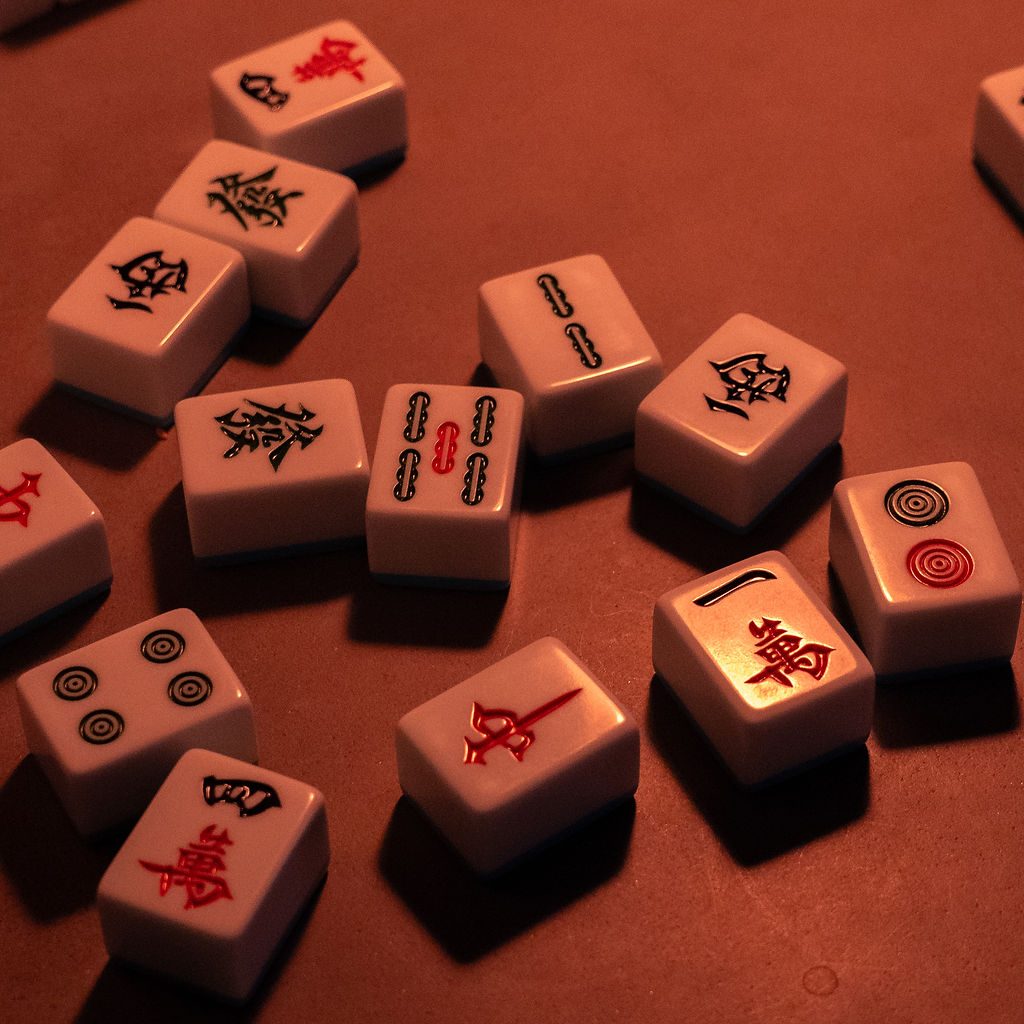


"Institute" is a symbol with deep cultural roots. How do you interpret it in the contemporary Canadian context, and how do you view the responsibility of translating its meaning through design?
Even within the Chinese community, the understanding of "courtyard" varies greatly. This reminded us throughout the creative process that we shouldn't pretend to represent a single interpretation. Rather than trying to present the entire culture, we chose to start from our own experiences. For me, this work stems more from scattered memories and emotional connections to certain architectural elements, such as the simple lines of roof tiles, or the sense of security brought by an outdoor space that is surrounded on all sides yet open to the sky. This project actually reflects my experience of Chinese culture, which has gradually shaped me within the context of my life in Canada. Treating the work as a personal perspective, rather than an authoritative discourse, allows us to focus more on authenticity, rather than bearing the pressure of representing anyone.
How do you create a work that is forward-thinking and still meaningful to contemporary audiences while respecting tradition?
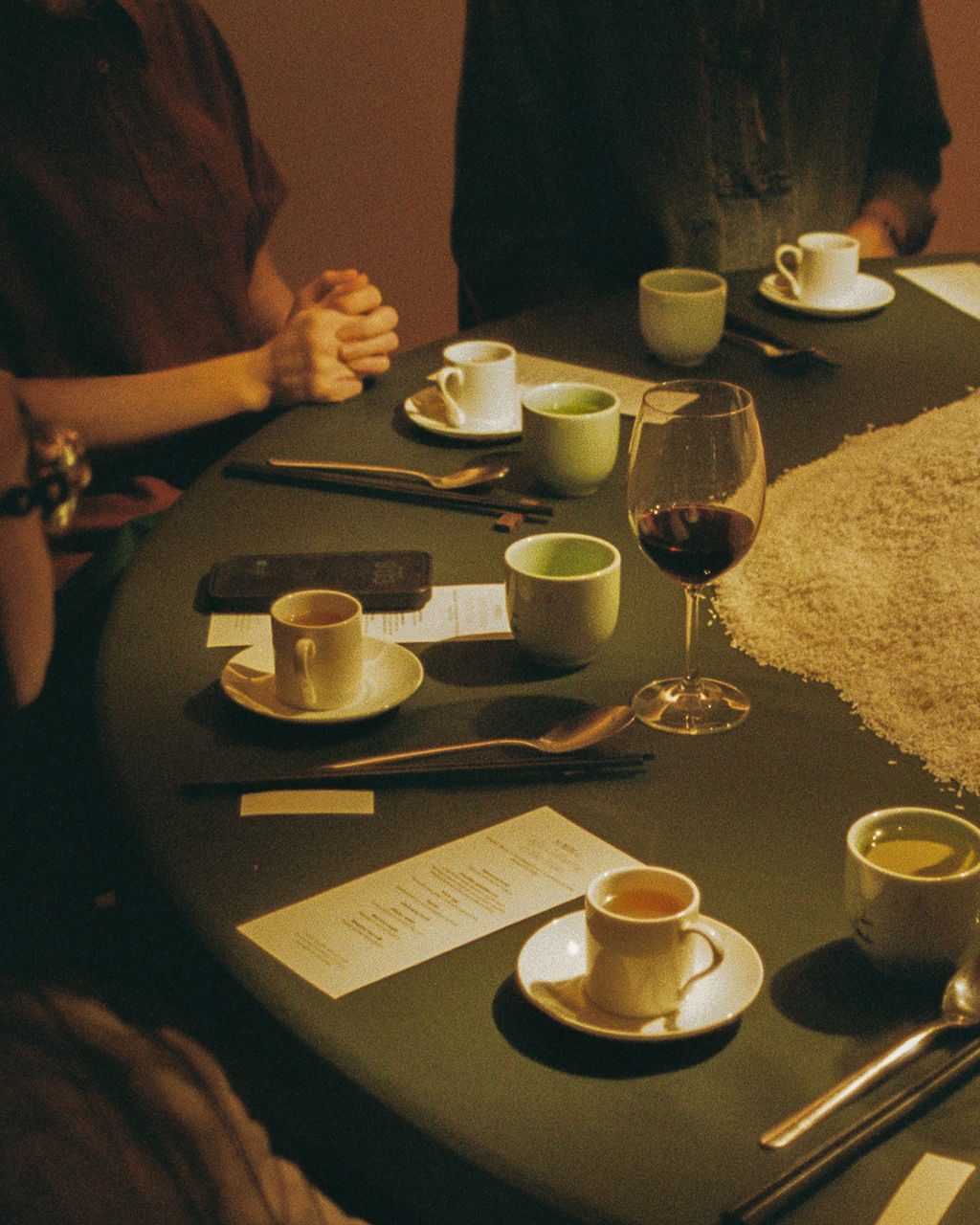
We didn't intend to replicate any established form, but rather to capture the truly important values within tradition, such as hospitality, generosity, and the sense of ritual and way of welcoming others. These experiences transcend culture and time; whether it's serving tea at the door or sitting together for a meal, similar scenes exist in many cultures. We hope to prioritize these shared feelings while preserving their original cultural details, so that the work can be understood by a wider audience without being simplified.

What are some characteristics of Chinese hospitality that you particularly hope to convey through space, light, and rituals, rather than language?
The most important thing about hospitality is making people feel good, not explaining things. From the moment guests step into the space, they are gradually enveloped by warm lighting, soft brightness, and thoughtful details, making them feel like they have entered a place where people live, not an exhibition to be viewed. These feelings don't need to be explained; they naturally convey a sense of being well-received and welcomed.
How does the collaboration with Chef Eva Chin affect the overall spatial rhythm and sensory design?
Eva has very vivid memories of food and culture, while we focused more on how the space is perceived, such as light, scale, and how people move around within it. We talked a lot about the experiences of the Chinese diaspora and how culture is constantly evolving. These discussions later became very specific design choices that directly influenced the rhythm and mood of the space that evening.
How does the light change throughout the night? What kind of emotional rhythm do you hope to create?
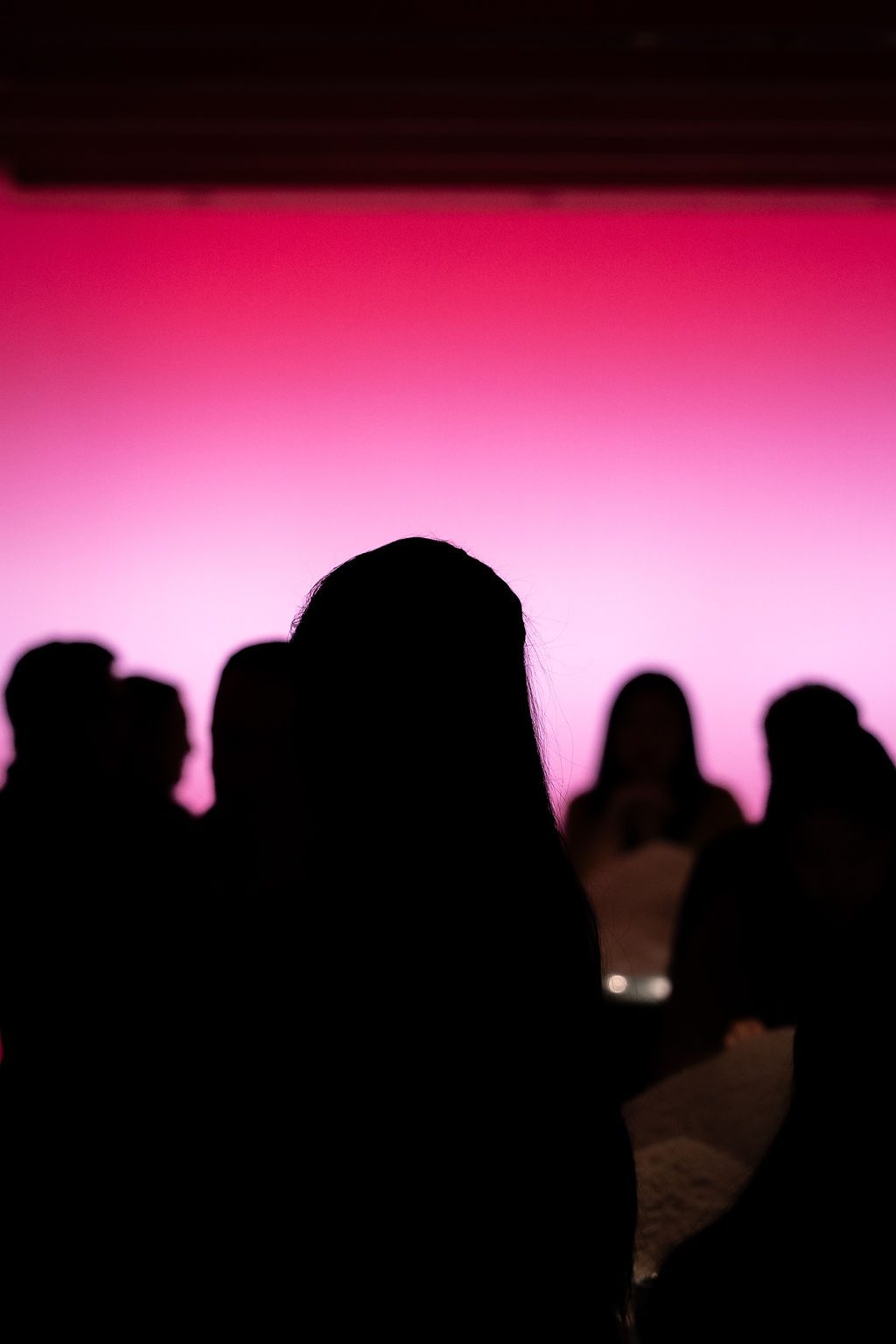
The initial lighting was similar to what you'd see at home, with floor lamps, lanterns, and warm patches of light. As time progressed, the light became richer, more layered, and even a little dramatic. Finally, we bathed the entire space in deep red, a color that holds deep cultural connections for both Eva and me—related to memories, celebrations, and a feeling of time being stretched out and displaced, as if transported back to a place we hadn't visited in a long time but suddenly remembered.
What details might not be consciously noticed by guests, yet are crucial to their emotional and sensory experience?
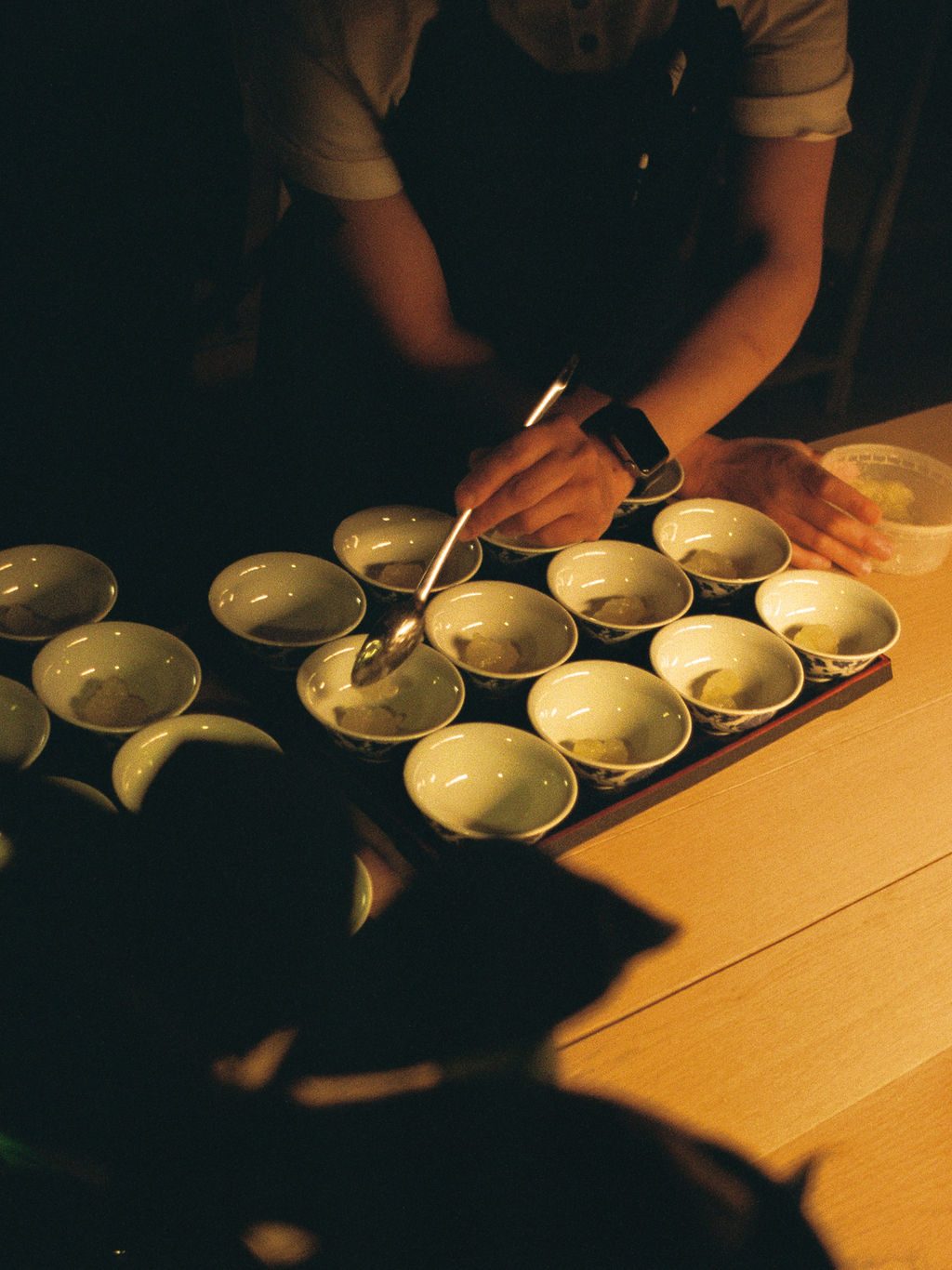
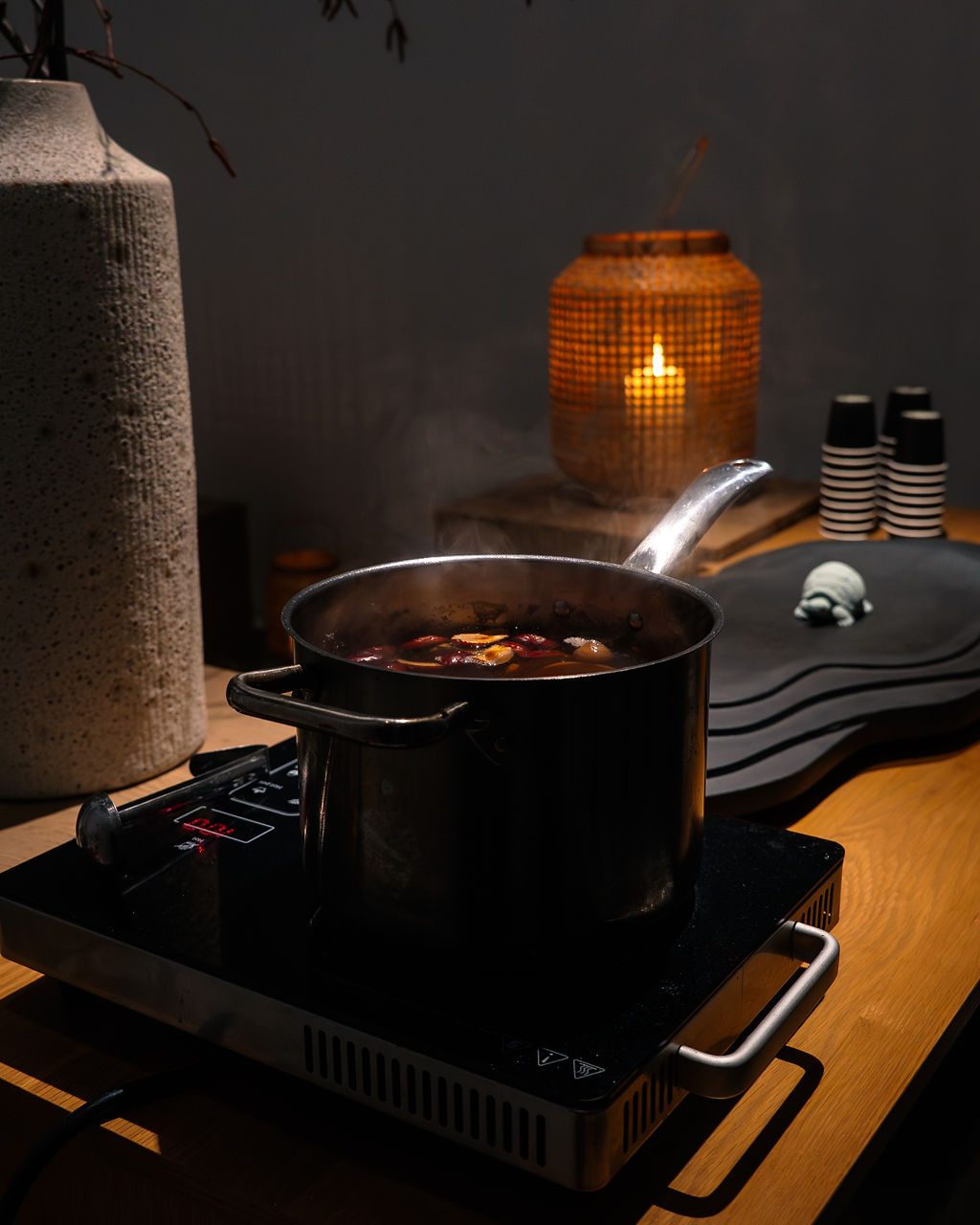
Scent is actually very important to us, but it doesn't need to be prominently displayed. Some traditional herbs are packaged in glass bottles, and even if you don't specifically see them, the smell will still have a stimulating effect. The slow diffusion of jujube tea in the air can warm up a space and evoke feelings of being cared for and at home. We hope these things exist quietly, gradually influencing memories, rather than being immediately obvious.

What insights did this project offer Mason Studio regarding emotional design and cultural connection? How will they continue their exploration of light, culture, and gathering in the future?
This project has also made us realize once again that even from the same cultural background, everyone's experiences are actually very different, influenced by migration, upbringing, and life stage. Going forward, we will continue to start from specific cultural contexts, while also paying attention to which expressions can evoke broader resonance. Light will remain central to our exploration, because it often touches emotions and creates connection and curiosity even before any language exists.
The "Light Gathering in the Yuàn" immersive dinner, co-curated by Mason Studio and VYVYD Lighting, marks the first public opening of the experimental space The Light Room, in collaboration with Yan…
