
Electrification has brought about a fundamental shift in the luxury car market. The exhaust notes are gone, the number of cylinders to boast about is no longer a factor, and the sensory tension of traditional mechanical operation is lost. With these familiar elements disappearing, what truly tests automakers is their core strength, such as body proportions, manufacturing processes, cabin atmosphere, and the design positioning of the vehicle itself.
In the top-tier luxury segment, electrification is not merely a change of powertrain, but a fundamental overhaul of design logic. Without the engine's roar as the main character, how can the luxurious experience be rebuilt? With speed becoming quiet, how can a brand continue its core values? Facing this era of change, the Cadillac Celestiq, Ferrari Luce, and Mercedes-Benz VLE are offering answers through three distinct paths.
Ferrari must challenge itself by using the silence of pure electric power to carry its nearly eighty-year racing legend; Cadillac boldly enters the high-end customization market with the Celestiq, announcing its return to the top stage; and Mercedes-Benz directly transforms its luxury van concept car into a true production vehicle. These three brands have drastically different strategies and market positioning, but they are all redefining luxury in the era of electrification in their own ways.
Cadillac Celestiq
American luxury is back
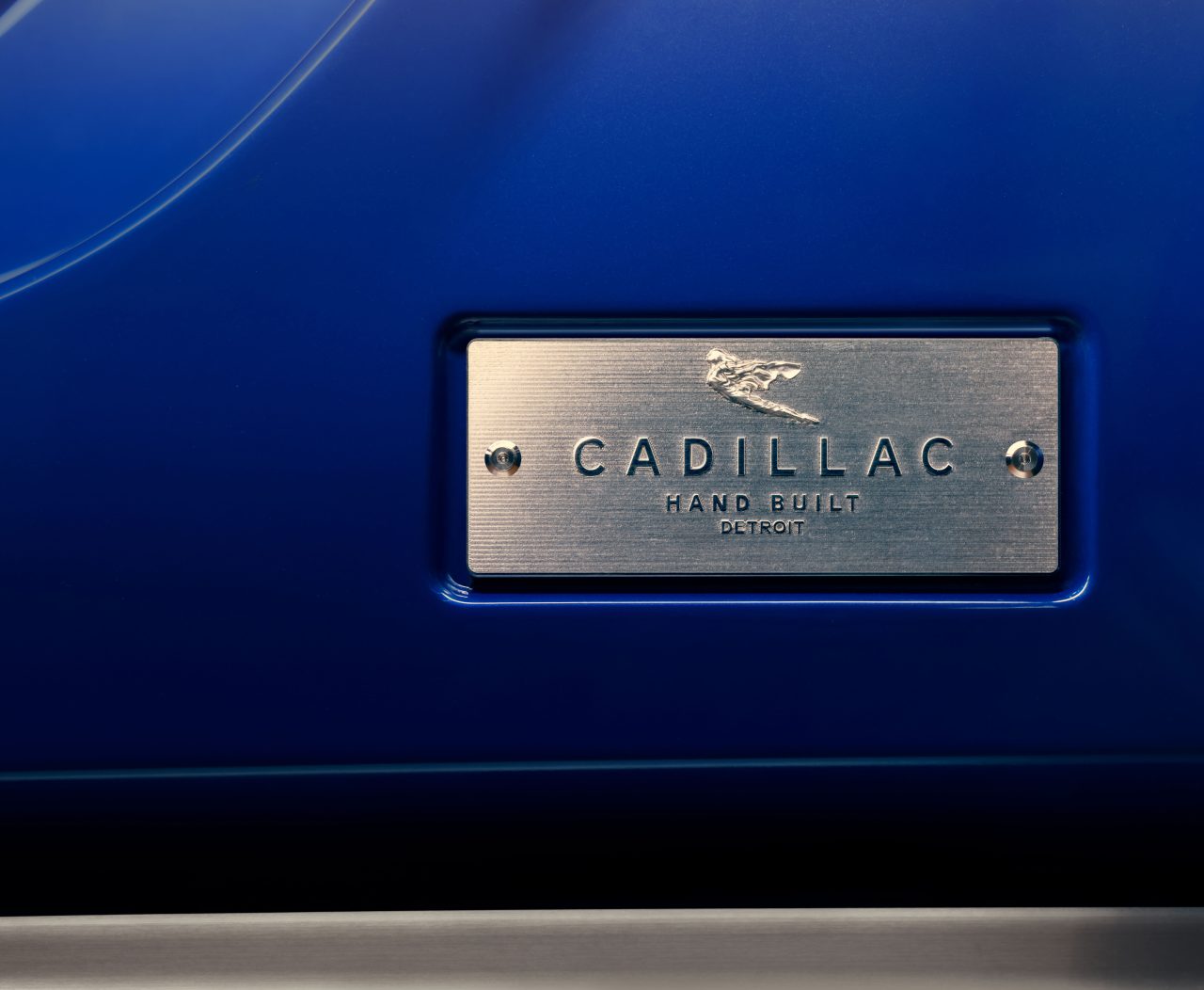
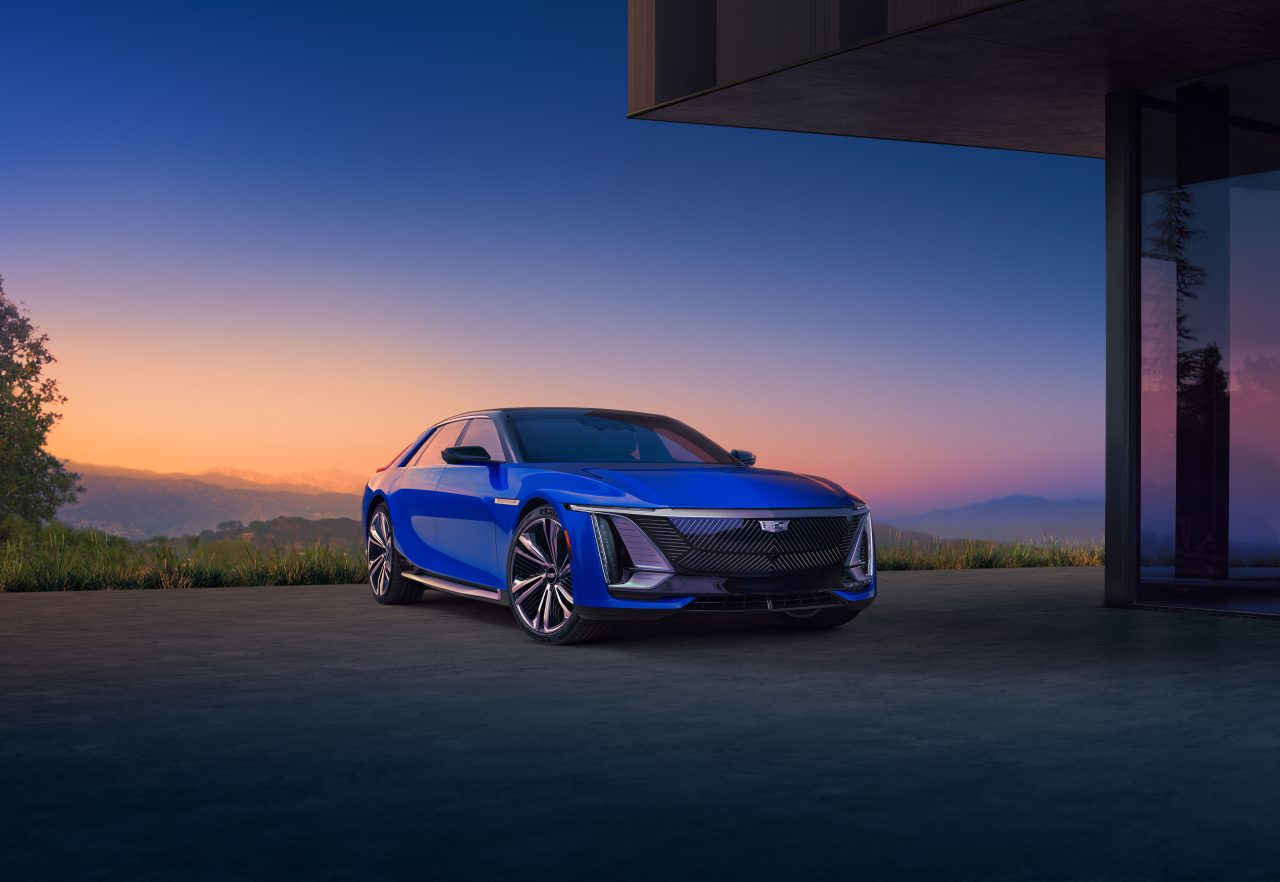
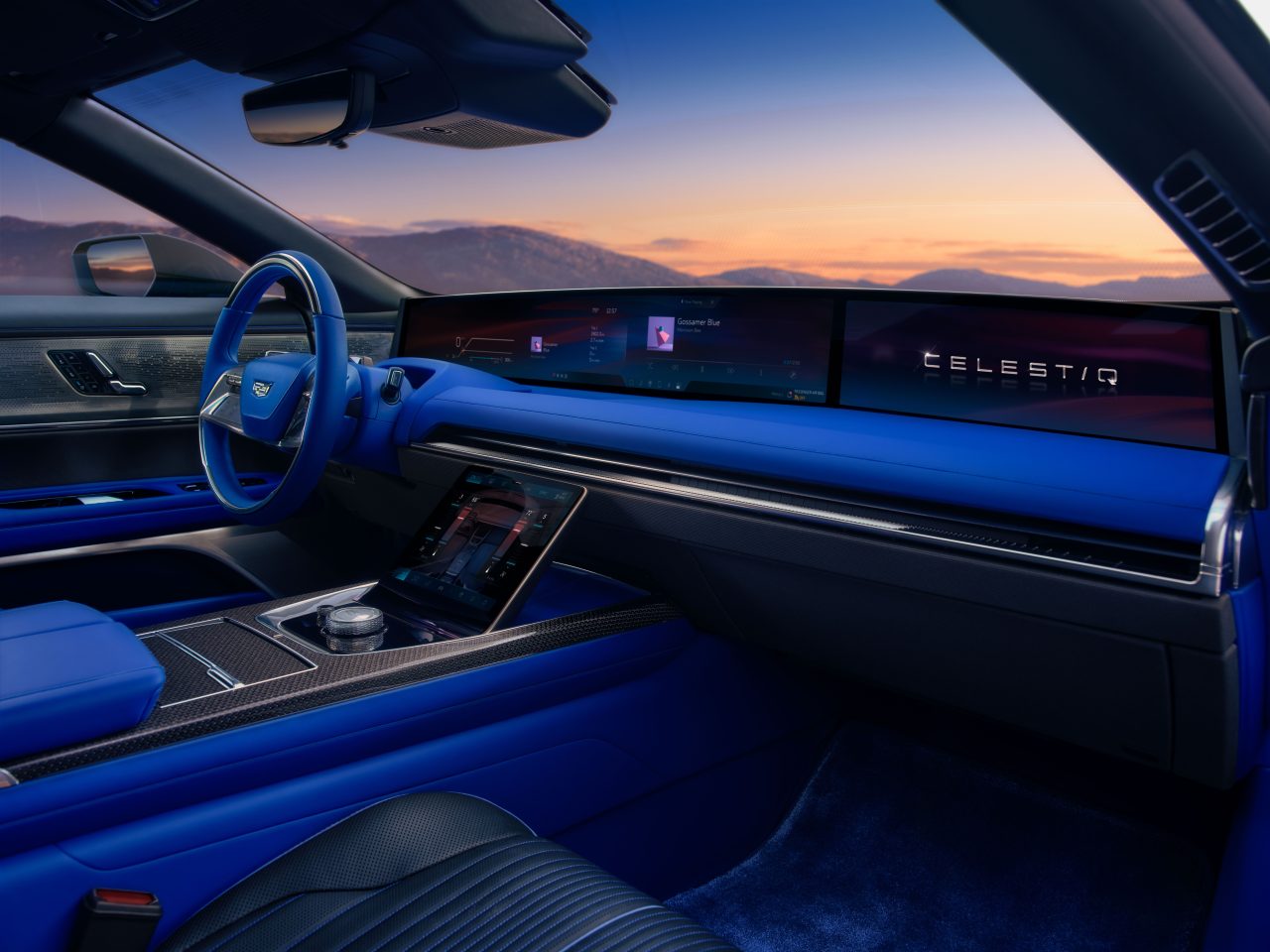
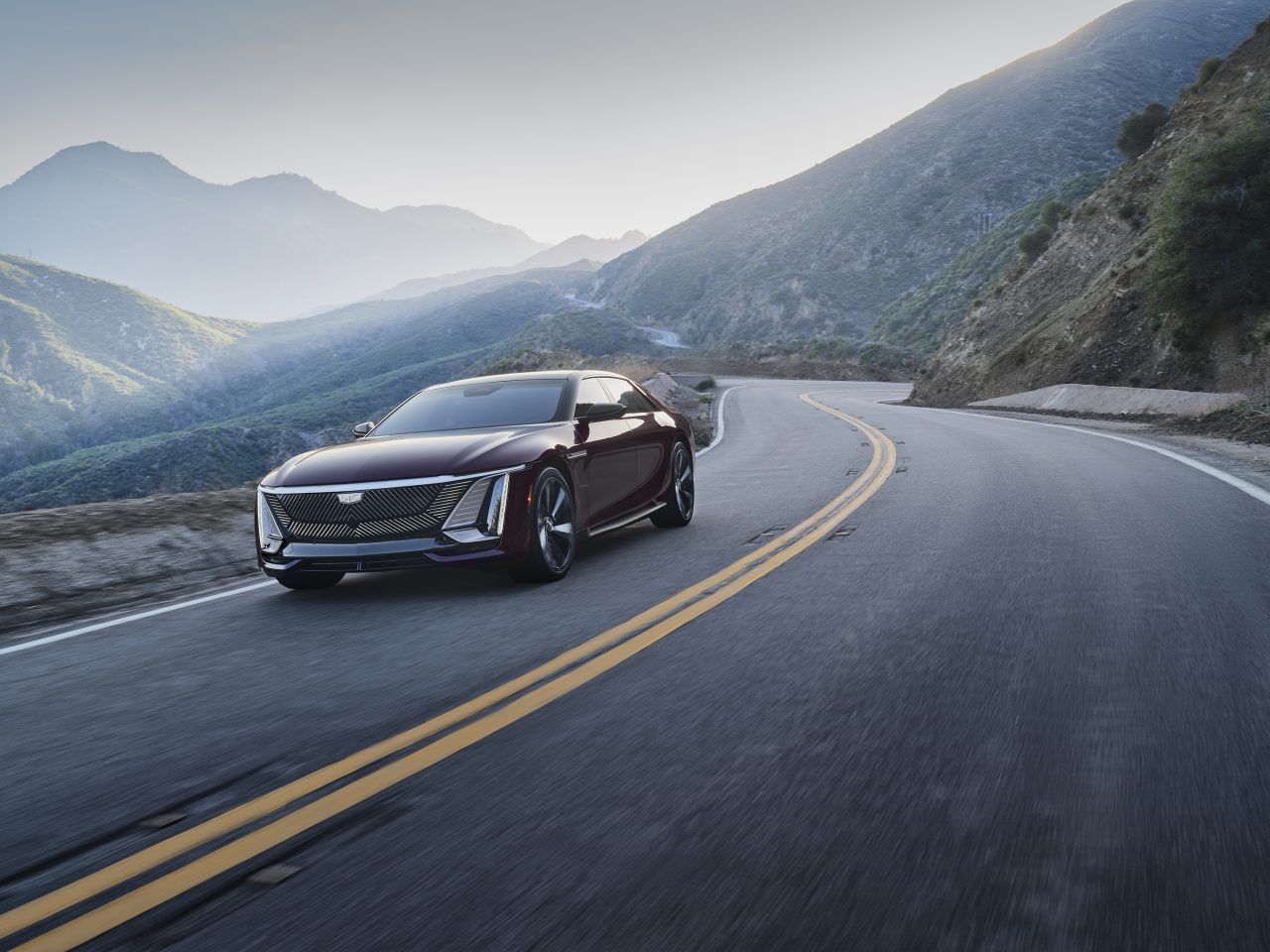
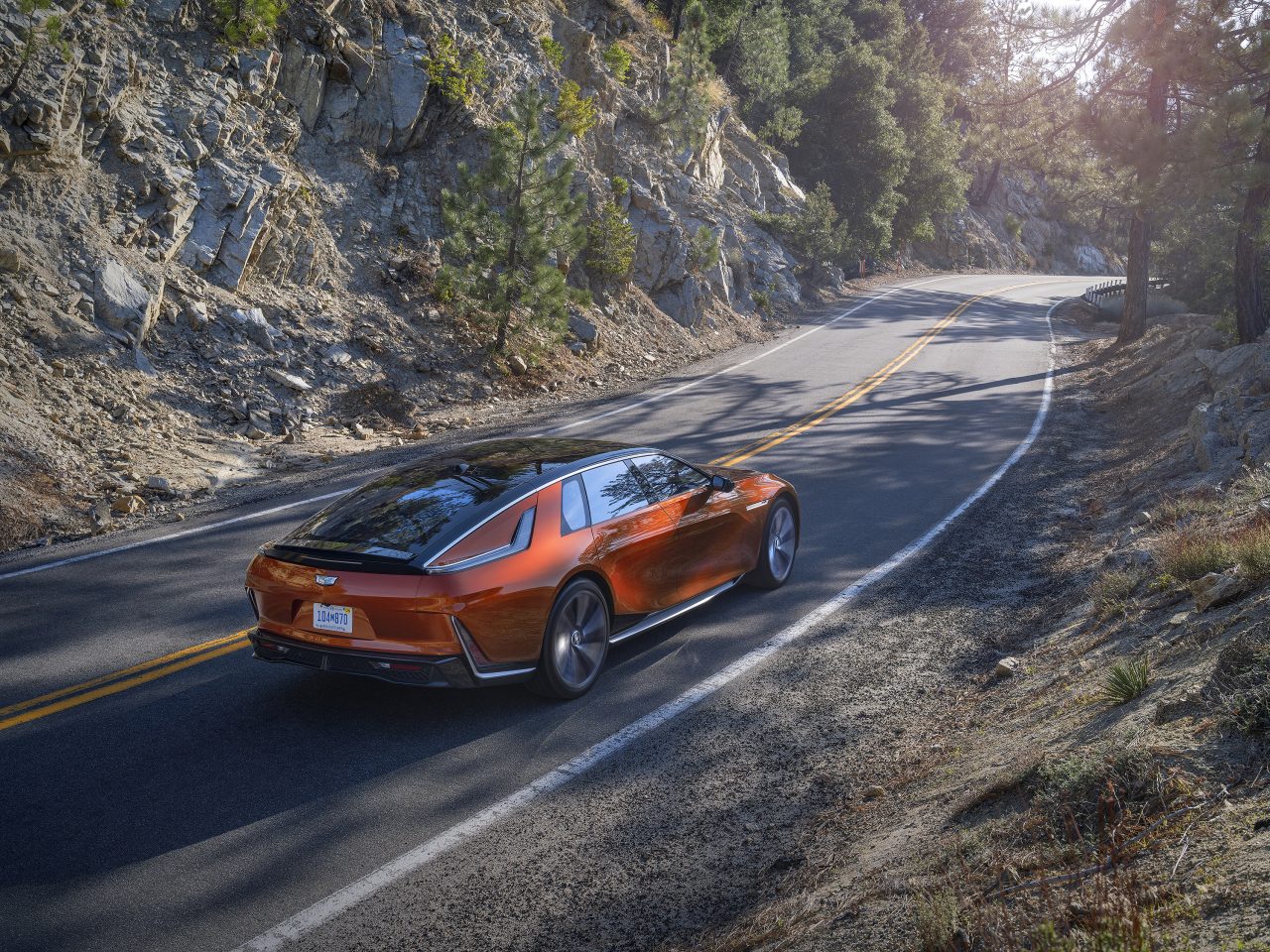
The Cadillac Celestiq has no intention of chasing Mercedes-Benz, imitating Rolls-Royce, or defending Detroit's automotive tradition. This handcrafted, all-electric flagship has a clear goal: to bring back the tradition of American luxury in terms of scale, confidence, and drama. Its long, low-slung body exudes a glamorous and unrestrained presence. The Celestiq doesn't resemble a traditional sedan; it's more like a privately commissioned piece. The lighting design is theatrical, and the technology is comprehensive, but the most striking feature is its visual weight—understatement is not its style.
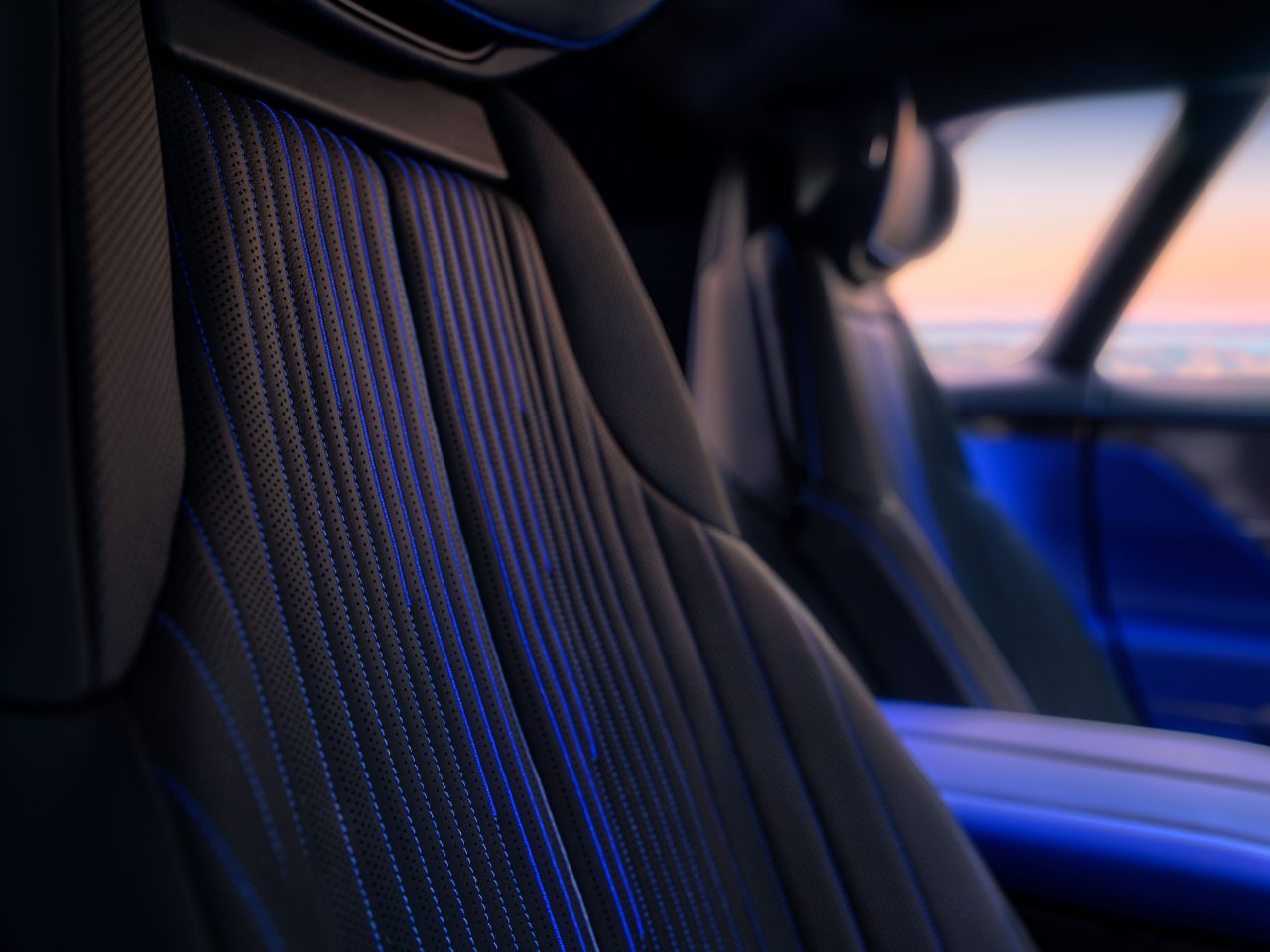
Celestiq's core brand promise lies in ultimate personalization. Cadillac positions it as a pure electric luxury vehicle built to the owner's needs, making each one unique. Colors, leather, wood trim, metalwork, and various details are no longer just options, but rather a deeply personalized customization process involving the owner.
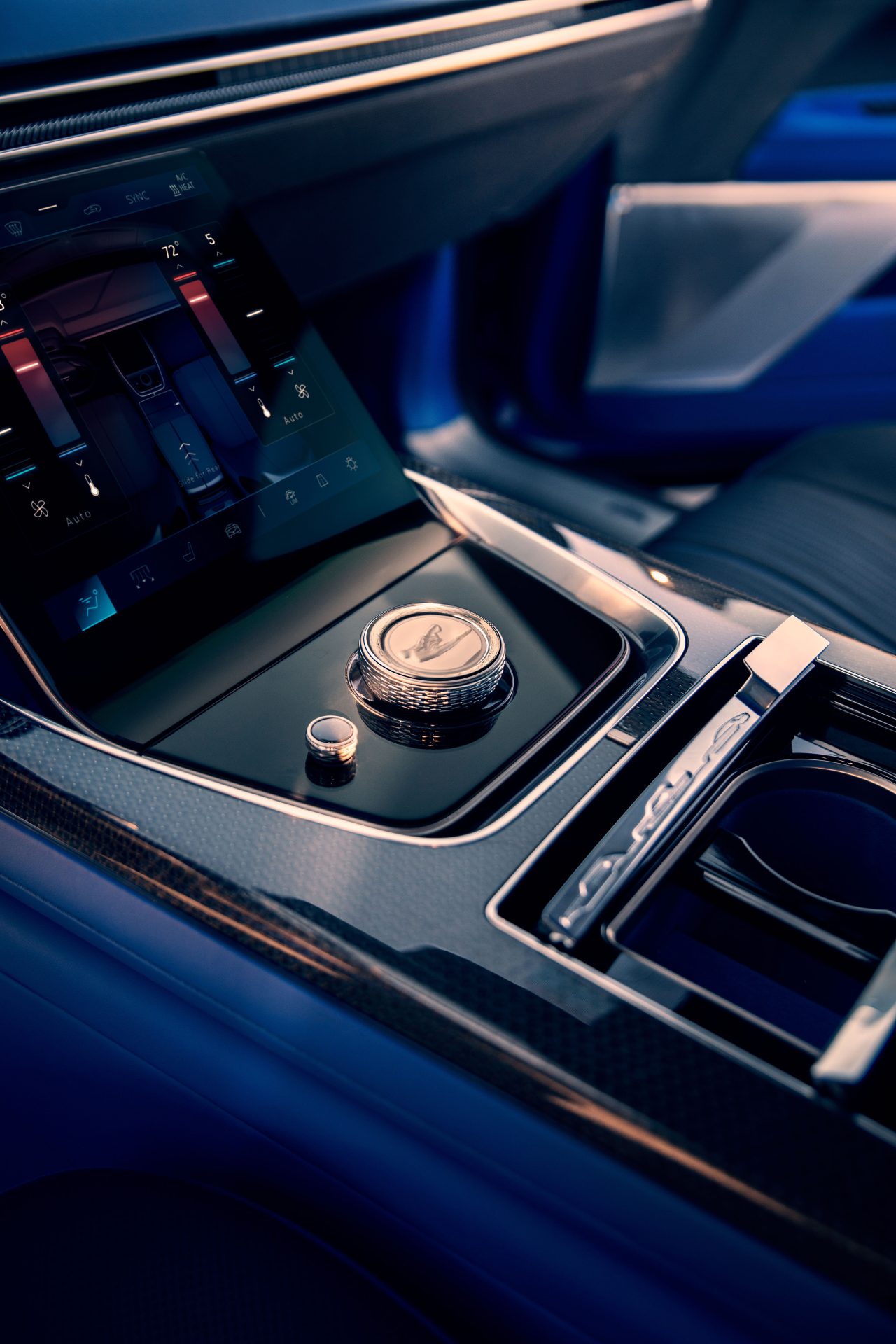
The interior is equally bold. The massive display screen spanning the cabin creates a striking visual impact, but the space doesn't become a mere technology showcase. Digital interfaces and handcrafted materials are juxtaposed, achieving a balance between the two. The Celestiq is almost Cadillac's lunar mission. It's not just about launching an electric car, but about redefining the brand's positioning and ambition.
Mercedes-Benz VLE
Lounge on the move
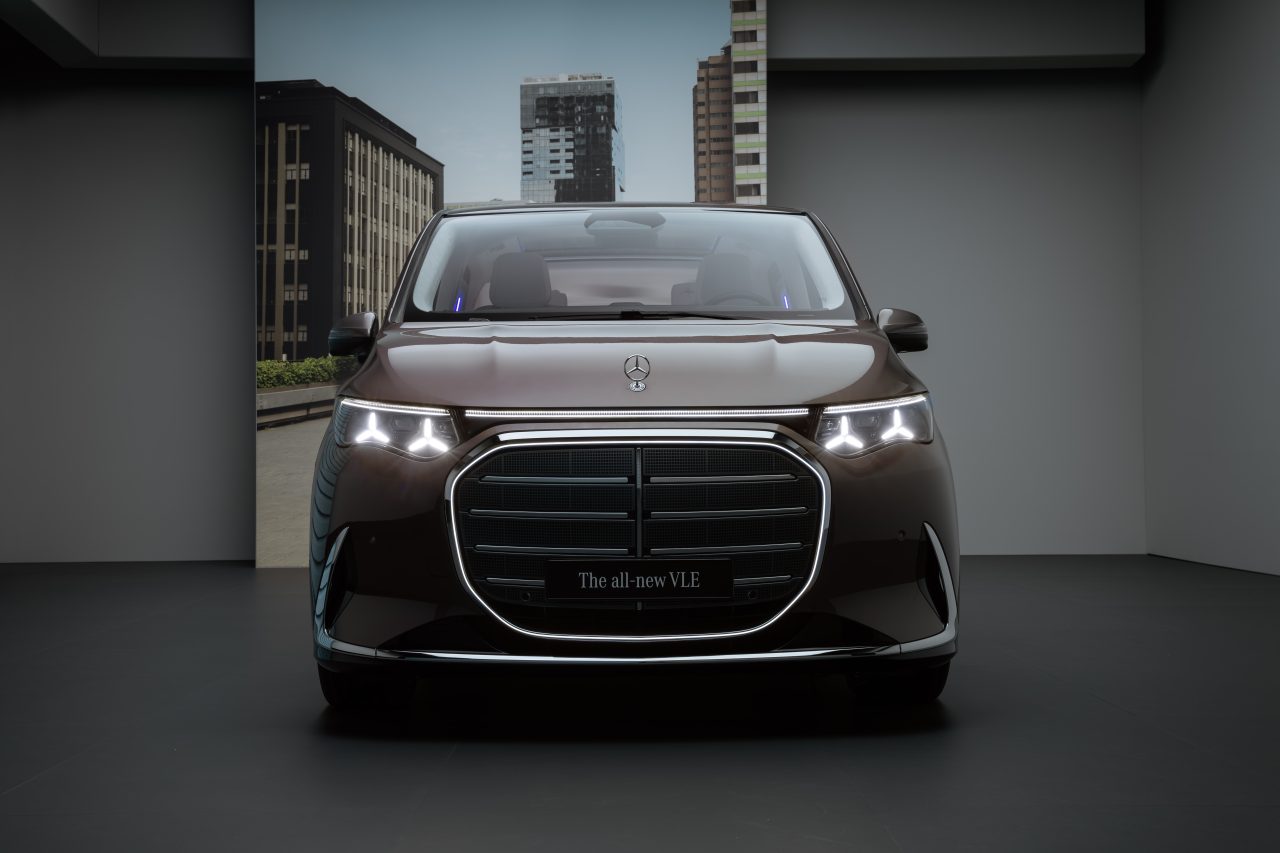
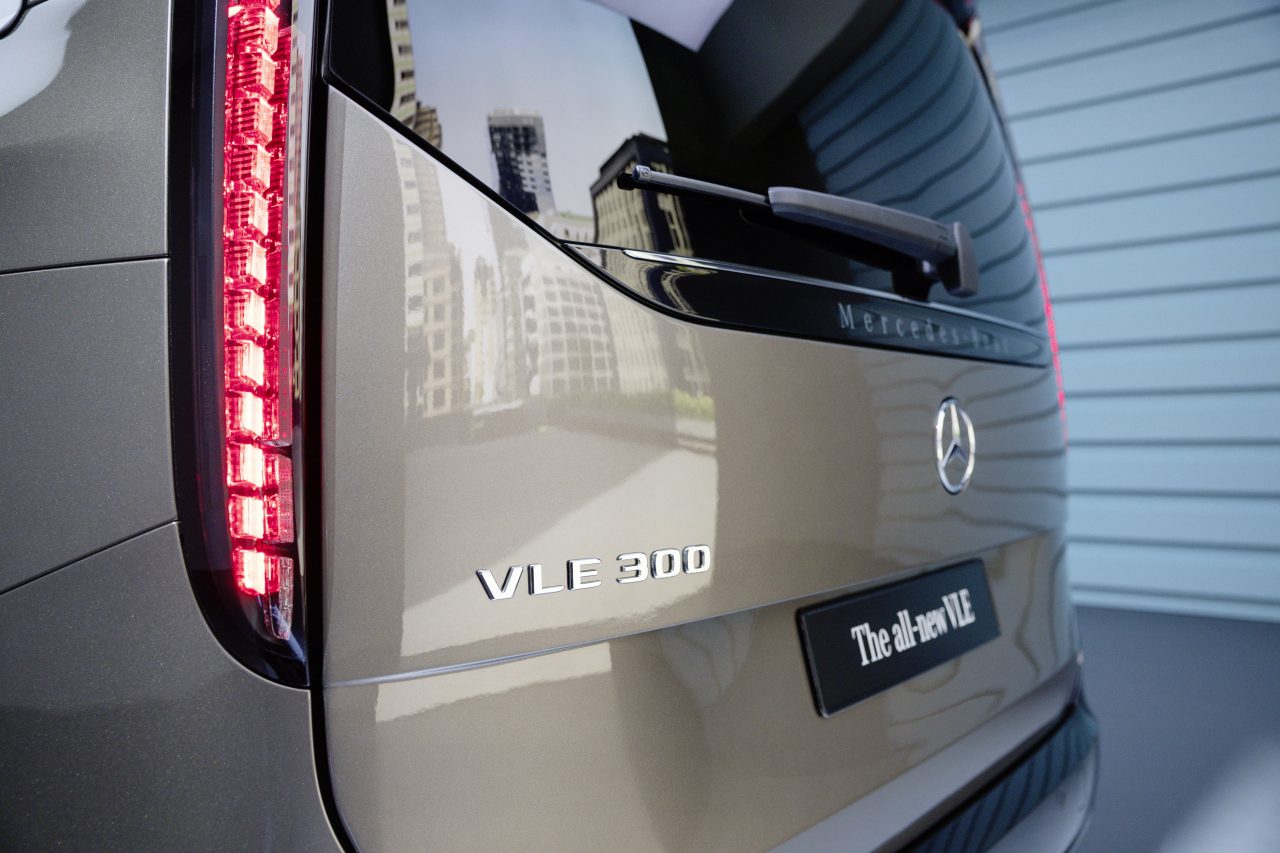
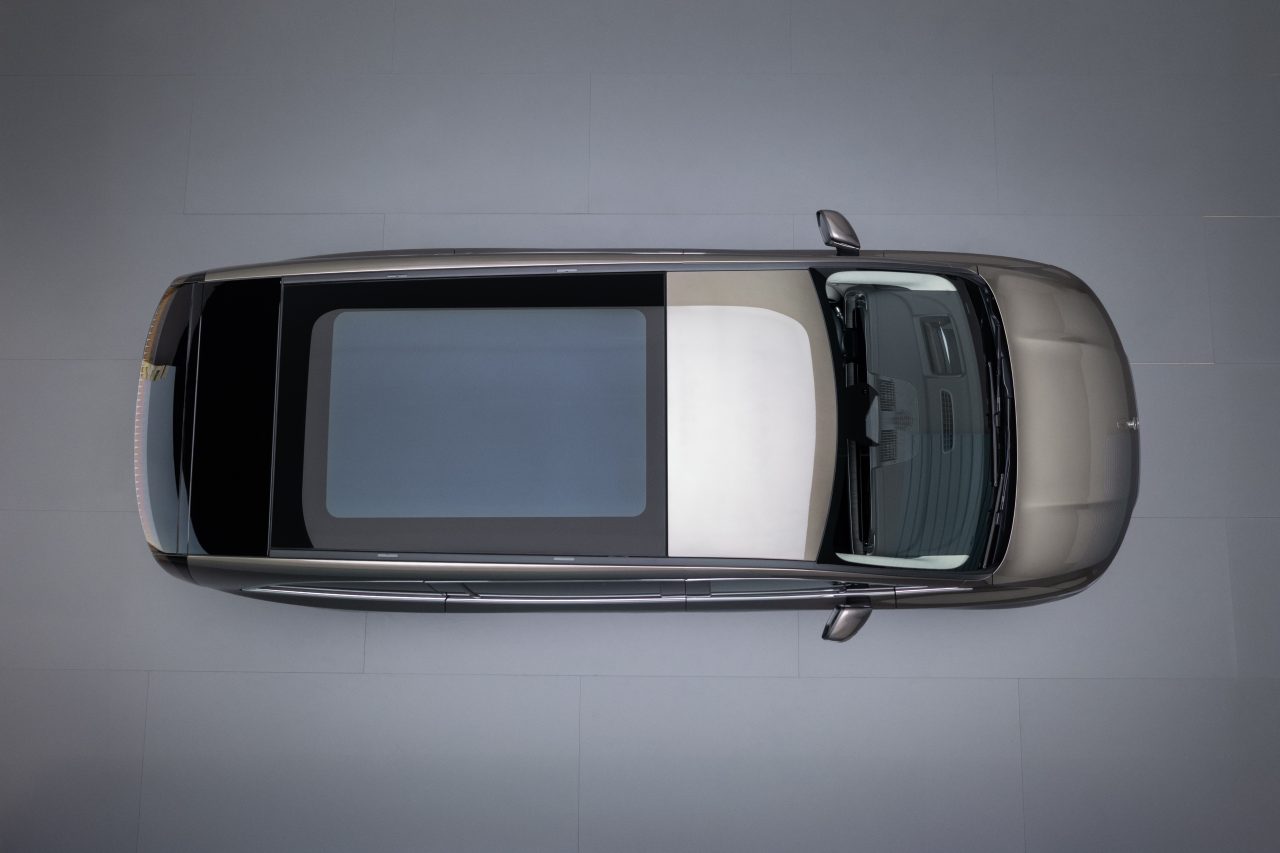
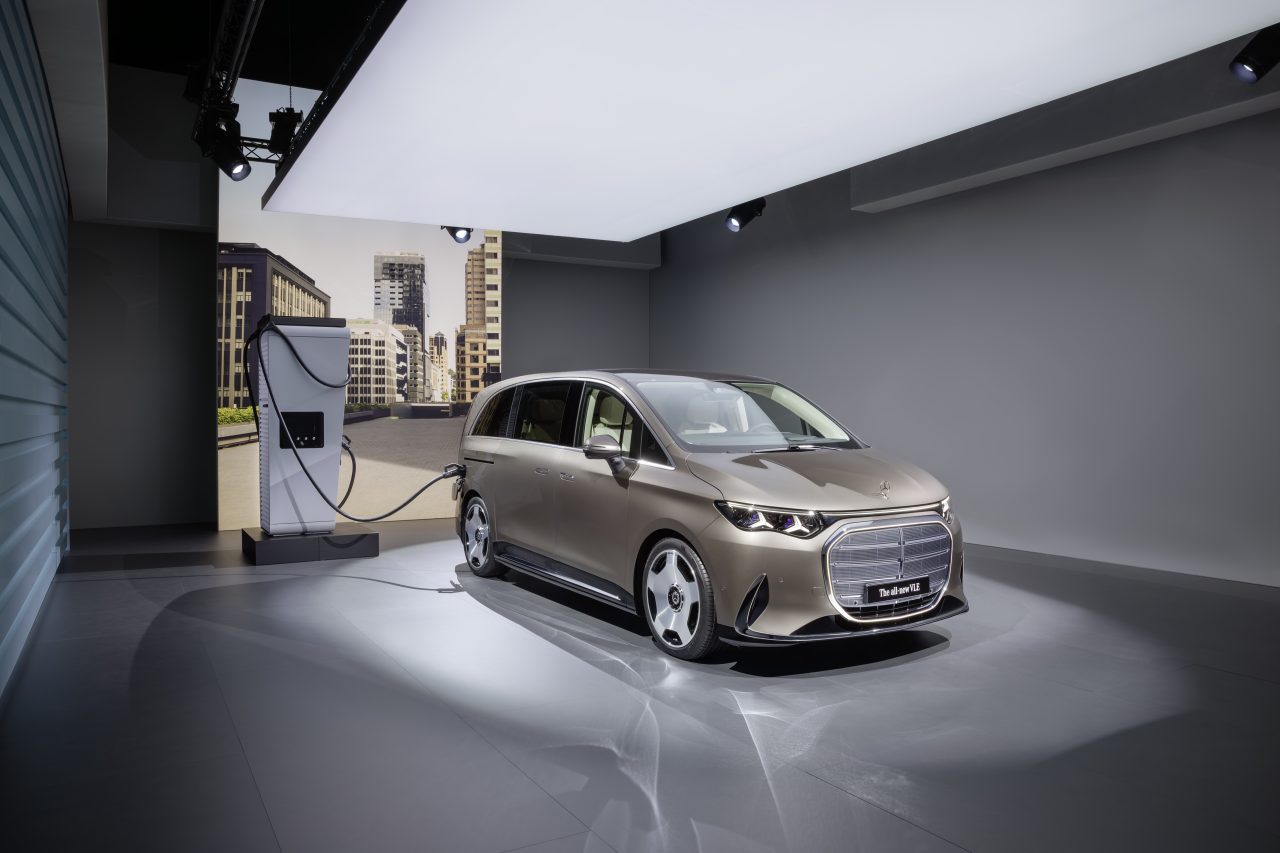
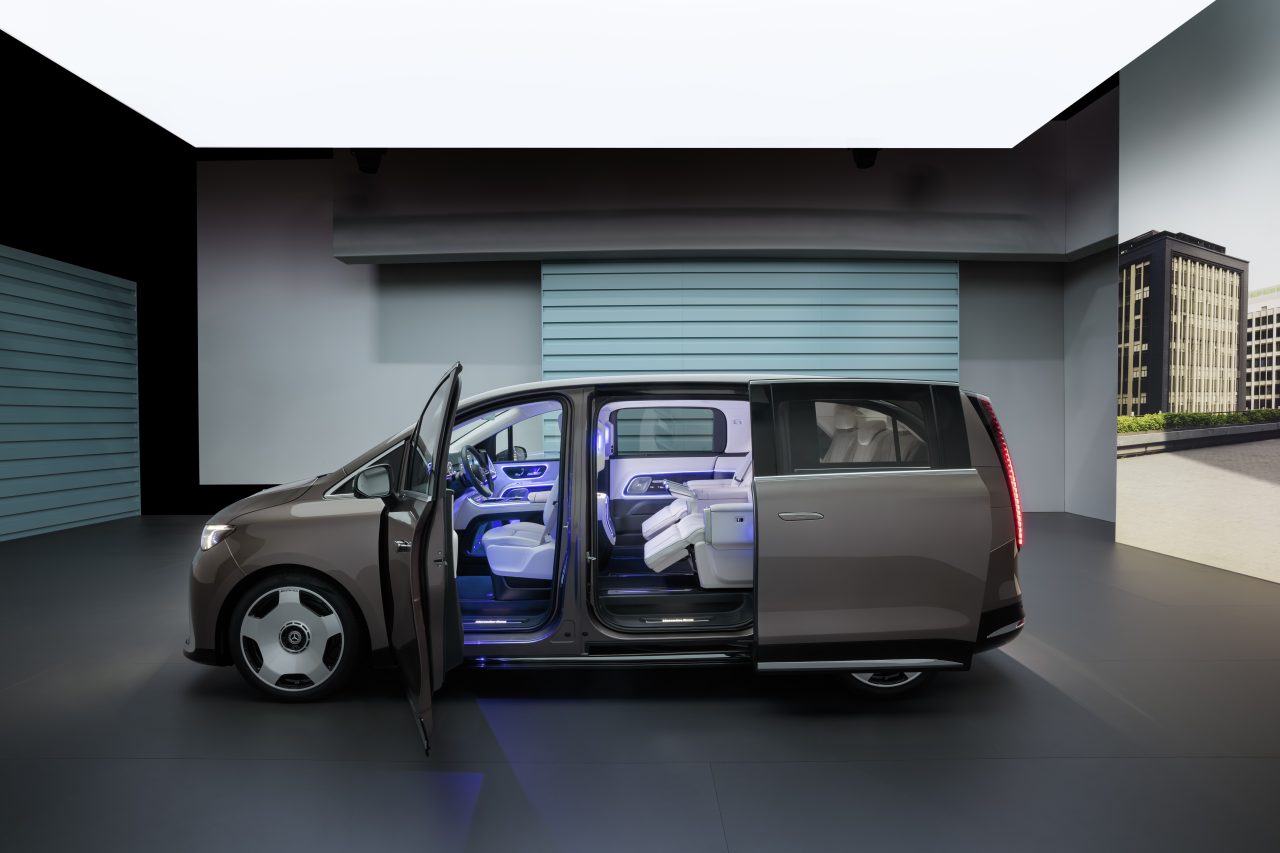
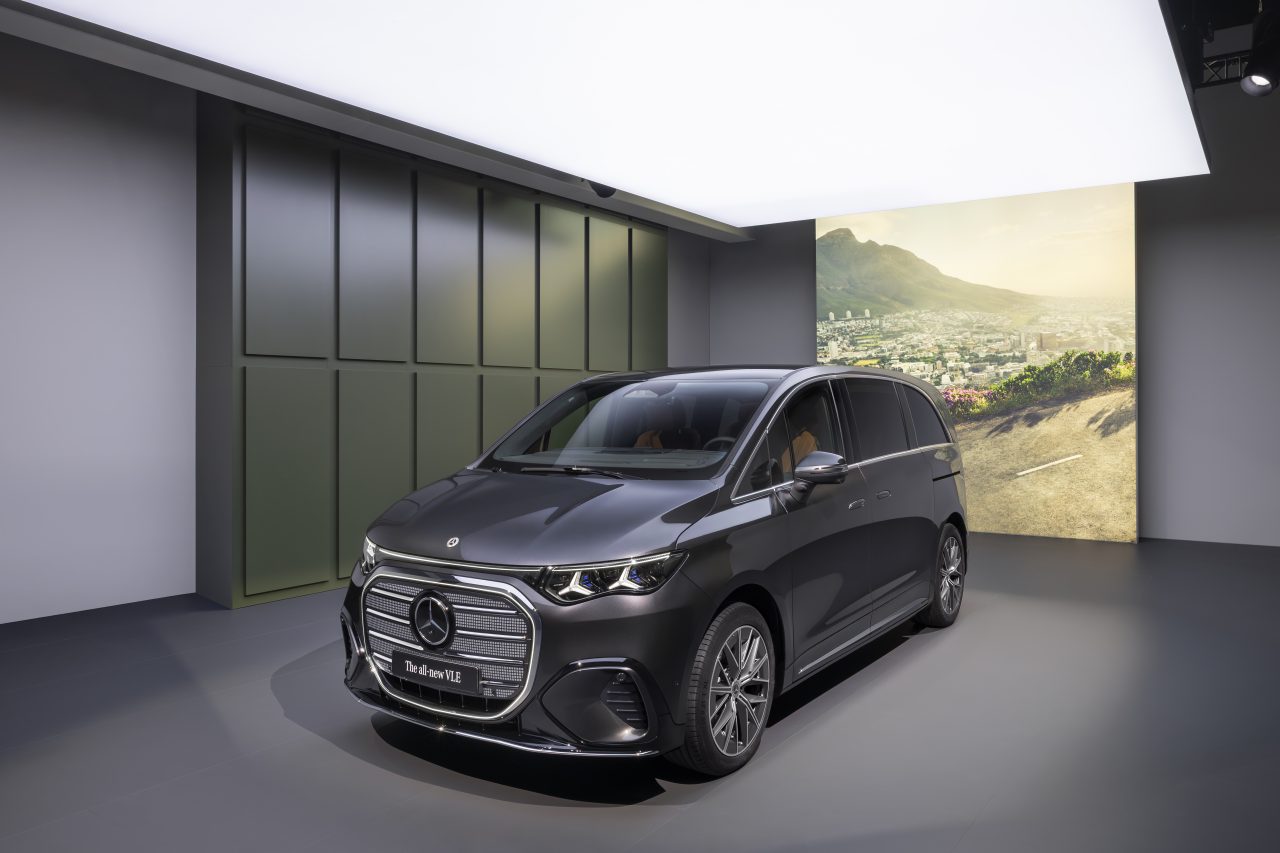
As for the Mercedes-Benz VLE, it takes electric luxury to another level. When the Mercedes-Benz Vision V was first unveiled as a concept car, it was already seen as a clear direction. Now, the all-electric Mercedes-Benz VLE will be built on the new VAN.EA architecture, with pre-production already underway in Spain and an official launch expected this year.
We're no longer talking about the exhibits at auto shows, but rather how Mercedes-Benz is bringing the concept of a private electric lounge to life in production vehicles. This direction aligns with Mercedes-Benz's consistent logic. The brand has long cultivated different facets of luxury, one of which isn't centered on driving. For some users, the key to luxury lies in the experience of being picked up and dropped off, seeking quiet, privacy, and freedom from unnecessary distractions.
In markets like China, high-end vans are already a mature luxury category. These vehicles serve more than just transportation; they function as mobile offices, rest spaces, or private retreats away from the outside world. The emergence of the VLE further solidifies this new product definition in the global market: it sells more than just seats; it connects the movement between airports, hotels, conference rooms, and residences into a golden period where one can freely switch between "efficient work" and "absolute privacy."
Ferrari Luce
Ferrari's all-electric test
Ferrari's first all-electric model has been officially named "Luce," meaning "light" in Italian, rather than the previously predicted Elettrica. Ferrari's ability to repeatedly weather so-called existential crises stems from the brand's consistent understanding of its positioning. From mid-engine sports cars, turbocharged engines, and hybrids, to the four-door Purosangue, which still refuses to be categorized as an SUV, each transformation has triggered anxiety among hardcore car enthusiasts. However, each time the brand has successfully internalized future technologies while maintaining its core values.
However, Luce undoubtedly faces the most rigorous test in the brand's history. The design of this all-electric supercar was led by Centro Stile, the creative core of Ferrari's in-house design team, transforming the brand's tradition into a future-oriented entity. Ferrari also invited LoveFrom, led by Sir Jony Ive and Marc Newson, to participate.
The most brilliant result of this collaboration lies in the cockpit. Ferrari's interiors have never been about providing a comfortable lounge; instead, they are entirely driver-centric command centers. The Luce deliberately avoids the common pitfall of current electric vehicles—the blind stacking of cold, large screens—and instead emphasizes clear interfaces, tactile feedback, and focus. It doesn't rush to fill the driver's field of vision with technology, but rather uses design to allow the driver to rediscover the sense of control over the entire vehicle.
In terms of performance figures, the Luce also demonstrates the level expected of a Ferrari: boasting a powerful output of nearly 1,000 horsepower in Boost mode, accelerating from 0 to 100 km/h in just 2.5 seconds, a top speed of 310 km/h, and a range of over 530 km. However, can a fully electric Ferrari still ignite the driver's passion? The answer cannot be measured by numbers; it will only be revealed when entering the first corner.


The post "The Test of the Electric Age" first appeared on Pure Luxury Magazine .
Electrification has brought about a fundamental transformation in the luxury car market. Gone are the exhaust notes, the boastful number of cylinders, and the sensory tension of traditional mechanical operation. With these familiar elements gone, what truly tests automakers is their core strength: body proportions, manufacturing processes, cabin atmosphere, and the design positioning of the vehicle itself. In the top-tier luxury segment, electrification is not merely a change of powertrain, but a fundamental overhaul of design logic. Without the engine sound as the protagonist, how can the luxury experience be rebuilt? When speed becomes quiet, how can a brand continue its core values? Faced with this era of change, the Cadillac Celestiq, Ferrari Luce, and Mercedes-Benz VLE are offering answers through three distinct paths. Ferrari must challenge itself by using the silence of pure electric power to carry nearly eighty years of racing legend; Cadillac boldly enters the high-end customization market with the Celestiq, announcing its return to the top stage; and Mercedes-Benz directly transforms its luxury van concept car into a true production vehicle. These three cars have drastically different strategies and market positioning, but they are all redefining luxury in the era of electrification in their own way. The Cadillac Celestiq: A Return of American Luxury…
The post "The Test of the Electric Age" first appeared on Pure Luxury Magazine .
")%]
