
The Ferrari 849 Testarossa Spider inherits the most iconic and significant name of the Maranello, ushering in a new era of electrified performance. Tenerife, Spain—Ferari never names its cars arbitrarily. Some names represent a place, a race, or an engineering philosophy; others symbolize an era in the brand's history. "Testarossa" clearly combines both—it has journeyed from the racetracks of the 1950s to the roads of the 1980s, and now enters the era of hybrid performance in a completely new guise.
The legendary name born from the racetrack
The story begins with two Italian words: testa rossa, meaning "red head." This name originates from the Ferrari 500 TR, a racing car launched in 1956, which featured red camshaft covers, hence its name. A year later, the 250 Testa Rossa was launched. This was a sports car equipped with a V12 engine and quickly became one of Ferrari's most successful racing cars.
It established its reputation in major endurance races such as Lehman and Sebring. As a result, "Testa Rossa" gradually became synonymous with advanced engineering, speed and durability.
Nearly thirty years later, Ferrari shortened the name to the single word Testarossa and gave it a completely different identity. Debuting in 1984, the Testarossa was a mid-engined GT sports car powered by a 5.0-liter horizontally opposed 12-cylinder engine. Its wide body, side air louvers, and strong horizontal lines made it instantly recognizable.
It quickly became one of the most iconic cars of its time. The Testarossa appeared in movies, the TV series *Miami Vice*, and music videos, reaching a global audience far beyond traditional Ferrari enthusiasts. While its exterior was undeniably dramatic, its underlying engineering remained rigorous and meticulous.
In 1991, the Testarossa evolved into the 512 TR, gaining more power, sharper response, and a more streamlined overall design. In 1994, the F512 M followed, becoming the final version of this series. After that, the name "Testarossa" disappeared from Ferrari's new car lineup.
The classic car name returns to Ferrari
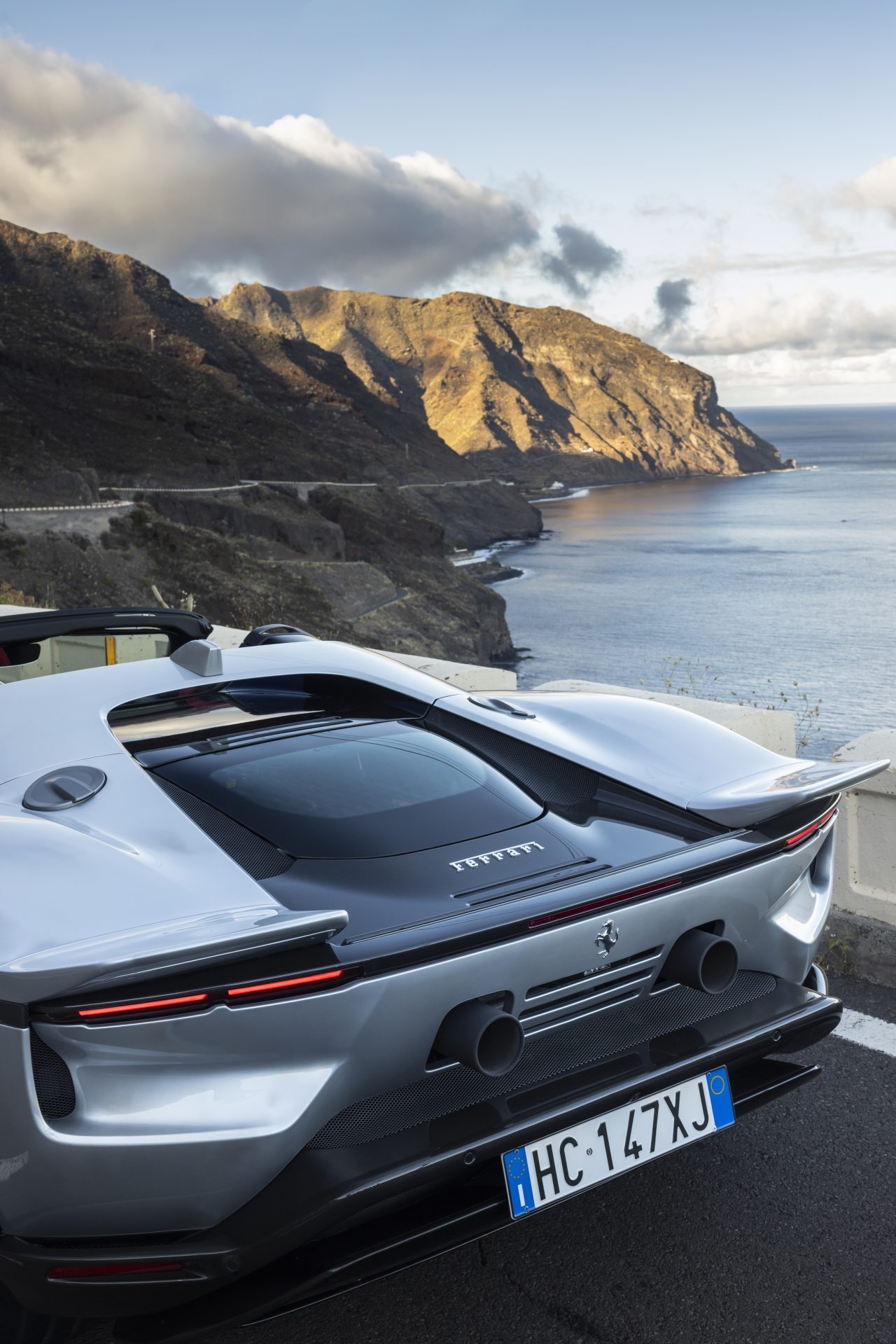
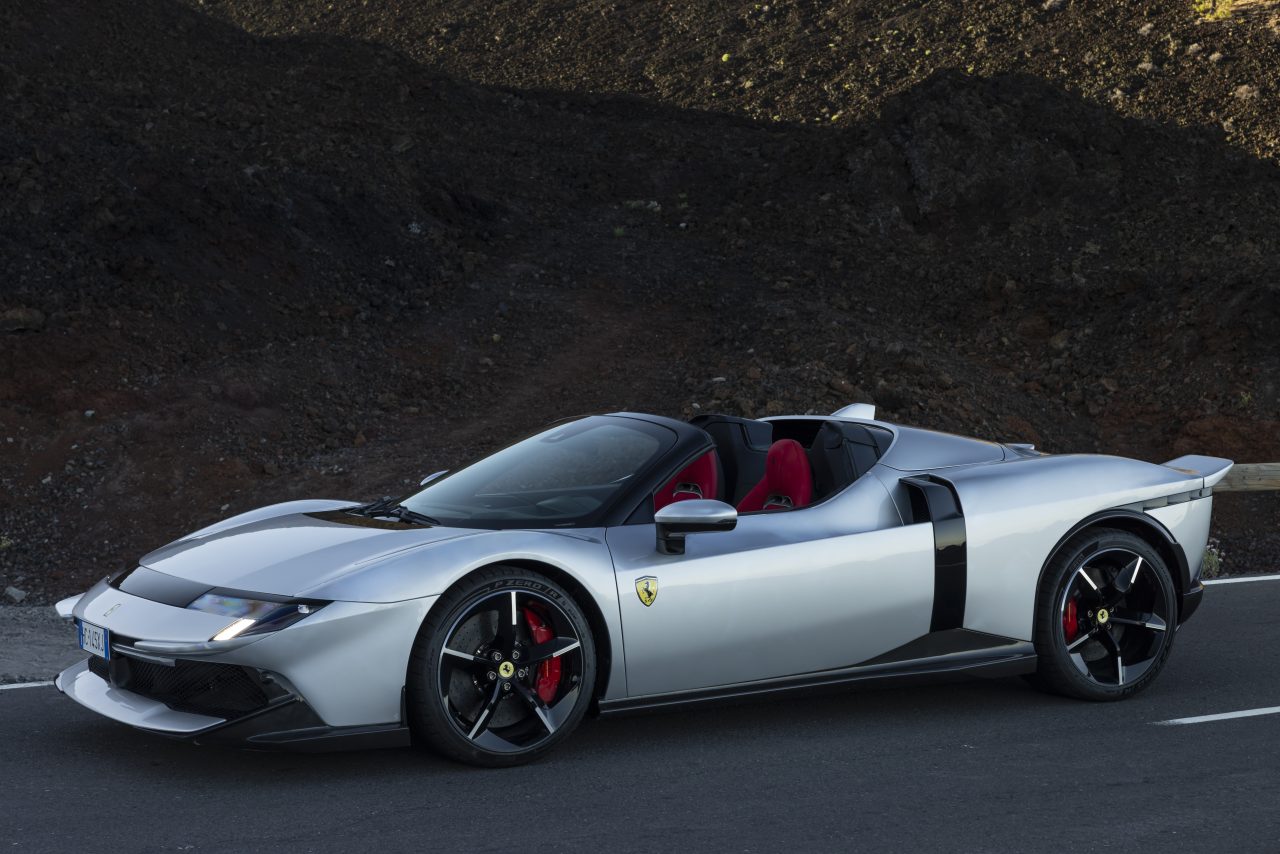
Therefore, the Testarossa, which has now reappeared on the Ferrari 849 Testarossa Spider, carries extraordinary significance. Ferrari is not merely reusing a familiar badge, but rather endowing it with a brand-new creation that represents the forefront of the brand's contemporary road bike technology.
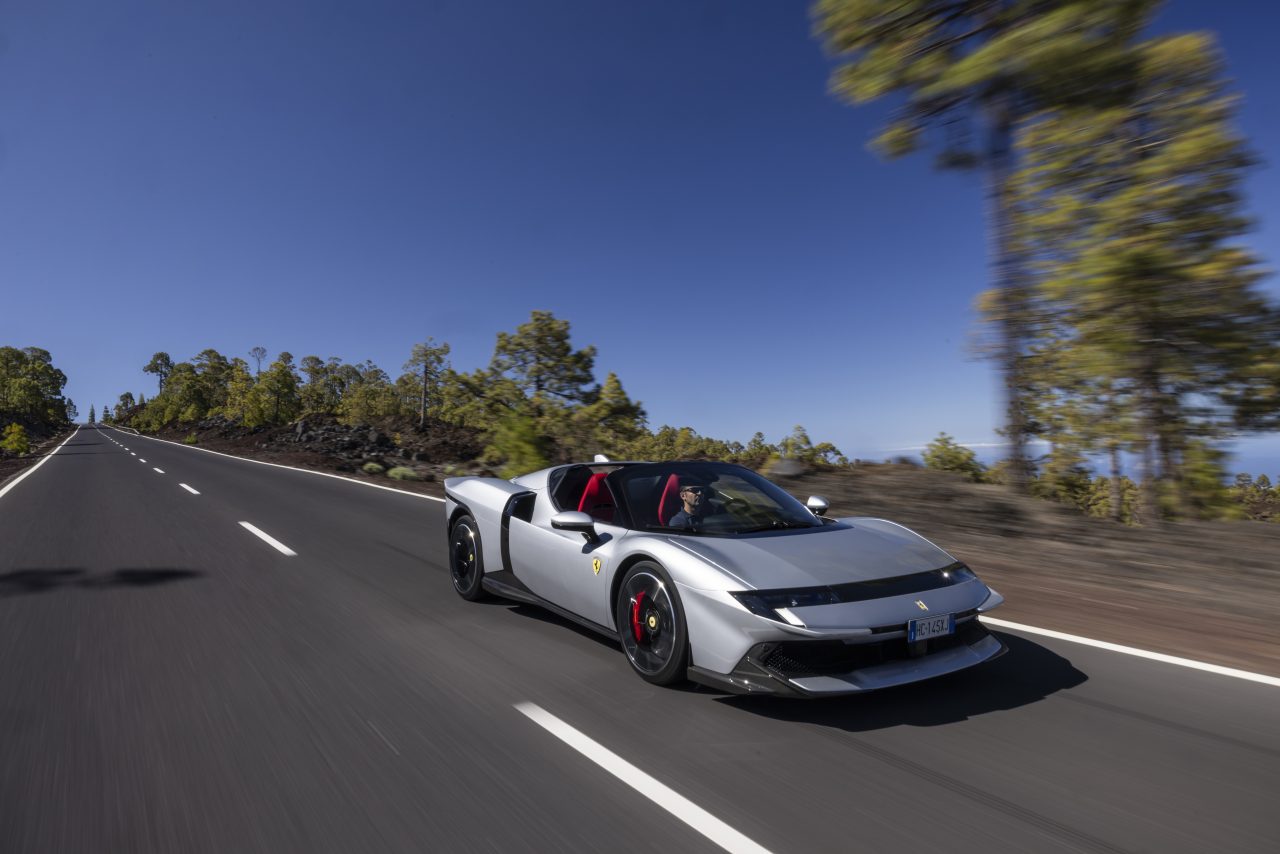
The all-new Testarossa is not a replica of the 1984 model. There are no pop-up headlights, nor any attempt to recreate the classic side air louvers. Instead, the design gazes further back, drawing inspiration from the 1970s Ferrari Sports Prototype race car. A wide, geometric body, sharp, defined surfaces, and a strong rear profile combine to create a distinctive stance. It maintains a connection to Ferrari's history, yet is not bound by it.
1,036 horsepower hybrid engine
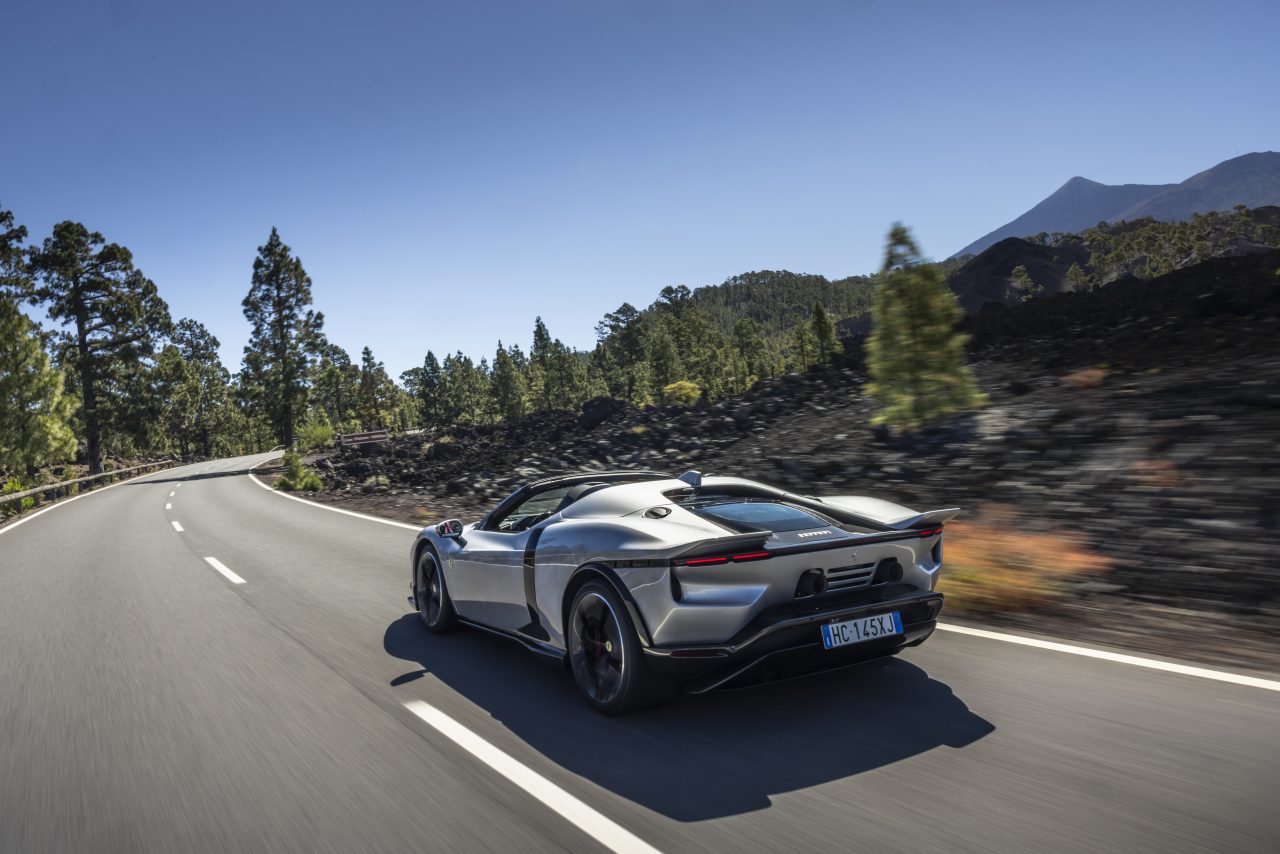
The same applies to the powertrain. While the original Testarossa was centered around a 12-cylinder engine, the new generation combines a 4.0-liter twin-turbocharged V8 engine with three electric motors, producing 1,036 horsepower. Ferrari states that it accelerates from 0 to 100 km/h in under 2.3 seconds and has a top speed exceeding 330 km/h.
These figures are impressive, but what's truly remarkable is the seamless coordination between the gasoline engine and the electric system. The electric motor provides instant power response, assists the V8 engine in building pressure with the twin turbochargers, and sends power to the front wheels when extra traction is needed. The entire system is highly complex, yet it feels intuitive and natural once you're in the driver's seat.
In pure electric mode, the Spider can travel up to approximately 25 kilometers, quietly navigating the city without needing to start the engine. When the roof is retracted, the V8 engine once again becomes the core character of the entire vehicle. As the revs climb, the engine sound gradually intensifies; simultaneously, the electric motor continuously provides support, making the acceleration process more smooth and continuous.
Balance between performance and daily use
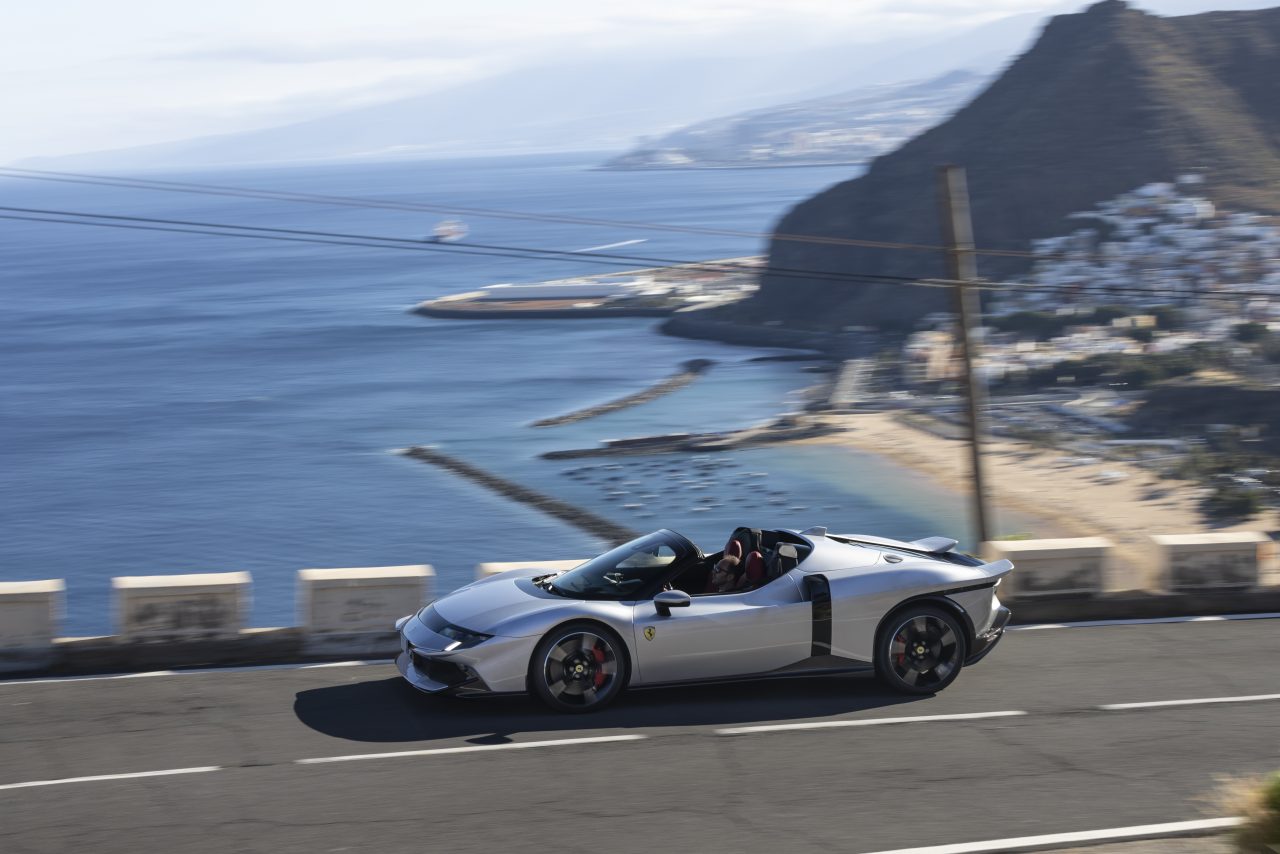
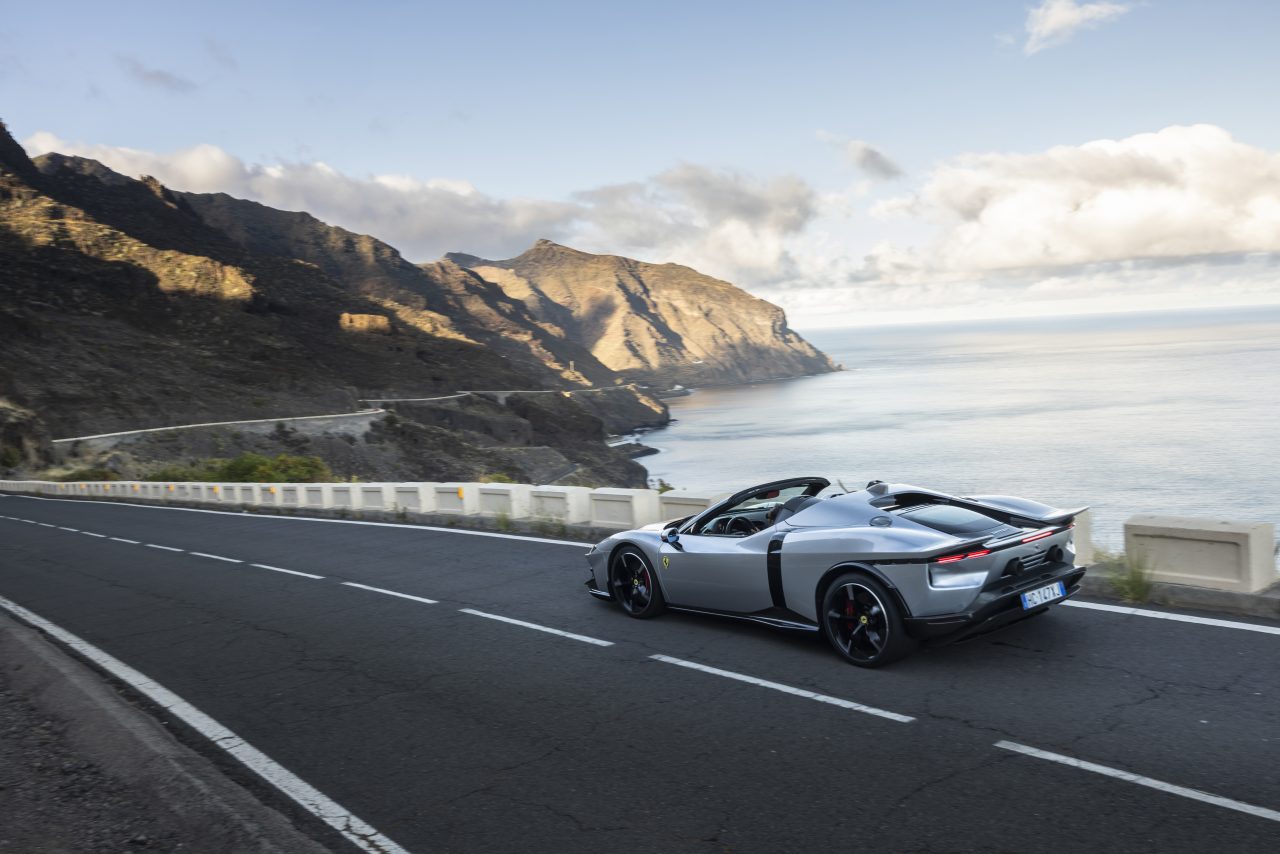
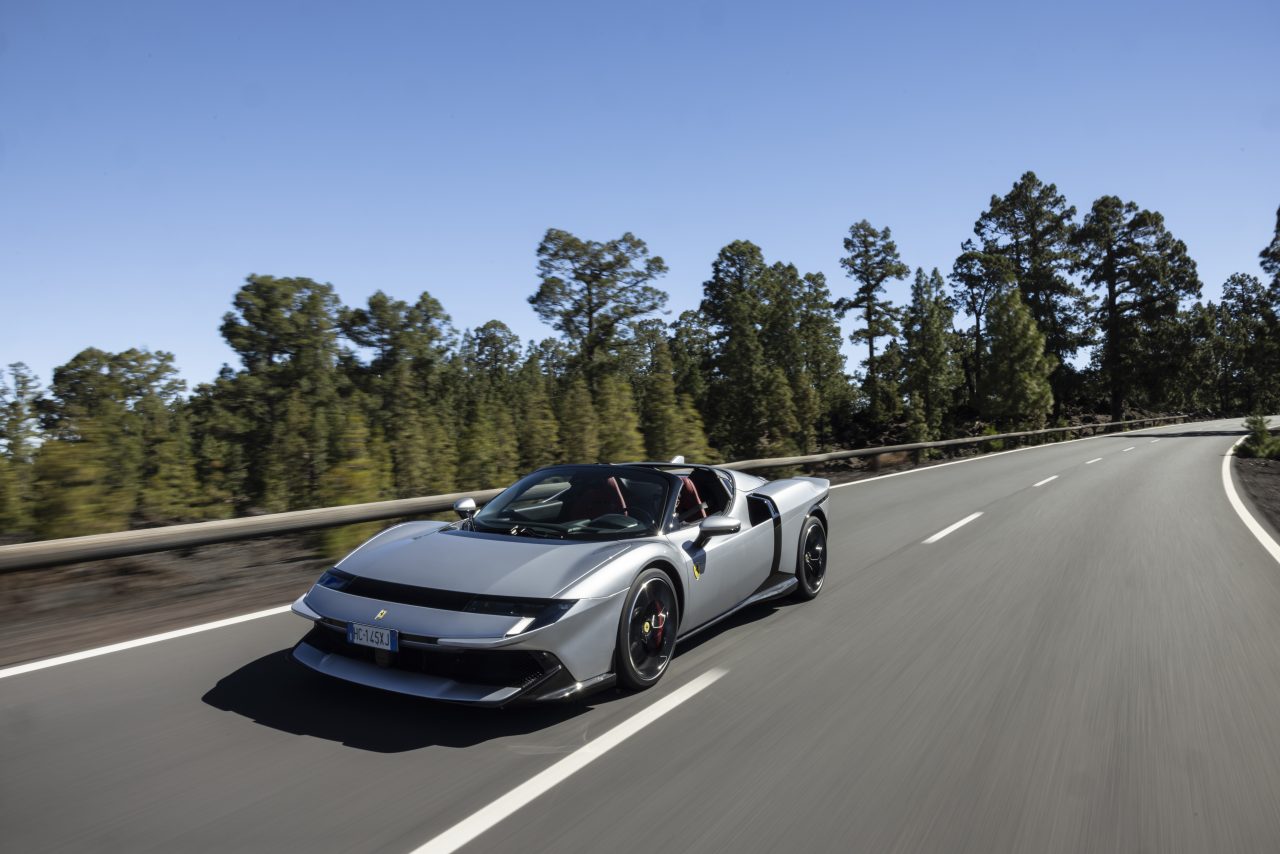
Despite its massive size and impressive performance, the 849 is surprisingly easy to drive. The steering is responsive, the brakes inspire confidence, and the low seating position allows the driver to have a keen sense of the relationship between the car and the road.
The road conditions in Tenerife offer few opportunities to safely and responsibly test the car's true limits. Instead, it demonstrates another capability: performing exceptionally well even when operating far below its performance ceiling. It can be driven with restraint without becoming tedious; it can travel long distances without exhausting its passengers. It is this balance that tightly links the 849 to the previous Testarossa series.
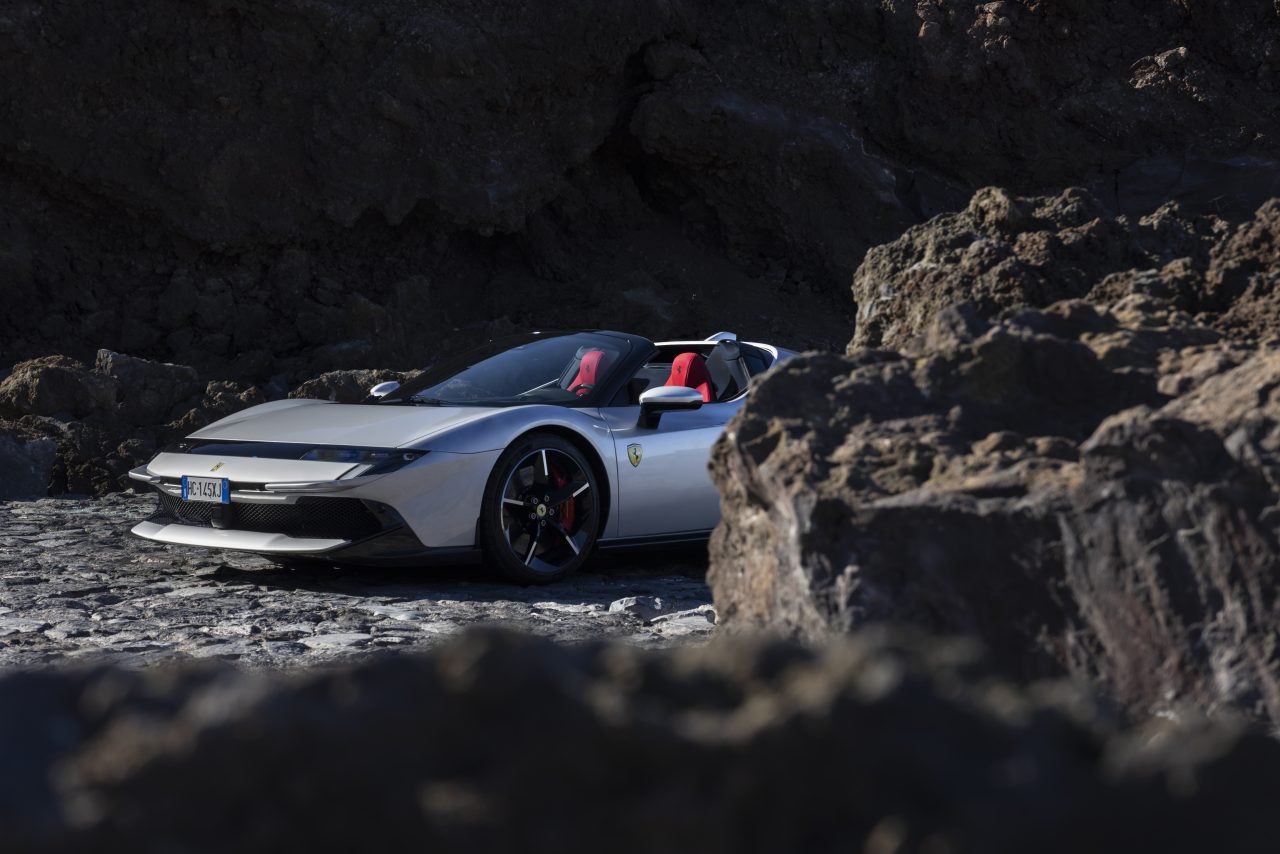
A new continuation of the Testarossa spirit
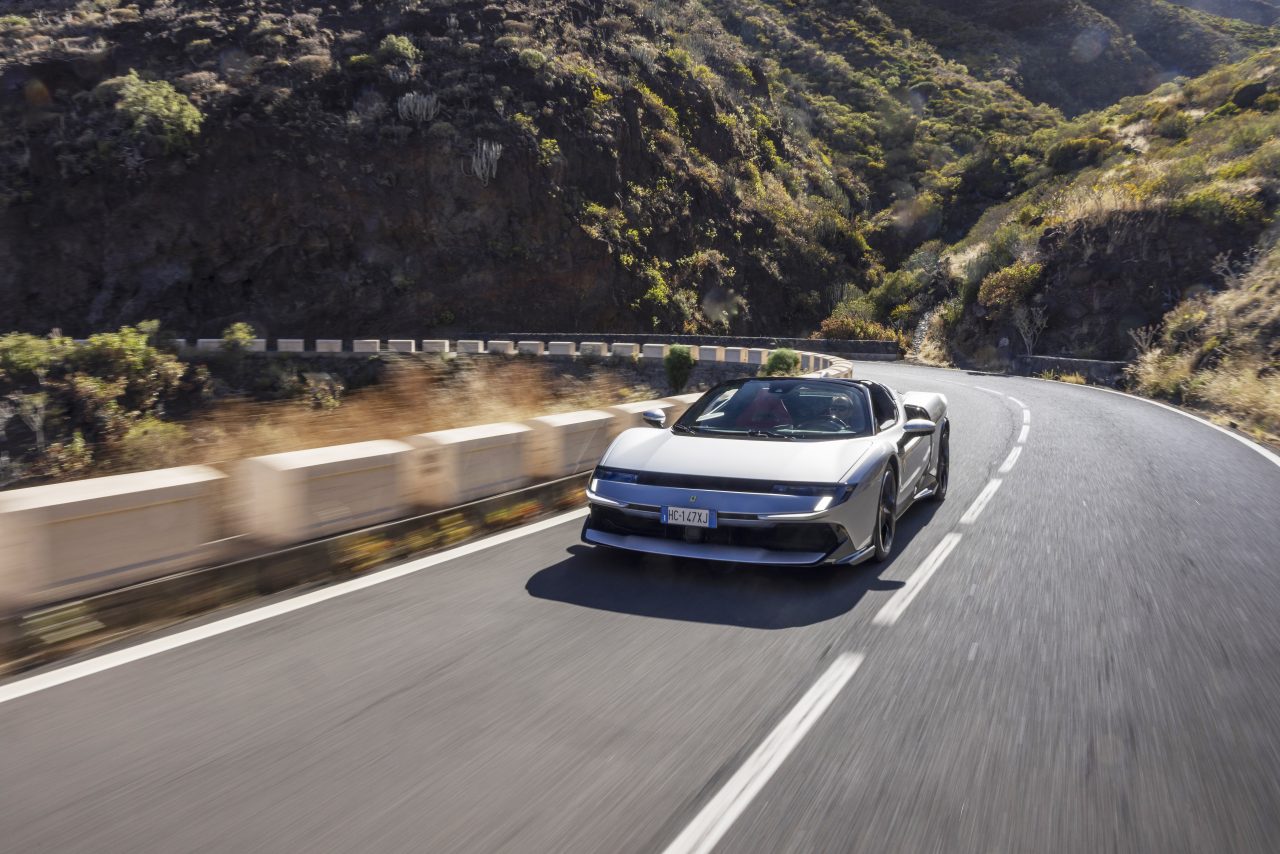
The original Testa Rossa race car conquered the endurance racing circuit with the most advanced technology of its time; the 1984 Testarossa brought Ferrari's V12 tradition to a new generation. The 849 Testarossa Spider continues this same philosophy. Its hybrid system is not a denial of Ferrari's tradition, but rather a latest answer to "what truly defines Ferrari."
The post "The return of the Testarossa – Testarossa Classic Return" first appeared on Pure Luxury Magazine .
The Ferrari 849 Testarossa Spider inherits the most iconic and significant name of the Maranello, ushering in a new era of electrified performance. Tenerife, Spain—Ferari never names its cars arbitrarily. Some names represent a place, a race, or an engineering concept; others symbolize an era in the brand's history. "Testarossa" clearly combines both—it has journeyed from the racetracks of the 1950s to the 1980s…
The post "The return of the Testarossa – Testarossa Classic Return" first appeared on Pure Luxury Magazine .
")%]
