
While most design firms are still chasing visual styles and decorative vocabularies, Mason Studio quietly goes against the grain. They don't talk about trends, don't presuppose styles, and don't treat spaces as product showcases. In their work, you won't see deliberately constructed design language, but you can clearly feel the designer's emotions. This Toronto-based design firm, Mason Studio, was co-founded by Stanley Sun and Ashley Rumsey. Stanley, who has recently made a name for himself in the global design scene, excels at weaving art, emotion, and social context into spatial narratives. His designs are not just "beautiful," but more like an intimate act of observation. He believes that the designer's responsibility is not to create visual surprises, but to help people find their true selves in space.
At the heart of all this lies a tool often underestimated yet dominant in shaping the ambiance of a space: color. For Mason Studio, color is not decoration, but a psychological language. They firmly believe that color can evoke emotions, recall memories, and guide interaction; color can soften a space or imbue it with power. Stanley has long studied how color influences bodily perception and emotional responses, transforming this color philosophy into practical strategies that make spatial surfaces organic and fluid. This issue of *Supreme* magazine features an interview with Stanley Sun, co-founder of Mason Studio, a creator who bridges design, art, and psychology, taking you into Stanley's creative logic and rediscovering how color can become the gentlest yet most powerful design language in our lives.
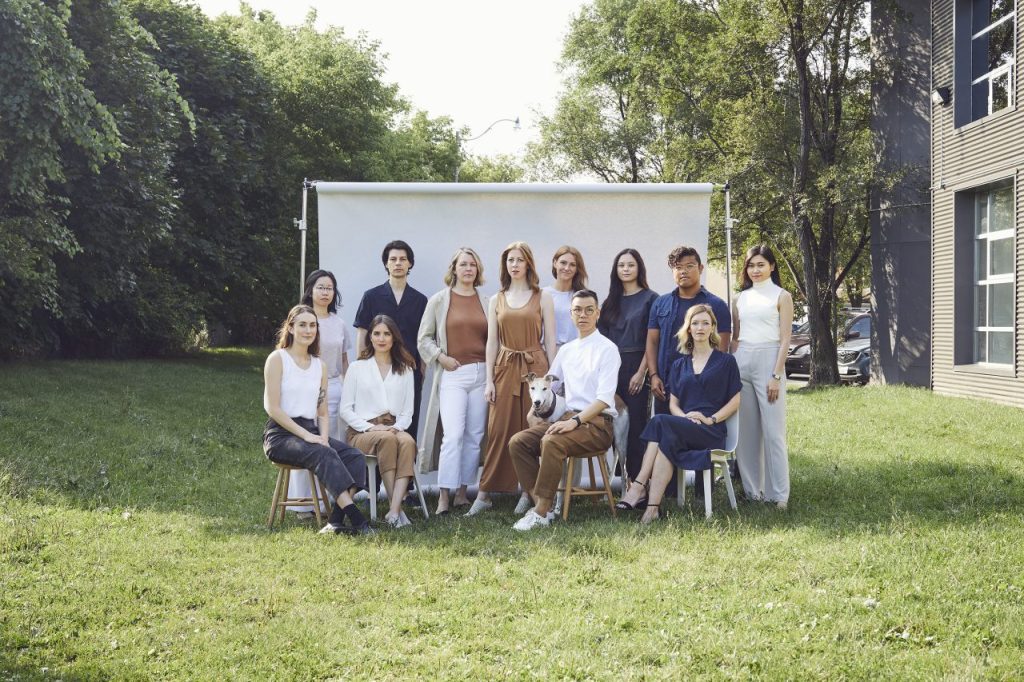
Mason Studio Team
Mason Studio's design philosophy combines artistry with social engagement. What do you think is the role of designers in modern society?
We are catalysts for culture. Designers play a role in connecting personal stories with collective identity. We transform spaces into places with cultural depth, historical significance, and meaning. Designers are also guardians of society. We focus not only on aesthetics but also on ethical sourcing, local craftsmanship, and inclusivity, making design a force for social progress. Furthermore, we are architects of experience. Our mission is to create immersive environments that evoke emotions, stimulate thought, and promote social interaction.
How do you consciously curate artworks and objects so that the space not only displays aesthetics but also tells a story?
Artworks and objects serve as anchors in our narratives. When selecting each piece, we consider its underlying story or symbolic meaning, connecting it to the residents or the location. We use art to construct multi-sensory experiences—not just visual, but incorporating touch, sound, smell, and socio-historical elements—to enrich the language of the space. When artworks are juxtaposed with everyday objects, such as family heirlooms, travel collections, or personal keepsakes, they create a living narrative that is both curated and intimate.
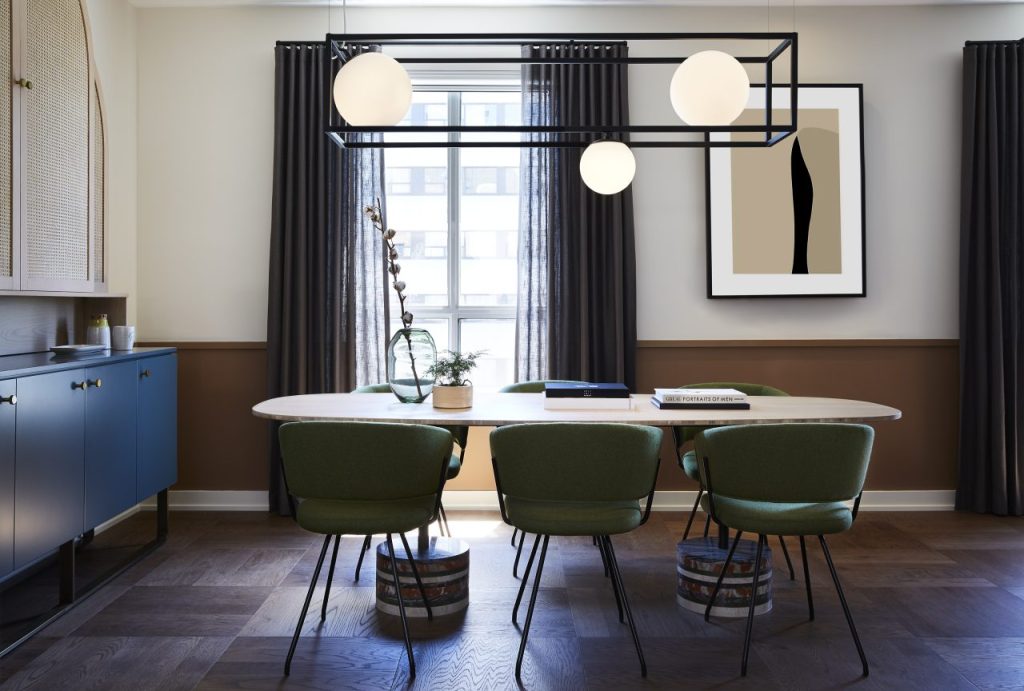
When planning a space, do you start with the story and then select artworks, or do you start with objects to construct the story? How does this process work?
Our process sometimes begins with a story, especially for commissioned projects; other times it starts with a chance discovery of an object, a method more suitable for home design. We make adjustments repeatedly. A found object, or a seemingly small but special detail, can change the original narrative direction. Similarly, a story may lead us to find forms and textures that resonate with it. In collaborating with creators and clients, we gradually piece together the story of the space through shared reactions to artworks and objects. Sometimes we even start from personal experiences, thereby evoking emotional resonance in the users.
What role does color theory play in your designs? How do you use color to convey emotions and even reflect the identity of the residents?
Color itself is emotional. It's not just decoration, but a psychological language—capable of calming, uplifting, or shaping a mood. We believe in the science of color and delve into its potential impact on mind and body. Color also has a cultural context. Different cultures interpret color differently, and we connect our designs to local cultures to create a sense of familiarity. At the same time, we emphasize personal expression. Color can reflect a person's style and emotions, from childlike and mature to experimental; it's an externalization of inner states.
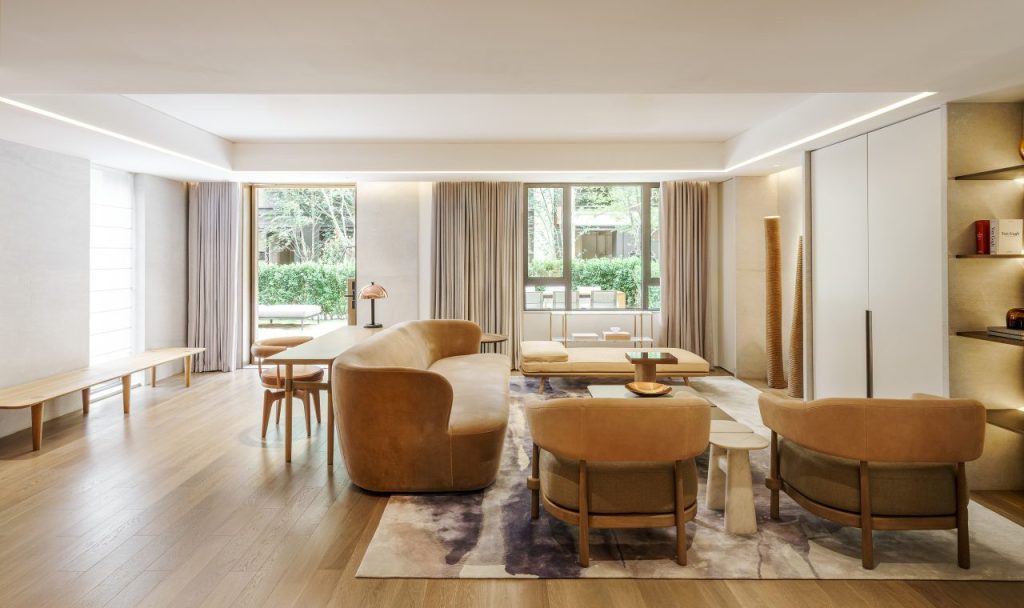
When using color to construct the mood of a space, what color schemes do you most often rely on or prefer? Are there any unconventional approaches?
Our color scheme is based on the spatial context rather than a fixed template. User characteristics, functional needs, and even changes in light throughout the day all influence color presentation. We prefer a classic color palette that reflects the environment. For example, various shades of white absorb and reflect surrounding light and objects, making the space a flexible backdrop. A space facing a garden will naturally be imbued with a unique atmosphere by soft green light, allowing the color itself to become the space's personality. We also employ a "material-first" color strategy, using not only paint but also techniques such as colored plaster and stained concrete to layer colors and textures, making the space more dynamic and varied.
What abilities do you think young designers should possess to stand out in this industry?
Interdisciplinary skills are essential. Understanding technology, science, art, sustainability, narrative, and business is crucial for navigating the contemporary design environment. Empathy is also indispensable. Good design stems from a deep understanding of the user's emotions and needs, not just their preferred colors or styles. We believe designers must be value-driven professionals. Young designers should express their beliefs in their work. There are too many "beautiful" designs on the market today, but without a core value, they are merely empty shells. Truly lasting and resonant works possess depth, thought, and warmth.
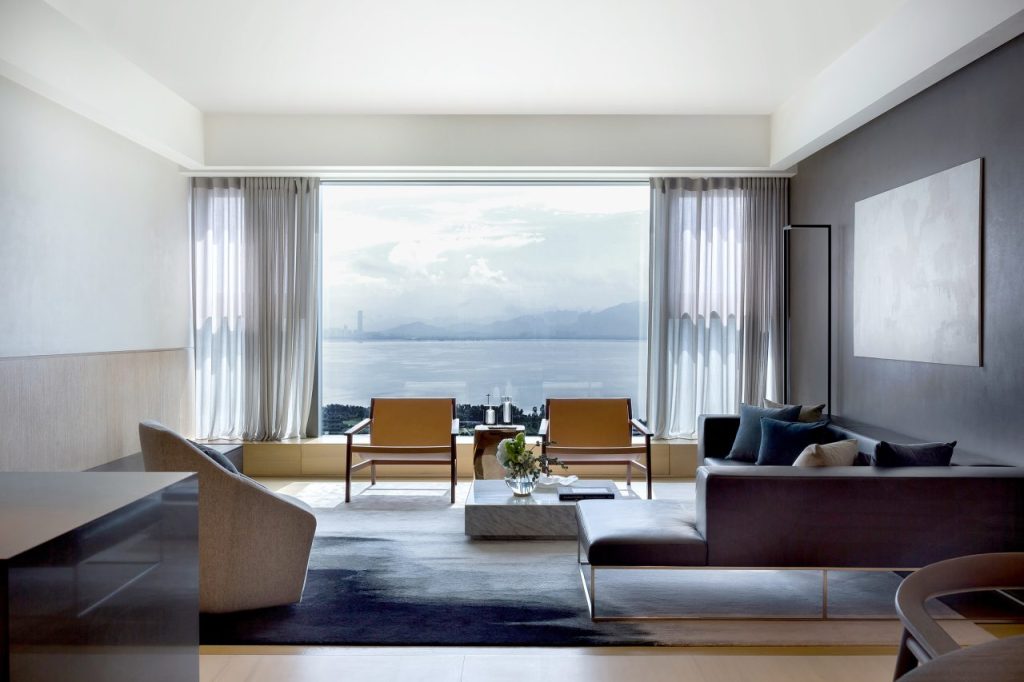
You often collaborate with creative individuals from different fields. What challenges and benefits does this cross-disciplinary collaboration bring to the design process?
The biggest challenge lay in "language translation." Designers, architects, engineers, scientists, artists, suppliers, and others, while sharing similar goals, had vastly different processes. We had to ensure that every participant was fully engaged and aligned with the same direction at every stage. But the rewards were immense. We sparked unexpected innovations from different perspectives, producing sculptural spaces and performance-oriented furniture—this kind of synergy is the most fascinating aspect of cross-disciplinary collaboration.
You mentioned that a space should reflect the personality of its inhabitants. How would you guide someone who is unsure of their own style to get started?
Start with "What you don't like." Many people find it difficult to articulate what they like, but it's easier to identify what they don't want. Eliminating discomfort helps define the boundaries of the design. Next, start with "feelings." What do you want this space to make you feel? Calm, vibrant, safe, confident? When you can describe your ideal emotional state, your style will naturally emerge. Finally, observe spaces you like. From hotels and restaurants to friends' homes, write down anything that evokes a feeling. Over time, you'll find recurring elements: light, materials, color schemes, circulation, etc.—these form the foundation of your personal style.
Many people find it difficult to strike a balance between style and practicality in home decor. What advice would you give them to find the right balance between style and practicality?
First, clarify "what is important." Functionality isn't just about practicality; it can also be emotional. Some decorative items may lack practical function but carry memories or a sense of identity. Once these core objects are identified, the rest of the design should revolve around them. Design can have rhythm. When a space feels stagnant, make small adjustments according to the season or your mood, letting familiar items change location or context to revitalize them. Finally, edit the space with "warm minimalism." It's not about emphasizing extreme simplicity, but about eliminating the unnecessary and retaining the essential. Whether you prefer minimalism or richness, the standard should be "comfort," not trends or rules.
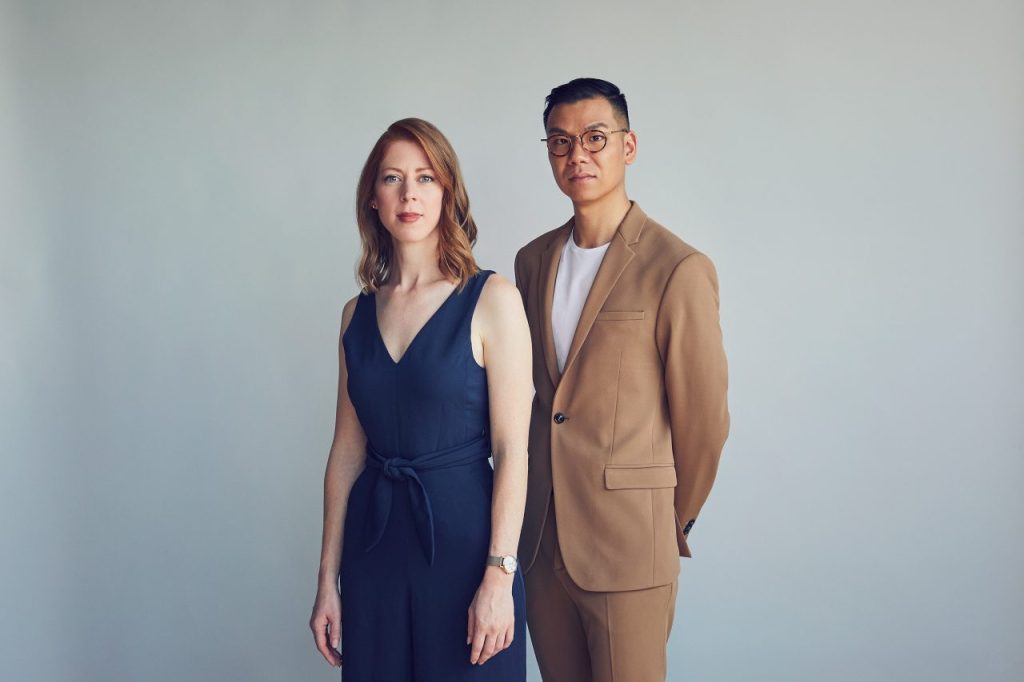
Ashley Rumsey and Stanley Sun (from left to right), founders of Mason Studio
