
The Amazon rainforest has always been called the “lungs of the earth.” However, the ecological circle of the entire earth is of course far more than that. In addition to common ecosystems such as forests, grasslands, and wetlands, there is another ecosystem that is crucial to life on earth, and that is the heart of the earth—the ocean. This time, let us approach the Galápagos Islands (Galápagos Islands), which is known as the “living biological evolution museum and showroom”. It is at the confluence of three ocean currents and is a “melting pot” of marine life. The current landscape of the archipelago reflects the continuous seismic and volcanic activity in the past. Geological activities combined with the isolated geographical location of the archipelago have led to the evolution of many exotic animal species in the archipelago. The Galapagos Islands even inspired British naturalist Charles Darwin, who traveled to South America in 1835 to conduct natural surveys. The ecology of the Galapagos Islands made him rethink biological evolution. , which in turn became the beginning of Darwin’s “Origin of Species” published more than 20 years later.
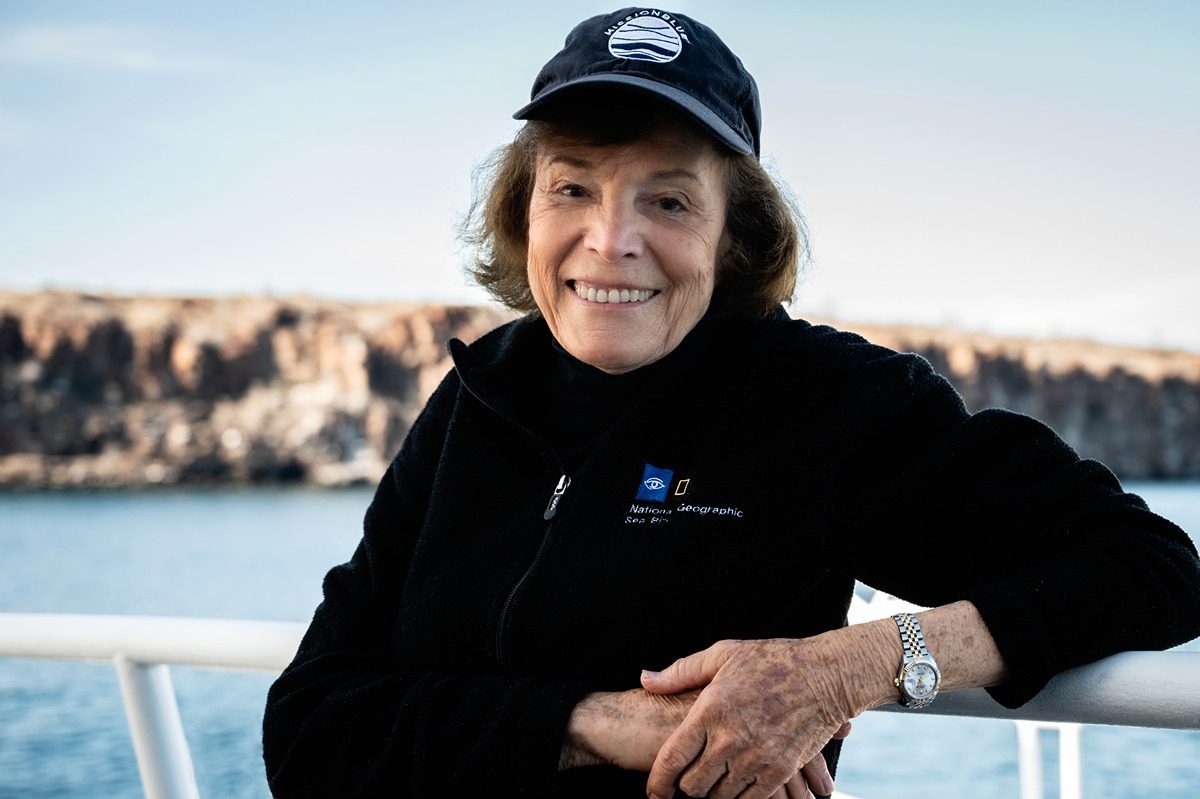
Biologist and explorer Sylvia Al
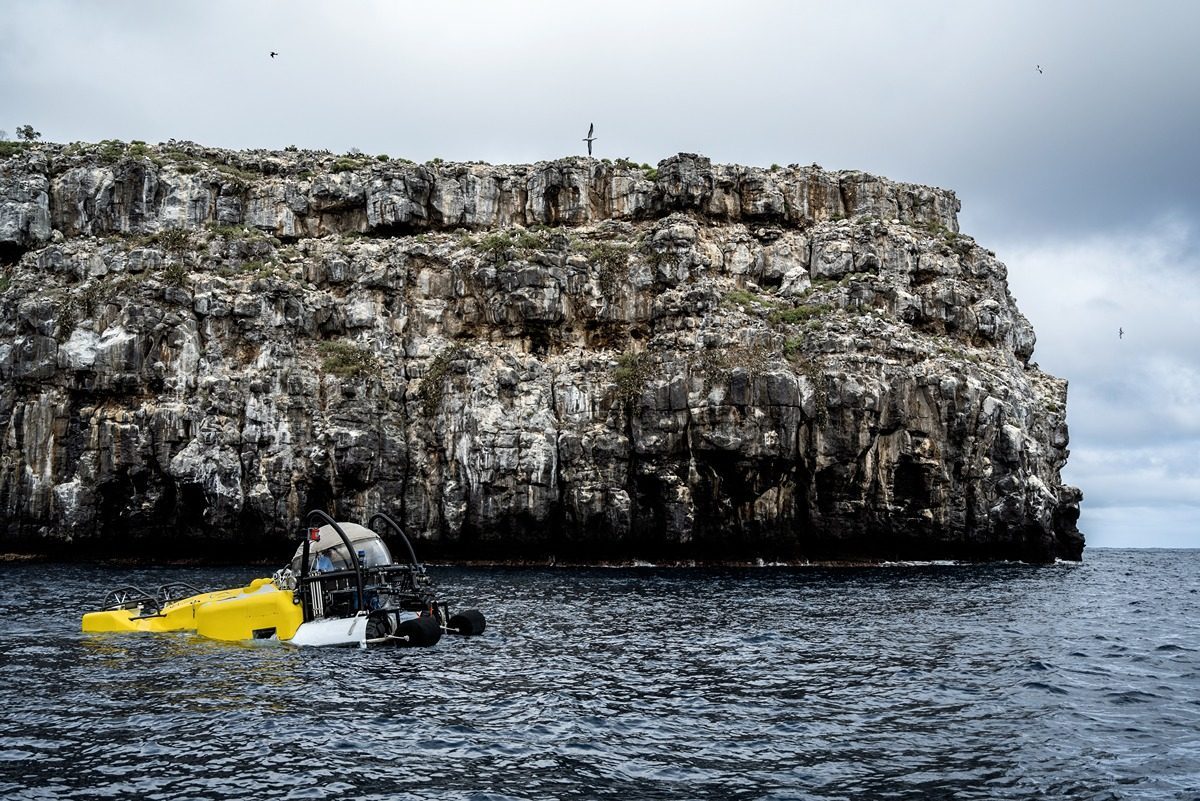
In 2022, the “Mission Blue” will observe the Galapagos Islands on the spot, and the DeepSee submersible will float on the shore. Sylvia Aire and like-minded scientists use submersibles to peer into the ocean depths to learn about the rich marine biodiversity here.
The rich and unique ecosystem makes the Galapagos Islands home to plants and animals found nowhere else on earth, giving it a unique allure. The influx of tourists to the archipelago has brought about species invasions, and the pressure on local resources has become increasingly heavy. In 1998, Ecuador established the Galapagos Marine Reserve, which covers 133,000 square kilometers of water in the archipelago. However, much work remains to be done to ensure that humans use the archipelago’s resources in a sustainable manner in the future. In 2010, renowned marine biologist and explorer Sylvia Earle listed the Galapagos Islands as one of the first “Hope Points” under the marine conservation plan “Mission Blue”. Spots)”. The site’s rich biodiversity makes it easy to see how action can be taken to save oceans from man-made damage. Rolex supports Mission Blue through the Perpetual Planet program, helping to realize its vision and building a network of Points of Hope around the world.
“Mission Blue” is an initiative to explore and protect the oceans, with the aim of broadly applying the concept of “Hope Points” to form a network of marine protected areas around the world. Under the leadership of founder Ayre, the team conducts regular ocean expeditions to reveal these important ecosystems, and seeks support for the protection of these systems, similar to the Rolex ‘Protect the Earth, Keep Moving’ program. At the same time, Mission Blue supports the work of similar conservation NGOs whose mission is to build public support for ocean conservation. With the efforts of the team, “Hope Points” have gradually become a reality, and they are forming paradises scattered all over the ocean that are crucial to the conservation of marine life.
In a recent interview, Al shared with us why she chose to protect the oceans as her life’s work.
At the age of three, Al was first knocked over by a wave on a beach in New Jersey. At this point, the boundless and charming ocean caught her attention. Al’s growing interest in the ocean, and the flora and fauna that live in it, is the real reason for her obsession with understanding and exploring it. Al moved with her family to the west coast of Florida when she was 12 years old, where she found horseshoe crabs. It felt like meeting like-minded “neighbors”! In fact, before she knew the professional title of “ecologist”, she already had the goal of becoming an ecologist. With the encouragement of his parents, Al has always been full of curiosity and desire to explore the ocean, and eventually became an ocean explorer.
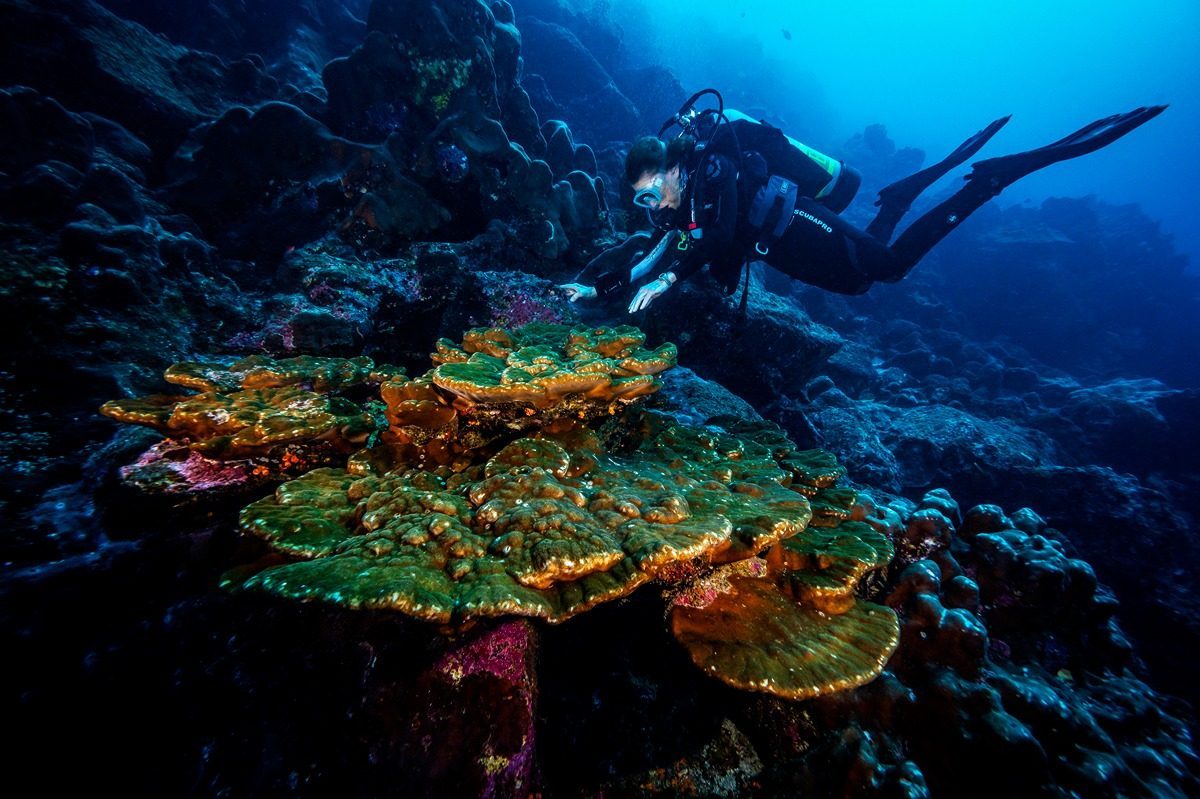
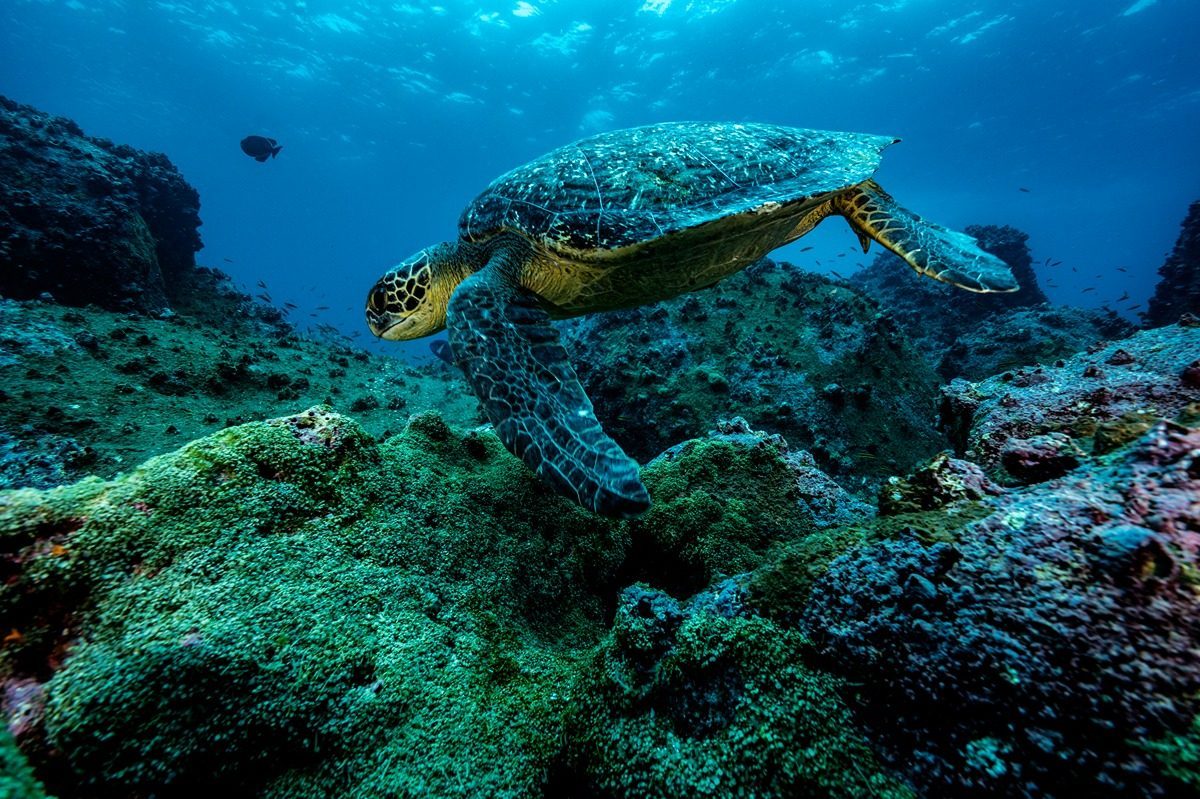
Rolex spokesperson and founder of “Mission Blue”, Silvia Aire dives in the coral reef wonders of Hope Point in the Galapagos Islands in 2022. The Galapagos Islands inspired her “Hope Points” project.
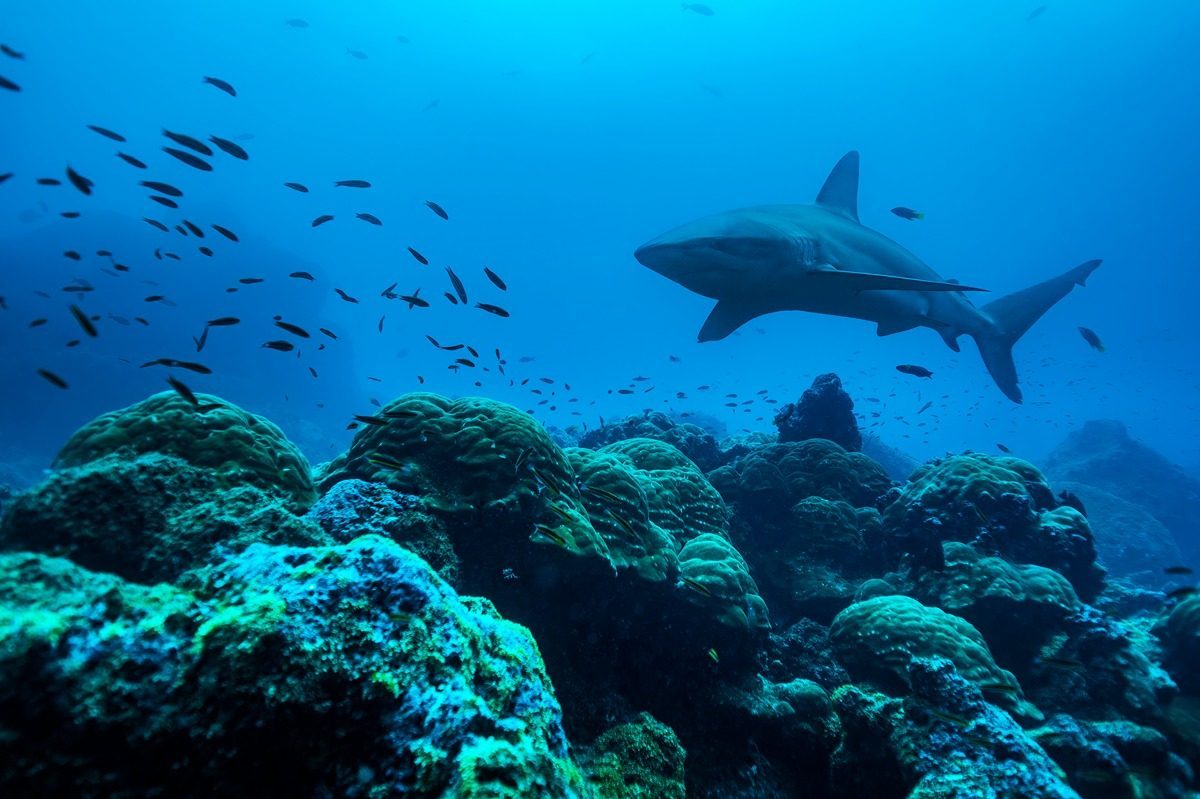
As he explored the ocean deeply, Al discovered that the blue heart is as fragile as it is beautiful. She said: “Since I explored the ocean as a young scientist in the 1950s, people have learned more about the nature of the ocean and its importance to everyone, everywhere, but at the same time, the ocean has lost There is more stuff than at any point in human history.” Ayer found that nearly half of coral reefs, kelp forests, mangroves and coastal marshes have disappeared, and around 90 percent of many species of wild fish worldwide have either disappeared or experienced severe decline. Tuna, especially bluefin tuna, has been hit hard by its high value in the luxury market. The chemistry of the oceans is changing due to excess carbon dioxide forming carbonic acid in the oceans, combined with land-based toxics and waste being deliberately discharged into the oceans or drained from groundwater and rivers.
Of course, in the face of crisis, ocean conservation is also full of exciting news. Ayer worked hand in hand with a team of scientists from multiple institutions to jointly observe the “Hope Point” of the Galapagos Islands on the spot in 2022, successfully completing a two-week scientific expedition. Mission Blue and like-minded organizations also successfully petitioned the governments of Ecuador and Costa Rica to create the world’s first bilateral marine protected areas: a single protected ocean linking the Cocos and Galapagos Islands The swimming channel in the sanctuary, where marine life can swim freely. Recent studies have shown that at least five endangered marine species – whale sharks, leatherback sea turtles, green turtles, silky sharks and scalloped hammerhead sharks – use the lane to migrate between protected areas.
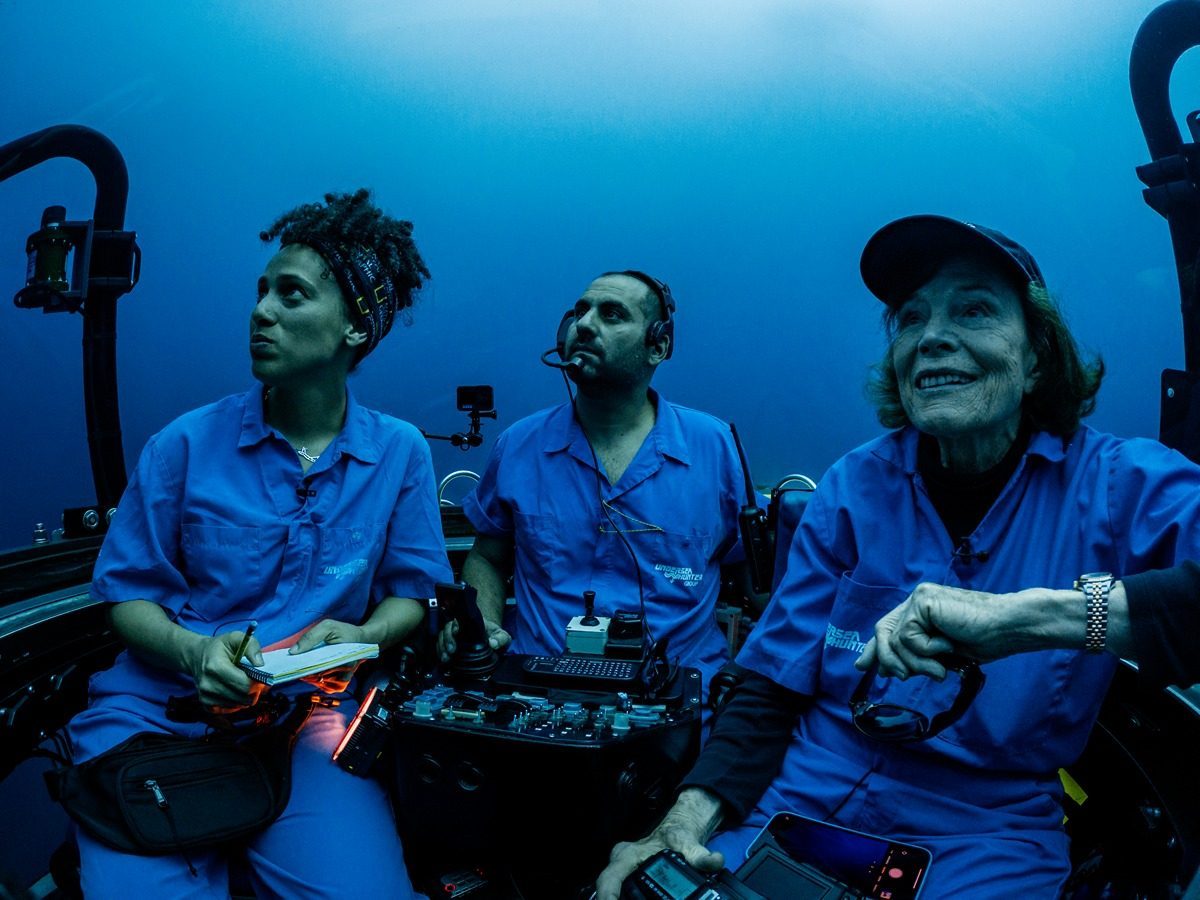
Al (right) and Dr. Salome Buglass from the University of British Columbia took the DeepSee submersible to dive into the waters of the Galapagos Islands to find deep-sea kelp, which is considered to be the first species discovered in human history .
Ayre has been working with Rolex since 1970 and has been a Rolex spokesperson since 1982. The Rolex watch was Ayre’s partner when he participated in the “Tektite II” research project in 1970 and lived in the submarine laboratory for two full weeks. She shared with us: “Since then, the interests of Rolex and I have become more and more aligned. Rolex is a company that respects exploration, education, the natural world, and has a way to support outstanding people and organizations that use science to understand the world. environmental challenges and develop solutions.”
At the end of the interview, Al said: “Even if you have never seen or touched the ocean, the ocean will touch your life with every breath you take, every drop of water you drink. Similarly, anyone, anywhere Every action you take ends up having an impact everywhere. Even small things – like the harmful material you flush down the drain that ends up in the ocean, or the choices you make about what to eat and what not to eat. No One can achieve all things, but there is something every human being can do to help sustain a planet in constant motion.”
