
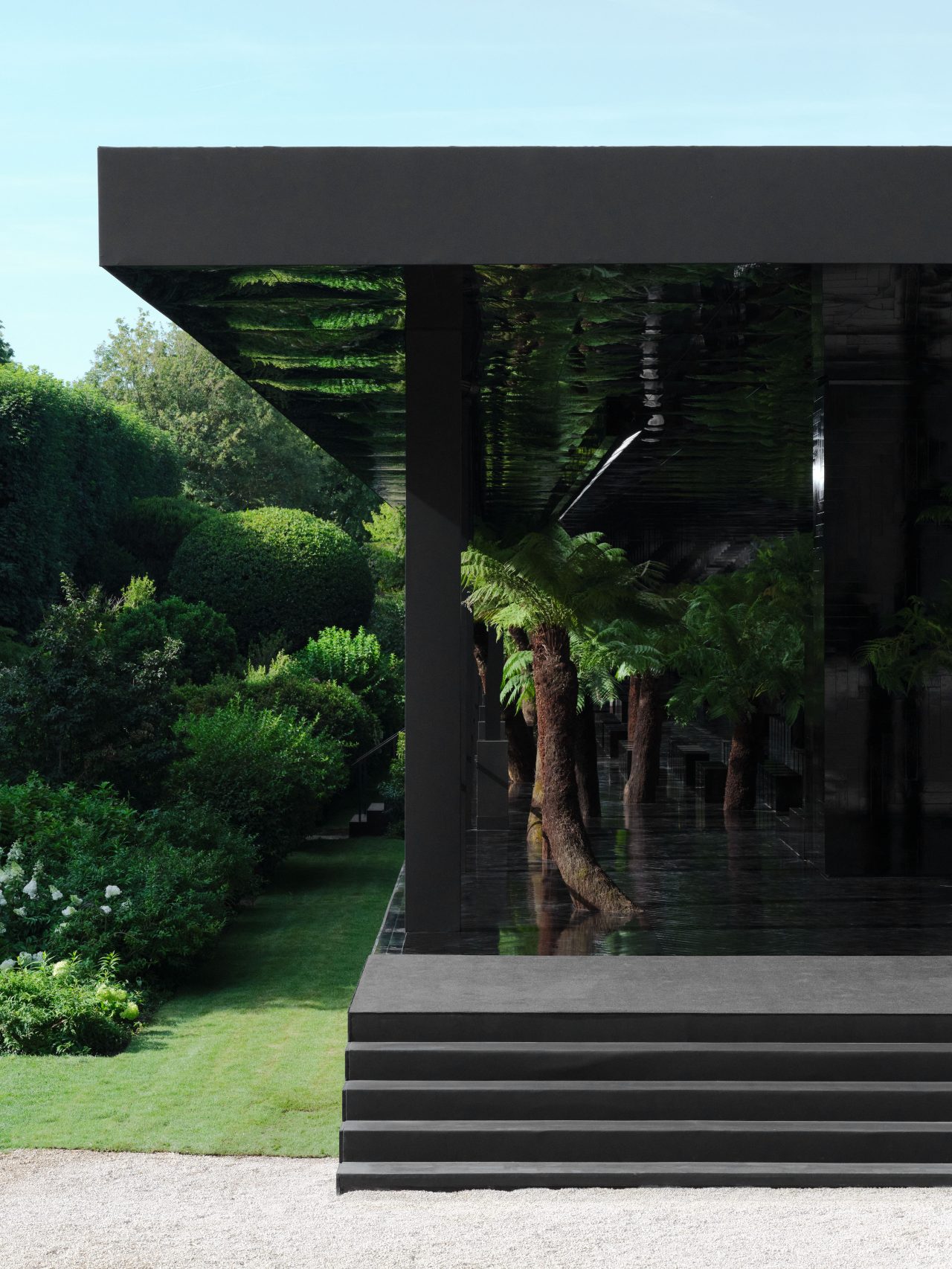
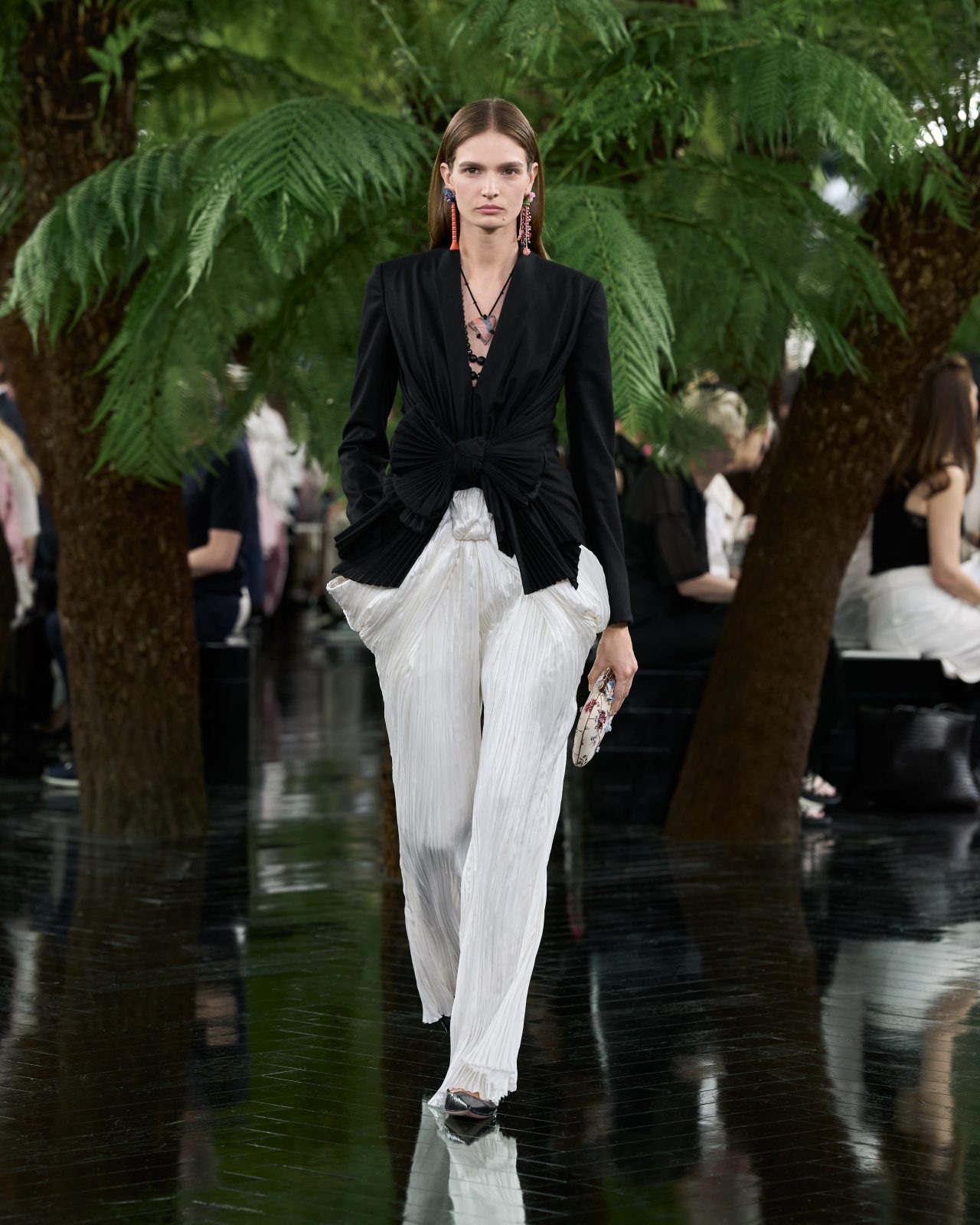
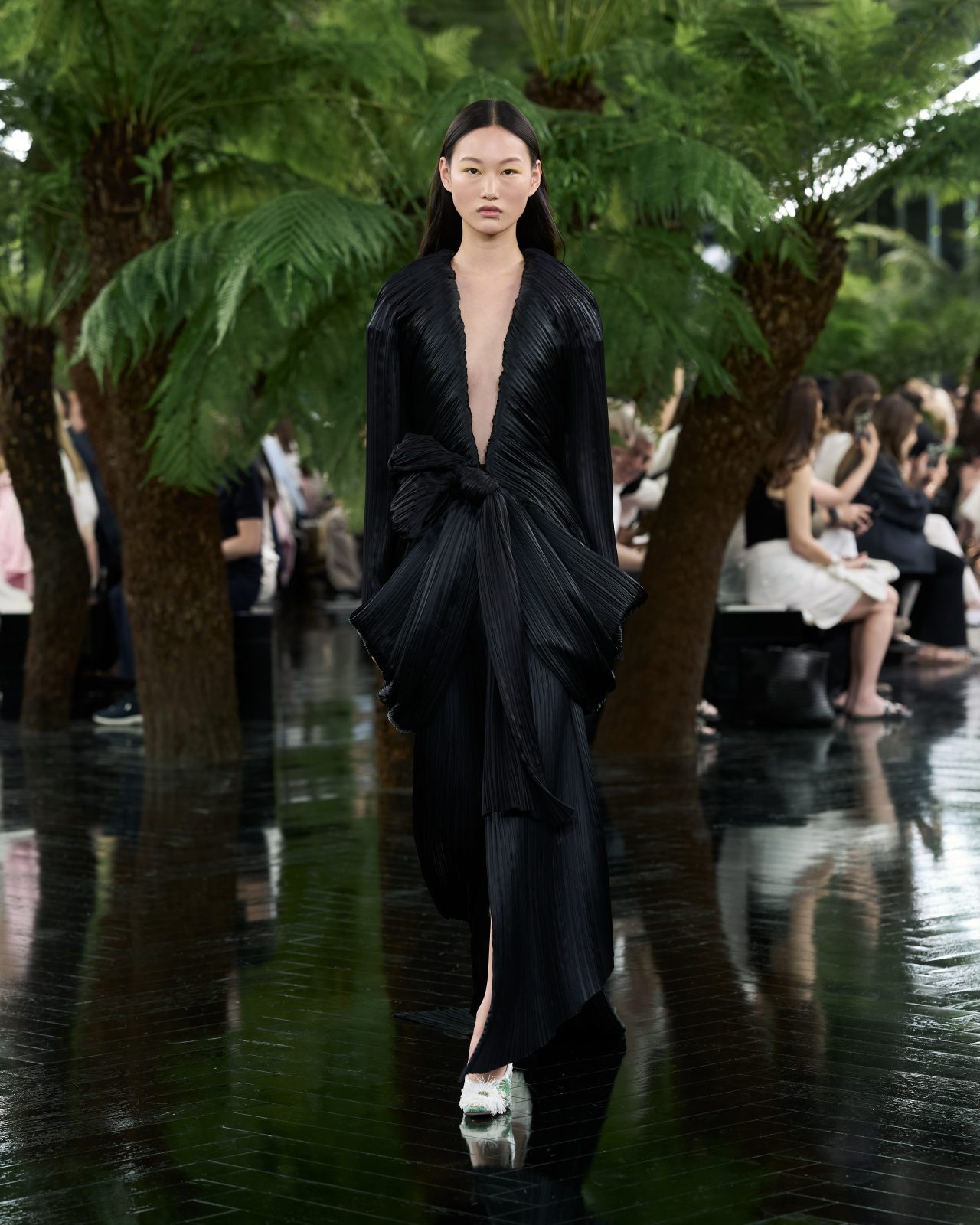
Dior, through the vocabulary of haute couture, responds to the dynamic creative spirit of American sculptor Lynda Benglis. Benglis often begins with flat materials, gradually transforming them into three-dimensional forms through knotting, pleating, and shaping—a concept that resonates with the creative logic of haute couture: a flat piece of fabric is reshaped through precise craftsmanship and structure, ultimately covering the body and establishing a sculptural silhouette. Jonathan Anderson uses this as the starting point for his collection, reinterpreting techniques such as hand-pleating, knotting, and draping, transforming fabric from merely the surface of clothing into a medium for shaping and responding to the body. This collection explores a re-examination of materiality and form from a different perspective. Ultimately, it focuses on the abstract essence within materials and questions: how can reality be created from the abstract?
 Peacock Eye
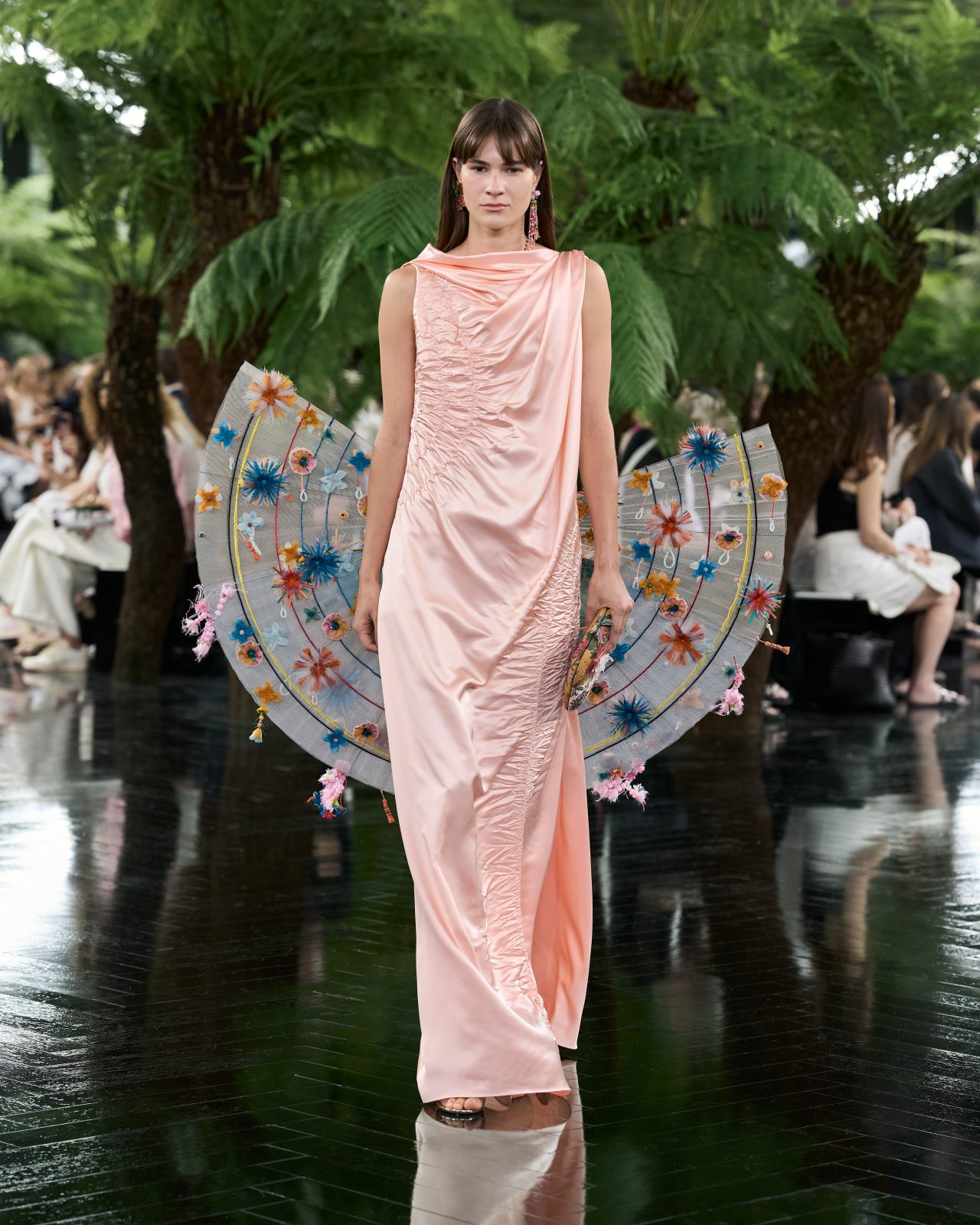
The collection also subtly echoes Benglis's deep connection with Ahmedabad, Gujarat, India. Inspired by the birds she observed during her travels there in the late 1970s, she began creating the Peacock series, interpreting it with vibrant flowers, beads, and decorative elements. From this starting point, Anderson re-examines the decorative and color aesthetics of Indian culture, transforming peacocks, flowers, and beads into a flowing and striking visual language within the collection.
A piece of cloth on a long journey
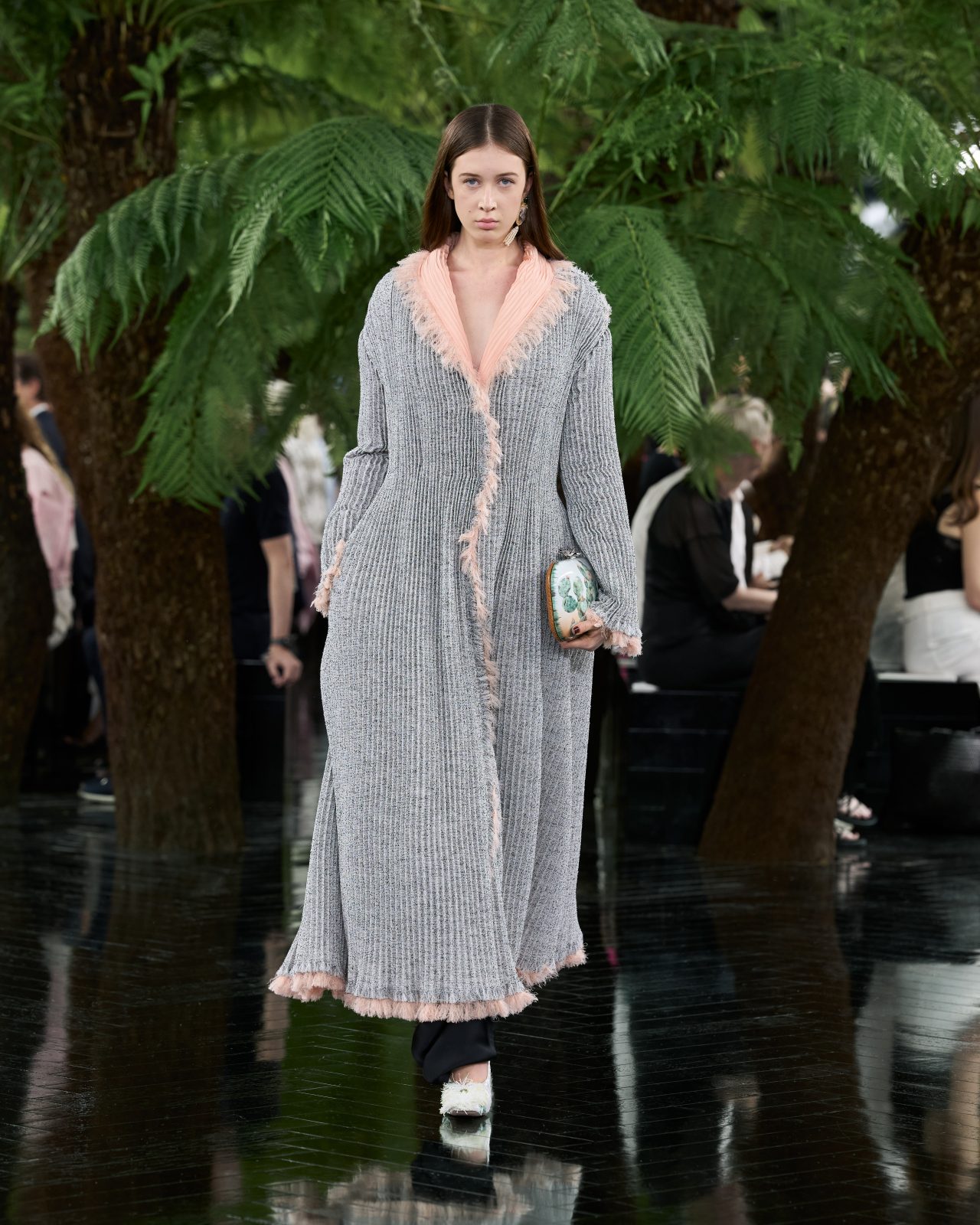
India inspired Anderson beyond just color; he delved deeper into traditional Indian crafts, particularly 18th-century Chintz stained cotton. These exquisite cotton fabrics, combining hand-painting and woodblock printing techniques, were introduced to Europe, profoundly influencing local decorative arts. The collection features antique Chintz and Indiennes fabrics sourced from professional antique dealers, repurposed on the Petit Dîner and mini Lady Dior bags, allowing these historical fabrics to transcend their original era and region, finding new meaning within the context of contemporary haute couture.
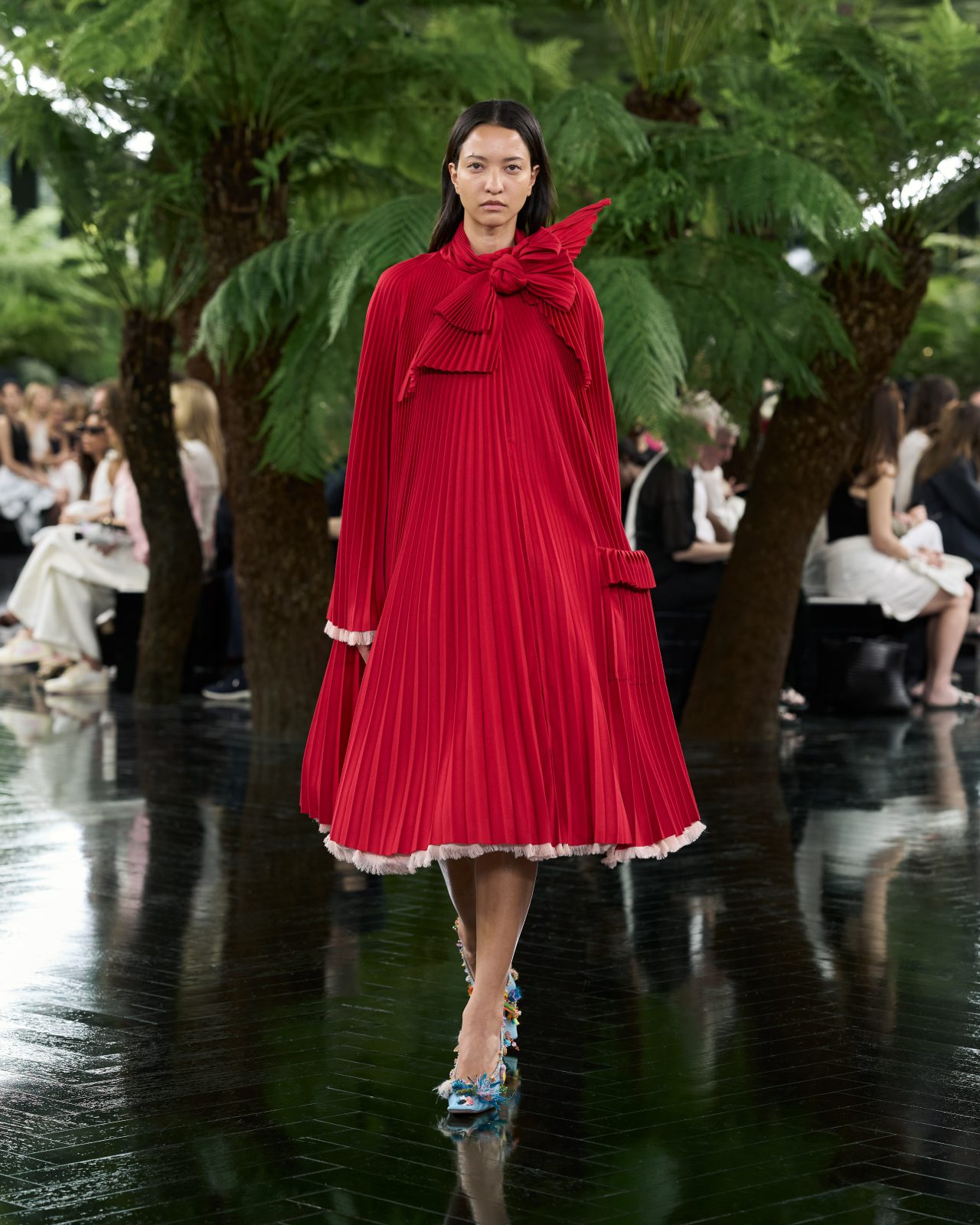
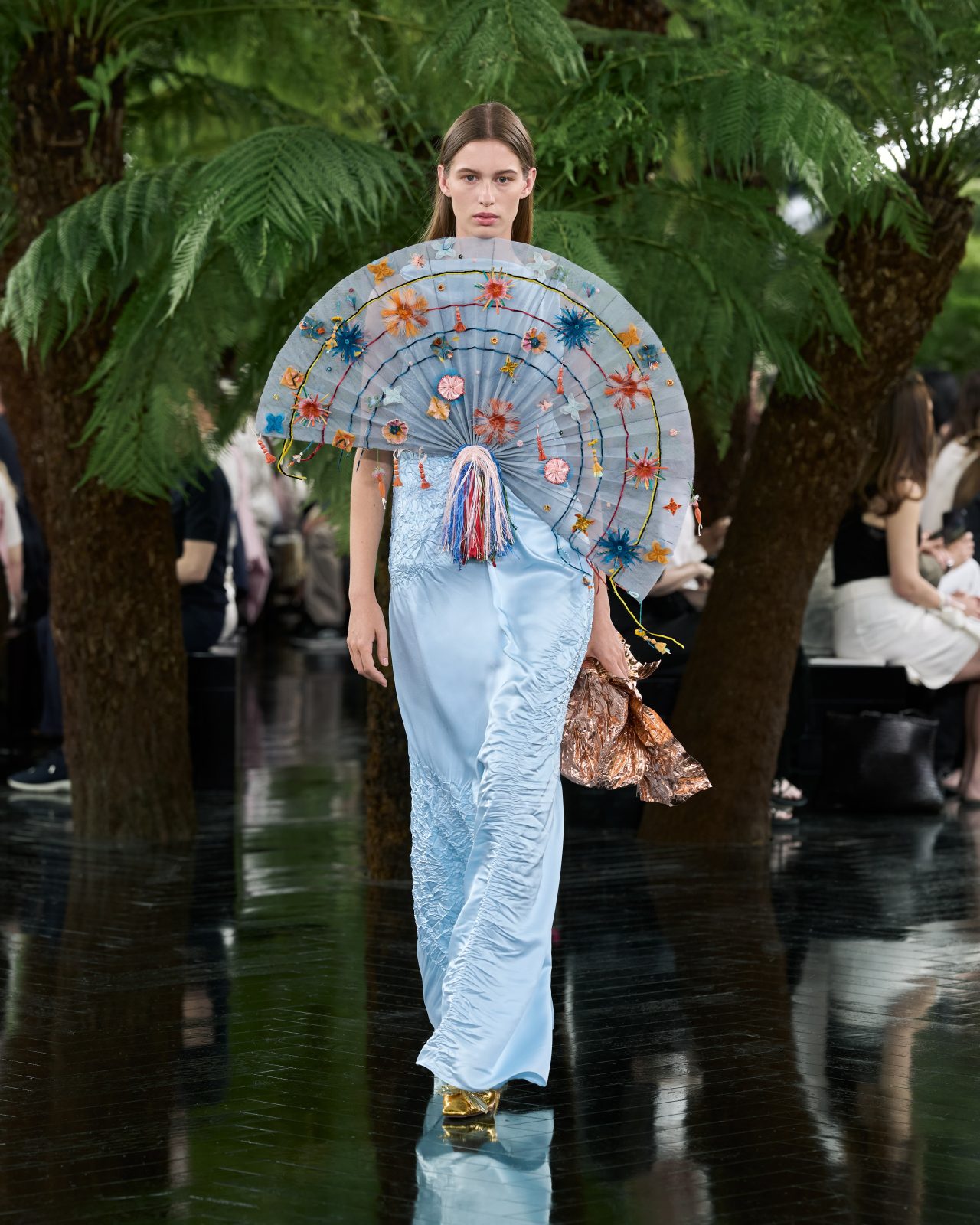
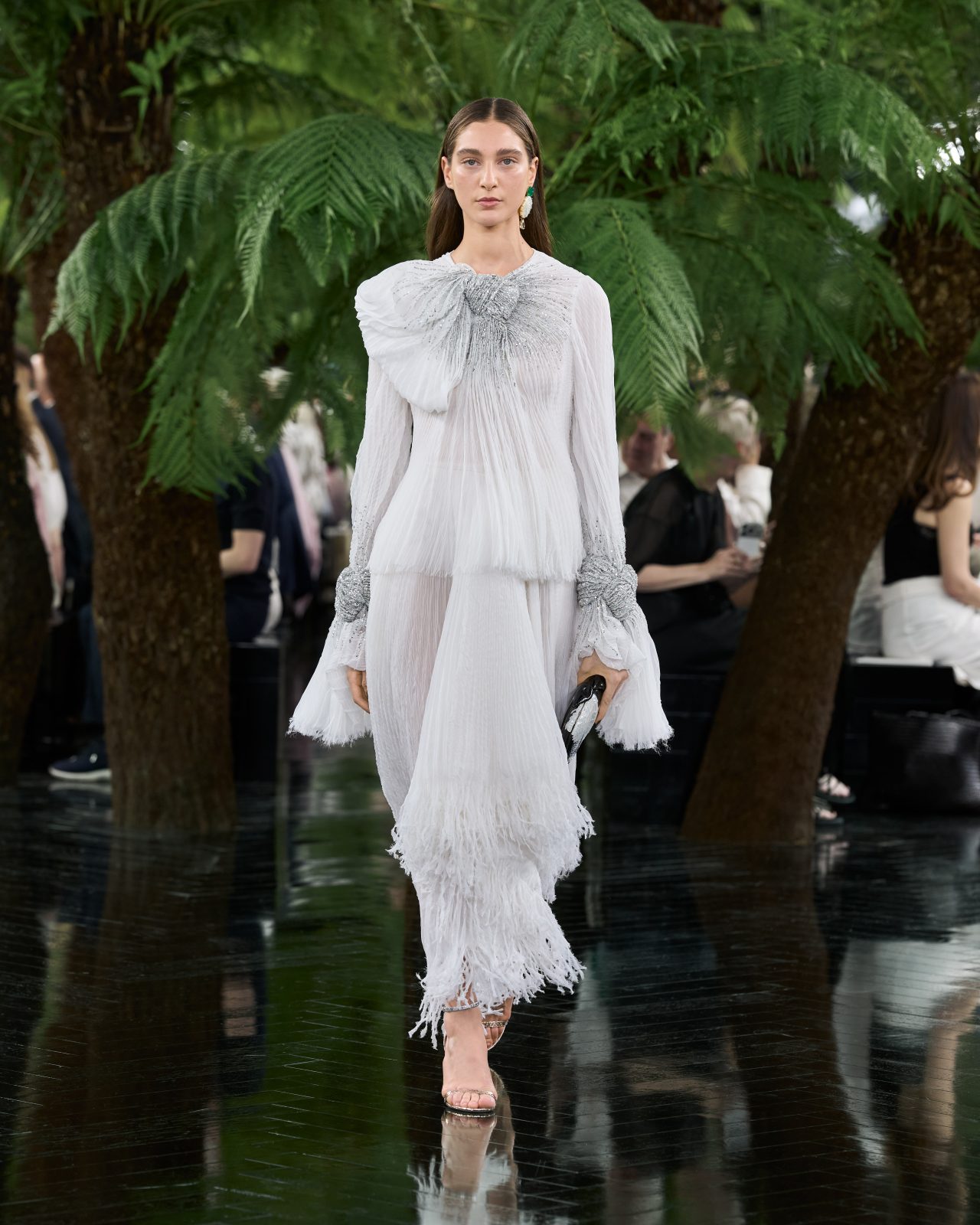
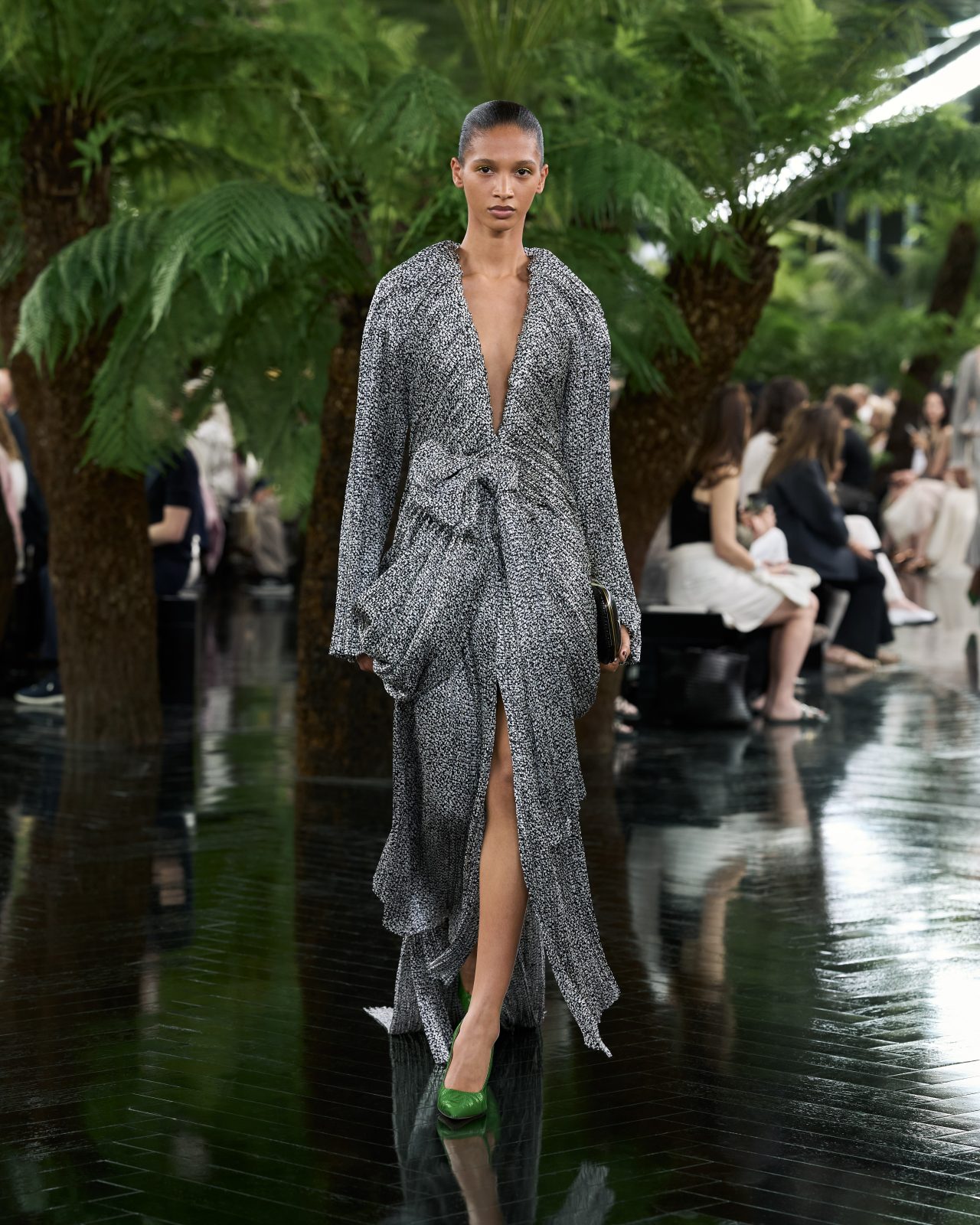
Between two landscapes
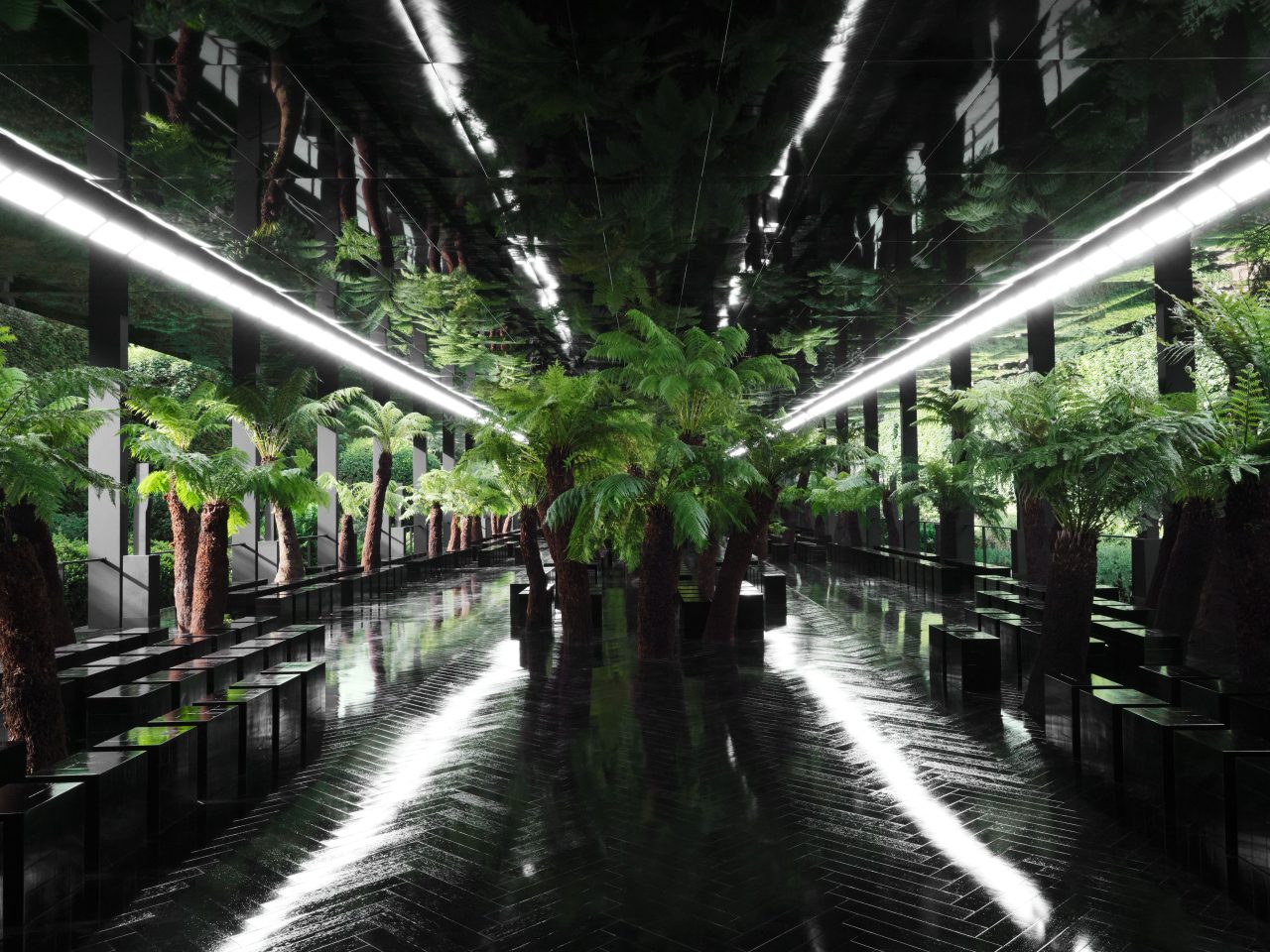
The natural atmosphere of Ahmedabad also led Anderson's experiments down another path. He was fascinated by the contrast between different environments, reflecting the lushness of the Indian landscape with the dry, clear air of Santa Fe, New Mexico, the very place where Benglis has lived and created for many years. One intense, the other serene, these two contrasting natural qualities juxtapose in the collection, ultimately translating into floral language, colors, and three-dimensional forms on the clothing, completing a dialogue between art, craftsmanship, and haute couture.

The post -Forms of Nature first appeared on Pure Luxury Magazine .
Dior, through the language of haute couture, responds to the dynamic creative spirit of American sculptor Lynda Benglis. Benglis often begins with flat materials, transforming them into three-dimensional forms through knotting, pleating, and shaping—a concept that resonates with the creative logic of haute couture: a flat piece of fabric is reshaped through precise craftsmanship and structure, ultimately covering the body and establishing a sculptural silhouette. Jonathan Anderson uses this as the starting point for his collection, reinterpreting techniques such as hand-pleating, knotting, and draping, transforming fabric from merely the surface of clothing into a medium for shaping and responding to the body. This collection explores a re-examination of materiality and form from a different perspective. Ultimately, it focuses on the abstract essence within materials and questions: how can reality be created from abstraction? The Peacock Eyes collection also subtly echoes the deep connection between Benglis and Ahmedabad, Gujarat, India. In the late 1970s, inspired by the birds she observed during her travels in India, she began creating the Peacock series, interpreting them with vibrant flowers, beads, and decorative elements. From this starting point, Anderson re-examined the decorative and color aesthetics of Indian culture, transforming peacocks, flowers, and beads into a flowing and vivid visual language within the collection. A journey of a piece of cloth…
The post -Forms of Nature first appeared on Pure Luxury Magazine .
")%]
