
Nearly thirty years after leaving Fendi, Maria Grazia Chiuri returned to the company where she had worked for a decade, moving from a key figure in accessories design to her current role as creative director, redefining the brand’s language. The Fall/Winter 2026 ready-to-wear show was a performance exploring how the brand’s history, family spirit, and female perspective converge once again. For Maria Grazia Chiuri, feminism is never just a slogan, but a reflection on how to truly make clothing resonate with the wearer.
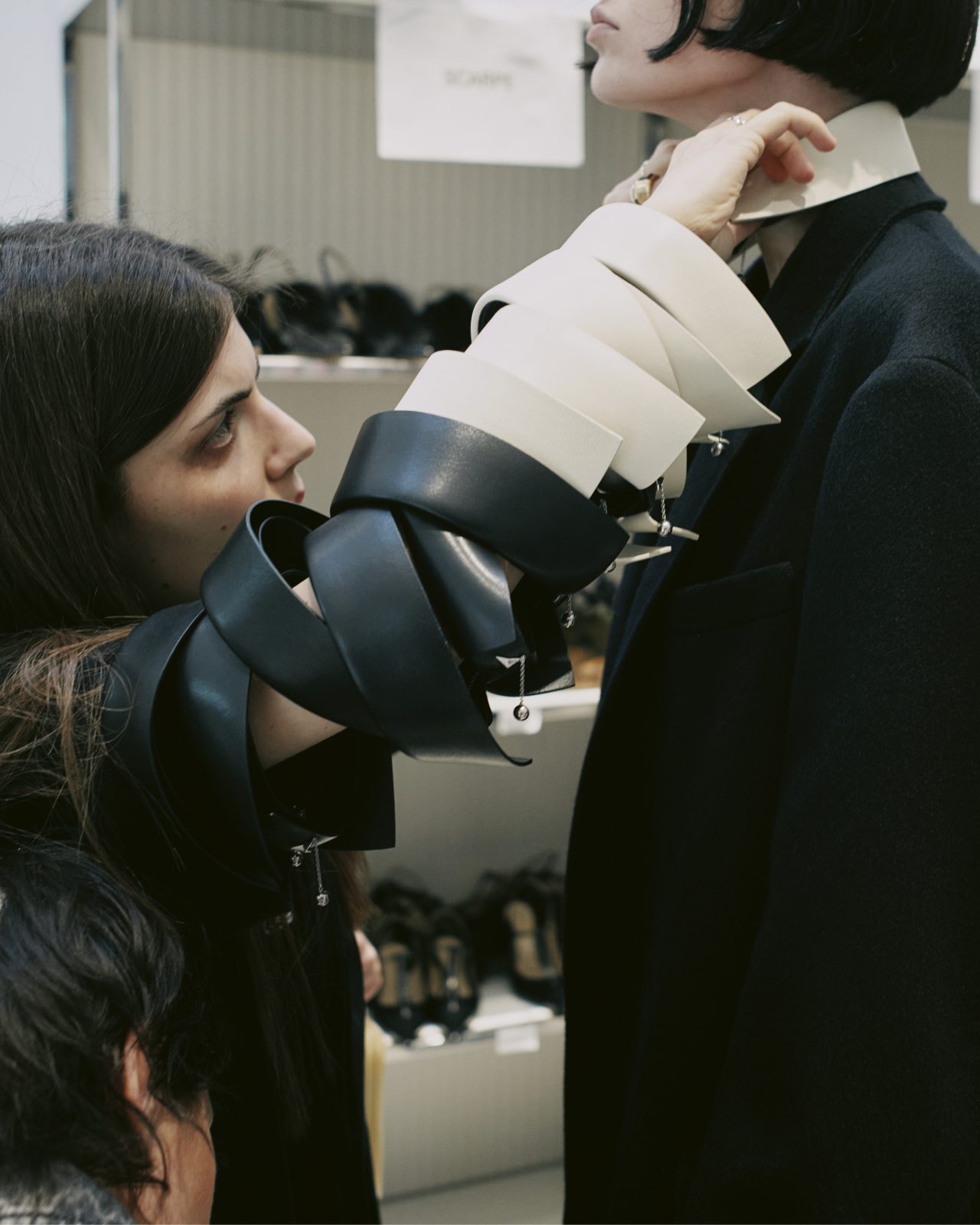
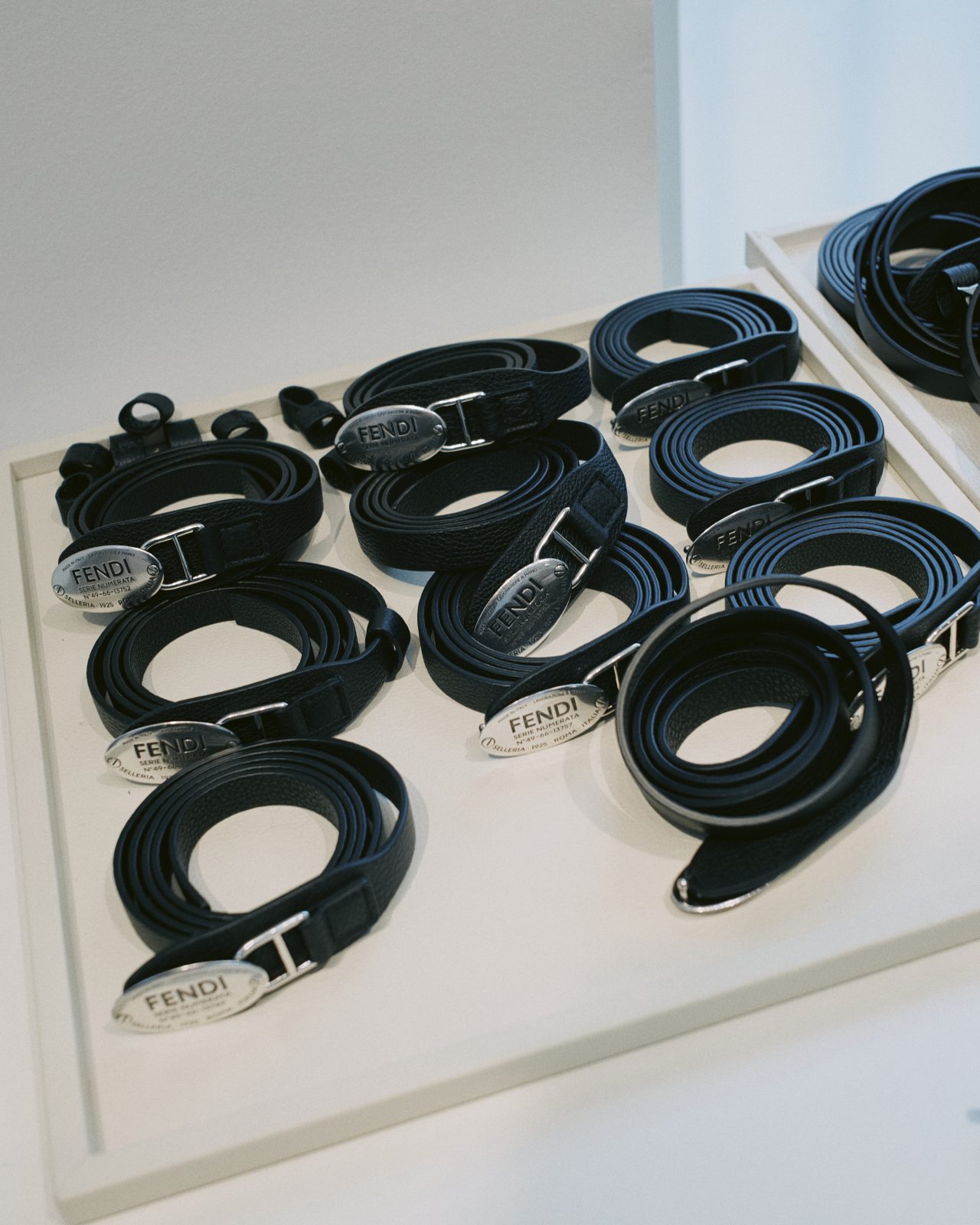 Formal wear and soft materials coexist
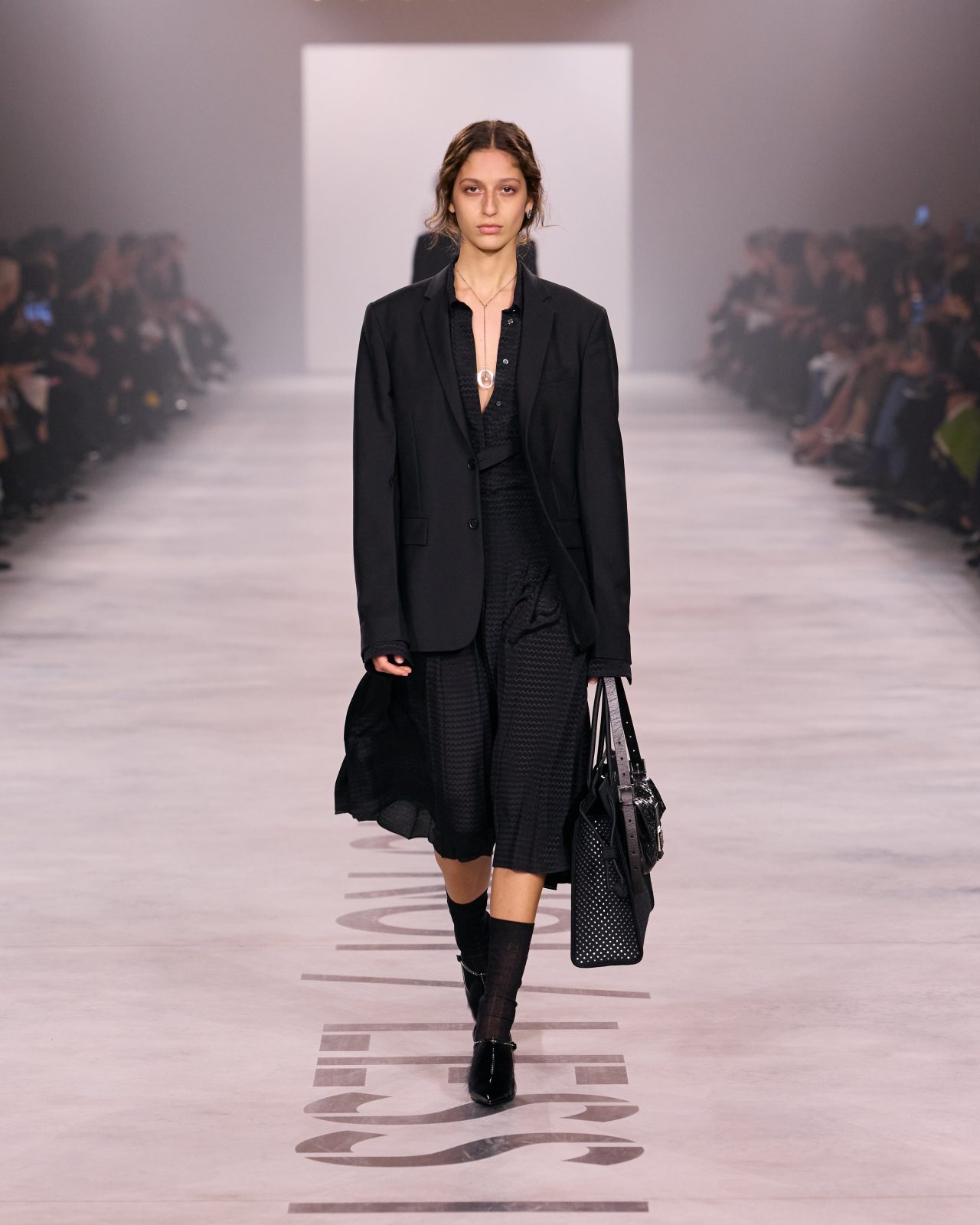
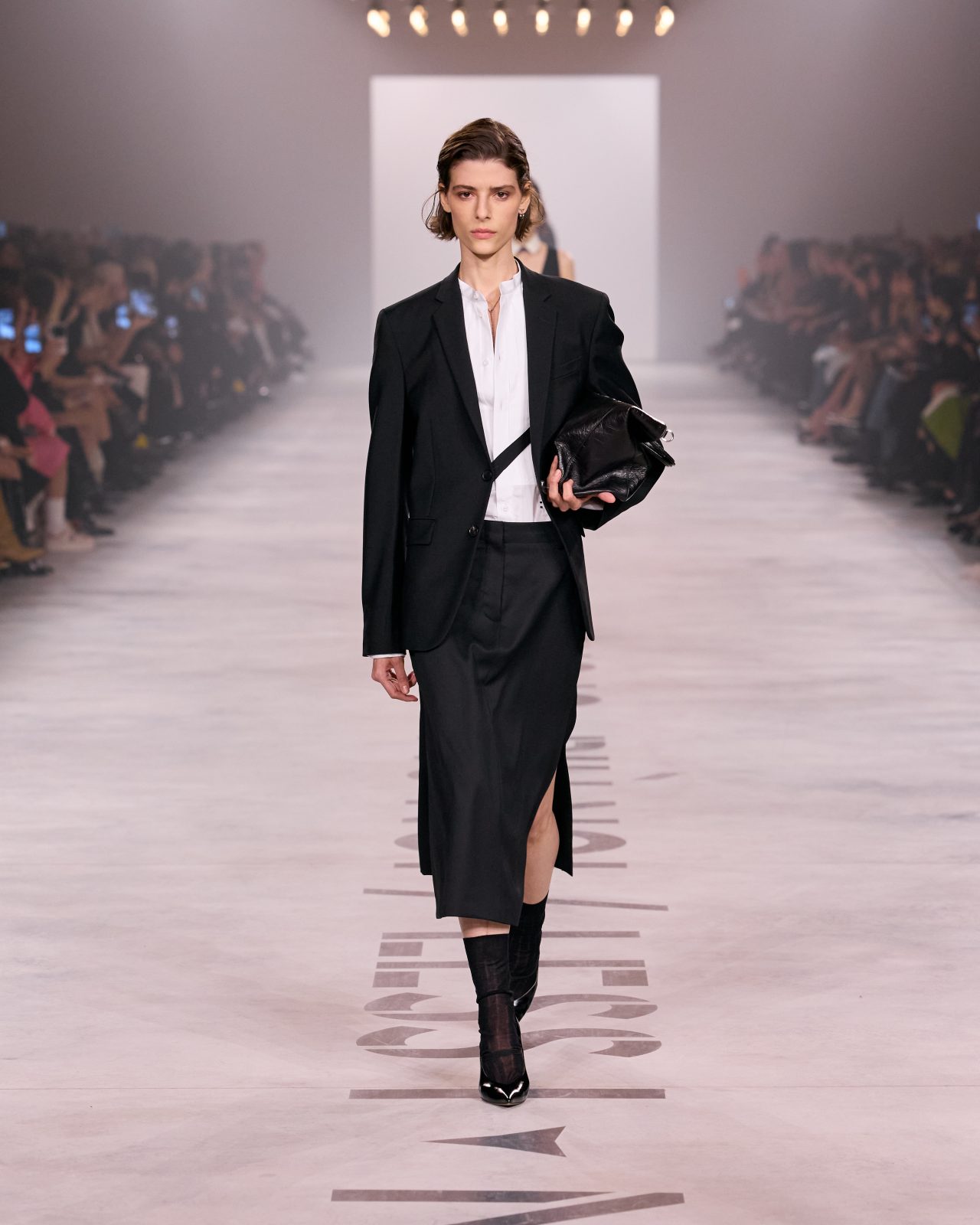
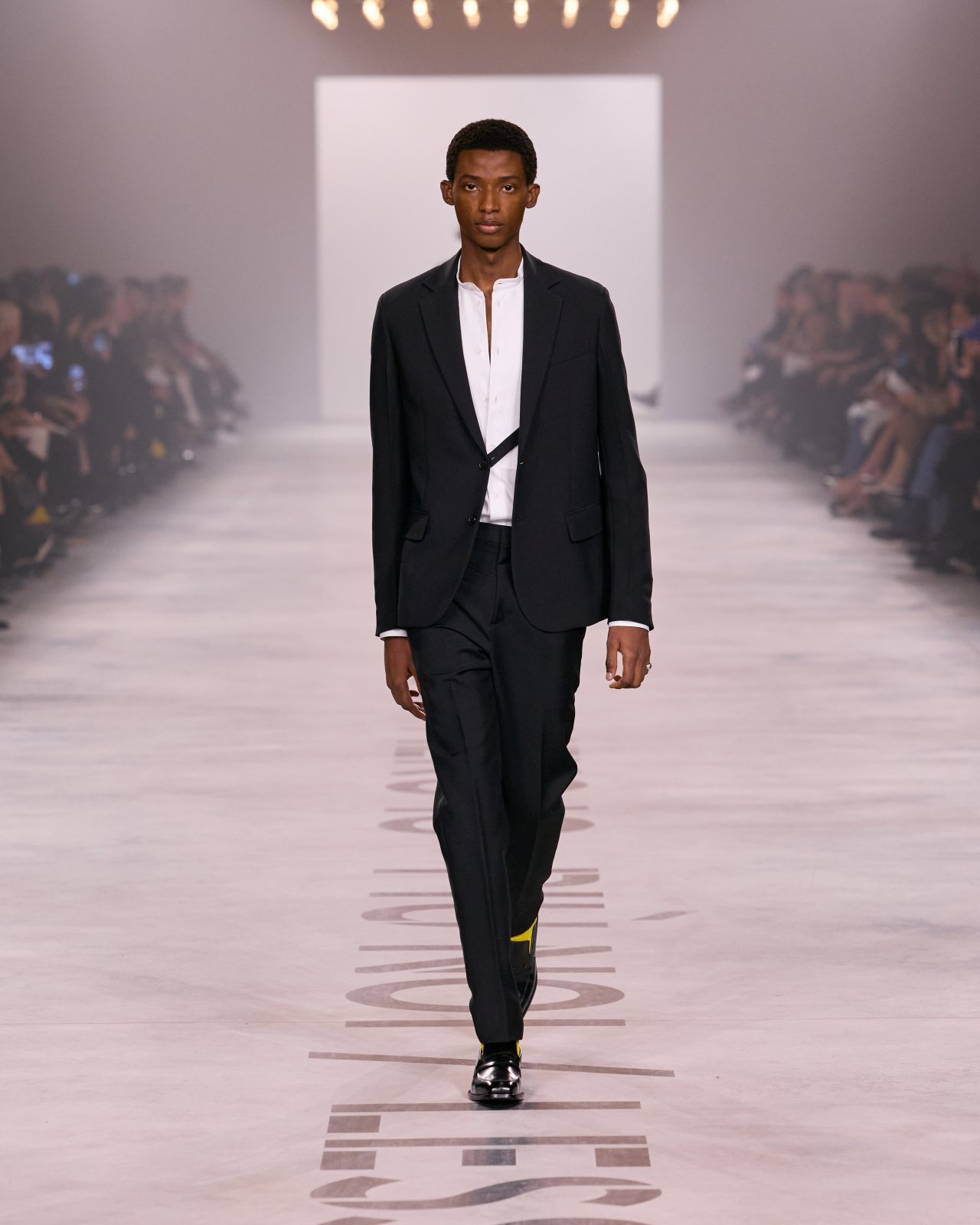
The most distinctive feature of the entire collection is a restrained yet decisive silhouette. Most looks employ straight-line cuts, avoiding overly exaggerated structures and the deliberate shaping of the female body into a single ideal proportion. Instead, the lines develop in accordance with the body’s dynamics and the rhythm of the garment. This approach, seemingly calm, is actually very assertive, because it signifies that clothing is no longer used to discipline the body, but rather to return the space to the wearer to define their own posture.
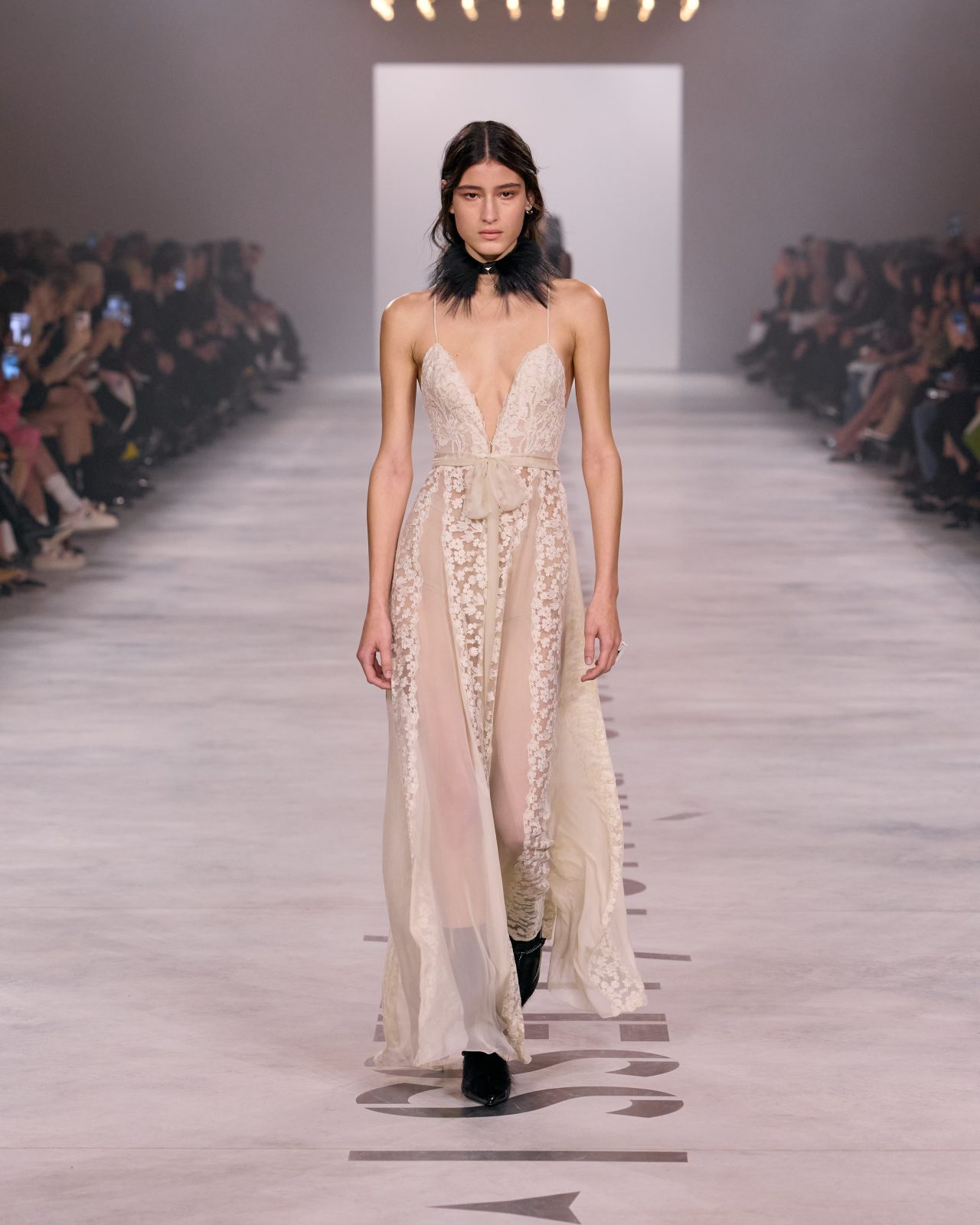
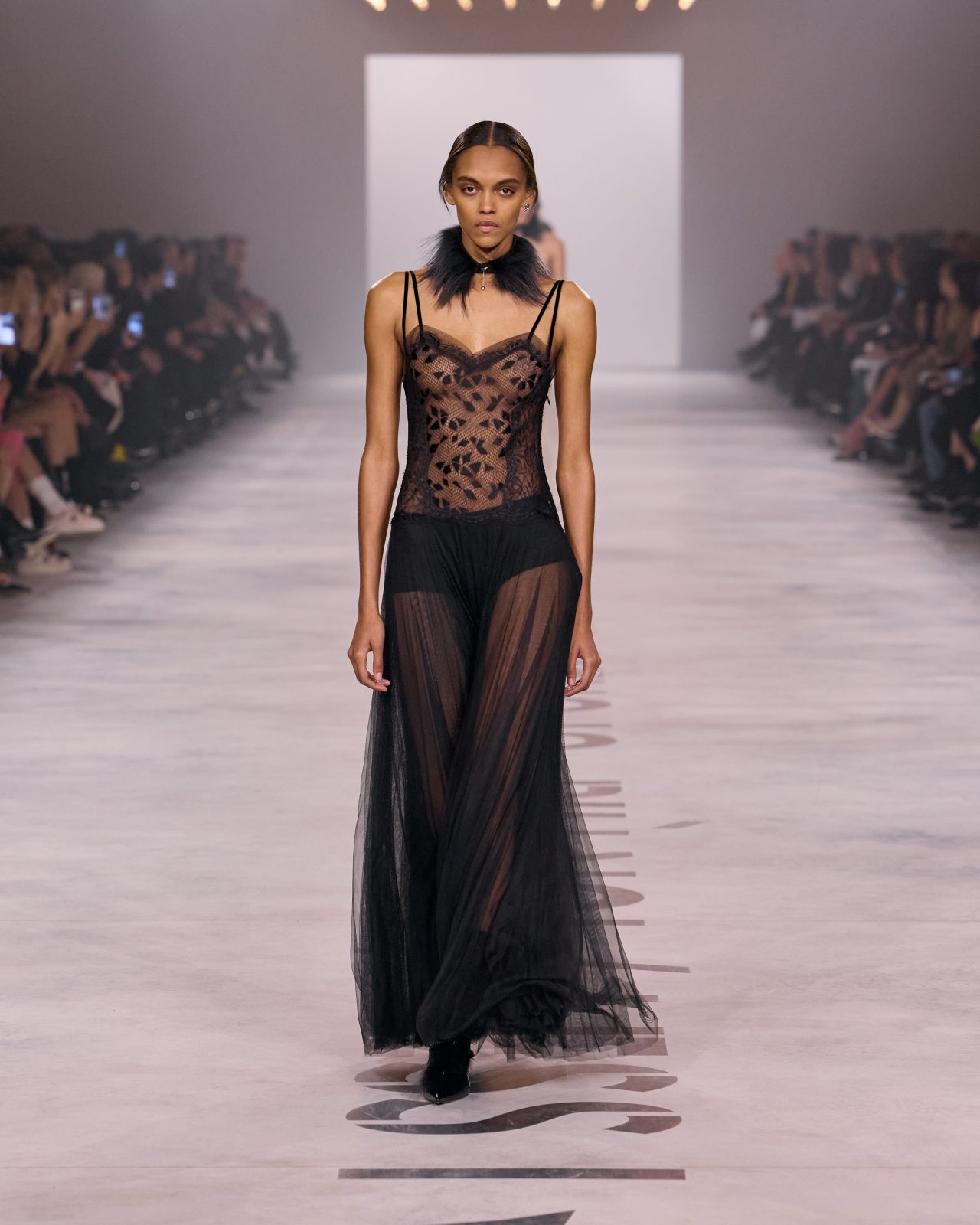
Building upon this foundation, Maria Grazia Chiuri incorporated her signature softer elements. Lace, silk, and tulle—materials often seen as symbols of femininity—were not diminished this season. Instead, they appeared alongside black formal wear, leather, and even metallic and crystal embellishments, creating a layered tension. She doesn’t interpret gender neutrality as stripping away all femininity, nor does she believe that powerful women can only express themselves using masculine language. Instead, she allows these elements, often categorized as delicate, decorative, or emotional, to stand on the same level as sharp formal wear and structured leather, proving that femininity doesn’t need to be distorted to be valid.
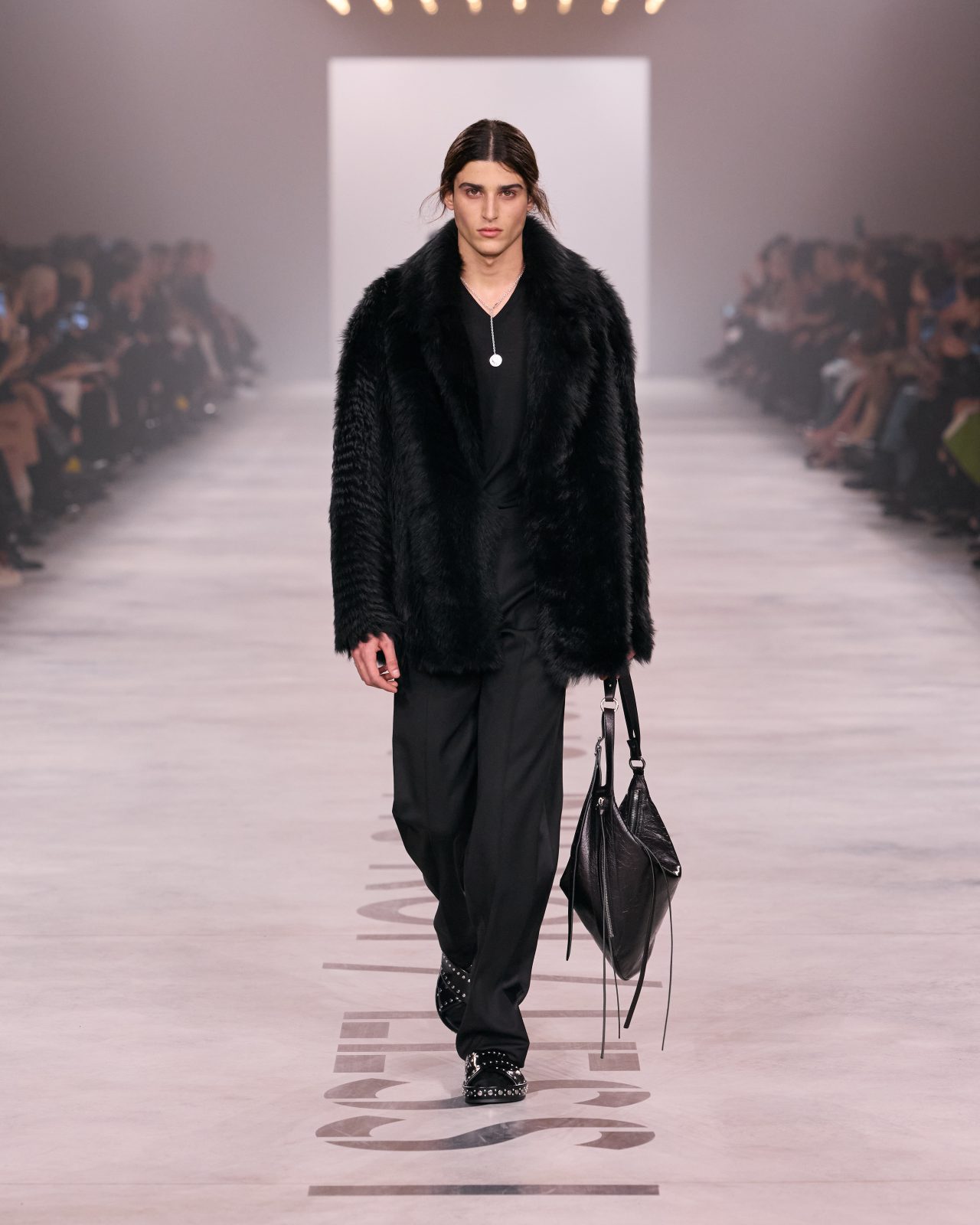
This was especially evident in the mixed-gender show. The same item, or the same styling logic, appeared on both male and female models, freeing the clothing from fixed gender assignments. Some of the most luxurious styles were worn by male models, while some more casual looks were worn by female models. This arrangement, without being didactic, effectively broke through conventional viewing habits. Notably, only female models wore collar accessories in the show. This detail is intriguing because collars easily evoke images of authority, uniforms, and traditional masculine symbols. However, in Maria Grazia Chiuri’s hands, it wasn’t about pushing women into male roles, but rather a symbol of power that could be put on and taken off at any time. These collars, ranging from white cotton to black leather and fur, developed different material versions, allowing the sense of power to no longer be monopolized by a single symbol, but rather returning to personal choice and desire.
Another noteworthy direction is Maria Grazia Chiuri’s new perspective on fur. This season doesn’t completely abandon fur, but rather changes its way of being. Large, luxurious fur coats are no longer the main focus; instead, they are disassembled, pieced together, and fragmented, becoming partial embellishments on coats, part of camouflage patterns, or creating new surfaces through the interweaving of different fur textures. Behind this is her “Echo of Love” project. Through this project, customers can collaborate with Fendi workshops to repurpose their existing precious fur coats, perhaps from their mothers or grandmothers, allowing these items to not just be preserved, but truly enter a new lifecycle within their wardrobes.
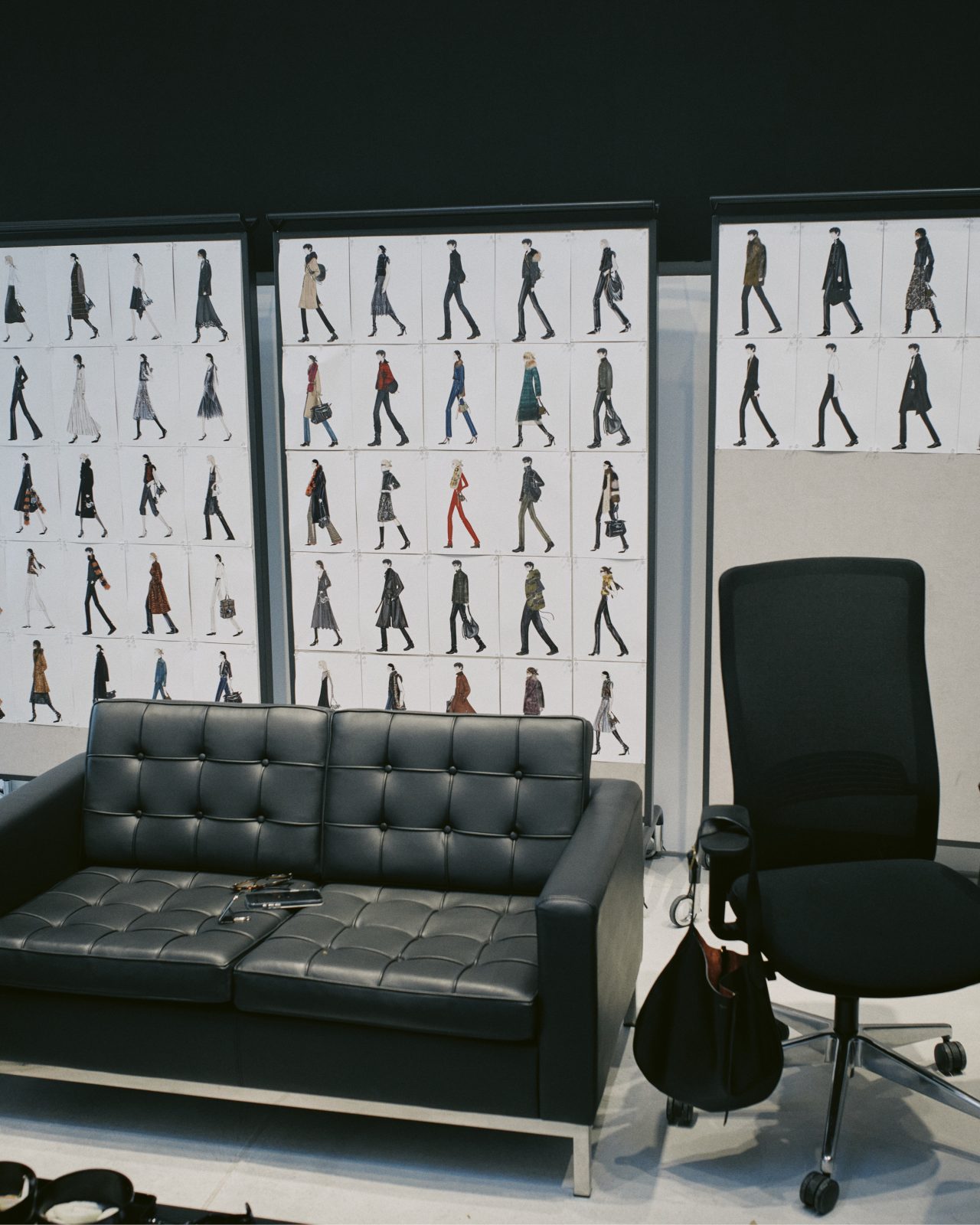
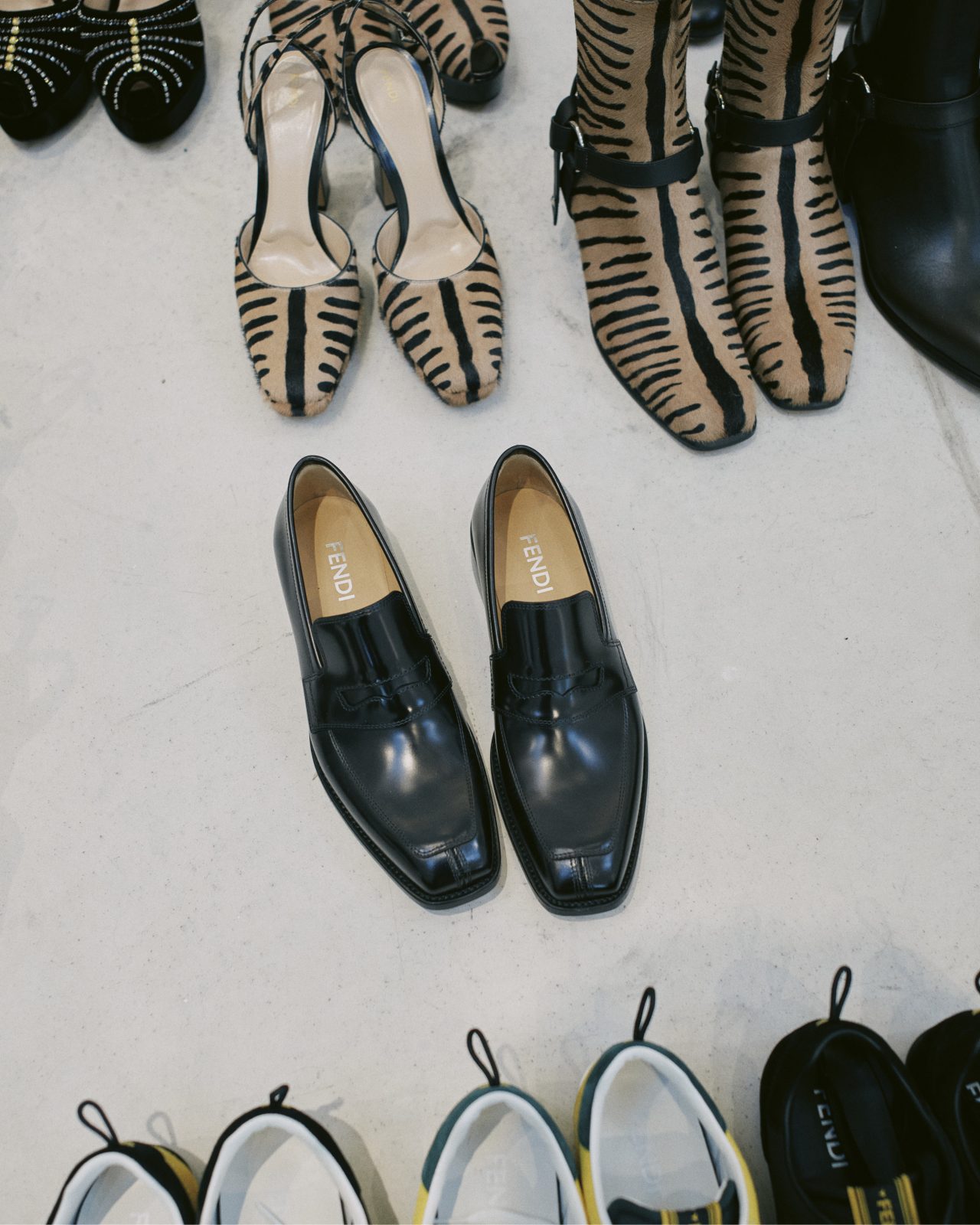
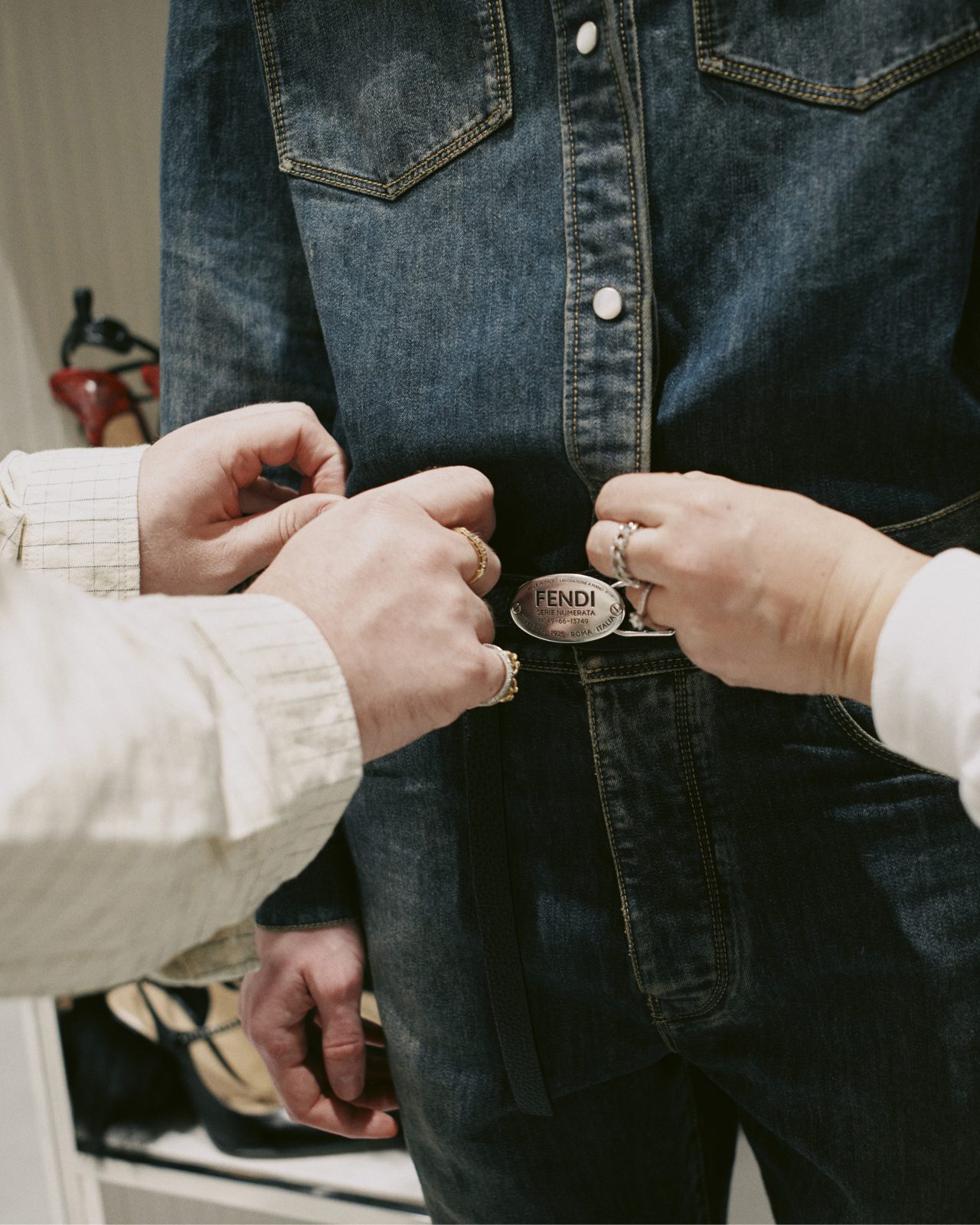
Baguette and Peekaboo have replaced the monogram with craftsmanship.
One of Maria Grazia Chiuri’s most undeniable strengths remains her mastery of accessories. In this show, bags and shoes were not merely accessories to complete the outfits, but rather a showcase of her years of experience. The most eye-catching pieces were undoubtedly the brand’s two classic bag designs, the Baguette and Peekaboo. These names themselves represent Fendi’s important place in contemporary accessories history, and Maria Grazia Chiuri didn’t choose to simply revert to the safest monogrammed design. Instead, she revitalized these bags through craftsmanship. This season saw less of the previous overlay of the brand’s logo, replaced by embroidery, sequins, patchwork fur, and experiments with different materials, making the bags a signature rather than a mere repetition of letters.
The footwear arrangement also clearly illustrates her thinking. Throughout the show, a shoe with a transparent heel was almost repeatedly featured, creating an almost floating visual effect as the models moved. The transparent material reduced the weight that the heel might have otherwise provided, making the steps appear lighter, while also echoing the overall collection’s themes of freedom, fluidity, and unconstraint. On the other hand, the heels mostly featured a thicker structure, rather than purely pursuing height or a slender appearance, making the shoes more practical for walking and further demonstrating Maria Grazia Chiuri’s understanding of the female wearing experience. She knows that a pair of shoes cannot only be successful on the runway, but must also consider the center of gravity, movement, and the body’s comfort.
In addition, some footwear pieces incorporated fur details, continuing the overall collection’s reinterpretation of wool. Some were used directly as upper embellishments, while others were used to soften the originally more angular silhouettes, maintaining a consistent rhythm between accessories and clothing. The animal print designs featured throughout the collection also achieved a balance between restraint and wildness in the entire show.
The post “Return to Fendi” first appeared on Pure Luxury Magazine .
[%google_translate(“zh-TW”, “en”, ”
Nearly thirty years after leaving Fendi, Maria Grazia Chiuri returned to the company where she had worked for a decade, moving from a key figure in accessories design to her current role as creative director, redefining the brand’s language. The Fall/Winter 2026 ready-to-wear show was a performance exploring how the brand’s history, family spirit, and female perspective converged once again. For Maria Grazia Chiuri, feminism is never a slogan, but a reflection on how to truly make clothes fit the wearer. The most distinctive feature of the collection, where formal wear and soft materials coexist, is a restrained yet decisive silhouette. Most looks feature straight cuts, without overly exaggerated structures or attempts to mold the female body into a single ideal proportion, instead developing lines according to the body’s dynamics and the rhythm of the garment. This approach, seemingly calm, is actually very assertive, because it means that clothing is no longer used to discipline the body, but rather to give the wearer the space to define their own posture. Building upon this foundation, Maria Grazia Chiuri incorporated her signature softer elements. Lace, silk, and tulle—materials often seen as symbols of femininity—are not diminished this season. Instead, they appear alongside black formal wear, leather, and even metal and crystal embellishments, creating a layered tension. She doesn’t interpret gender neutrality as stripping away all traces of femininity, nor does she believe that powerful women can only express themselves using masculine language. Instead, she places these elements, often categorized as delicate, decorative, or emotional, on the same level as sharp formal wear and stiff leather, proving that femininity doesn’t need to be embellished to be valid.
The post “Return to Fendi” first appeared on Pure Luxury Magazine .
“)%]
