
Polestar has been deepening its collaboration with Google in recent years, and this time it has taken it a step further by integrating Gemini into the in-car experience, shifting the interaction between people and cars from simply executing commands to more natural dialogue and real-time thinking. In this AI revolution, technological upgrades are certainly superficial; what's more noteworthy is how future drivers will gain a more intuitive, personalized, and lifestyle-integrated experience while on the move. This issue of *Supreme* magazine features an interview with Mike Ofiara, Polestar's North American PR representative, discussing how the brand views the changes occurring between cars and people after the Gemini's integration.
Why did Polestar decide to completely replace Google Assistant with Gemini at this time? What is the core decision behind this?
M: Actually, Google and Polestar have always had a close collaboration, working together to make the vehicle experience and Android Automotive system more complete. For us, the most important aspect of introducing Gemini this time is to make the car more futuristic. This direction is certainly driven by Google, but we also agree with integrating it into Polestar models because it truly brings more possibilities for the future.
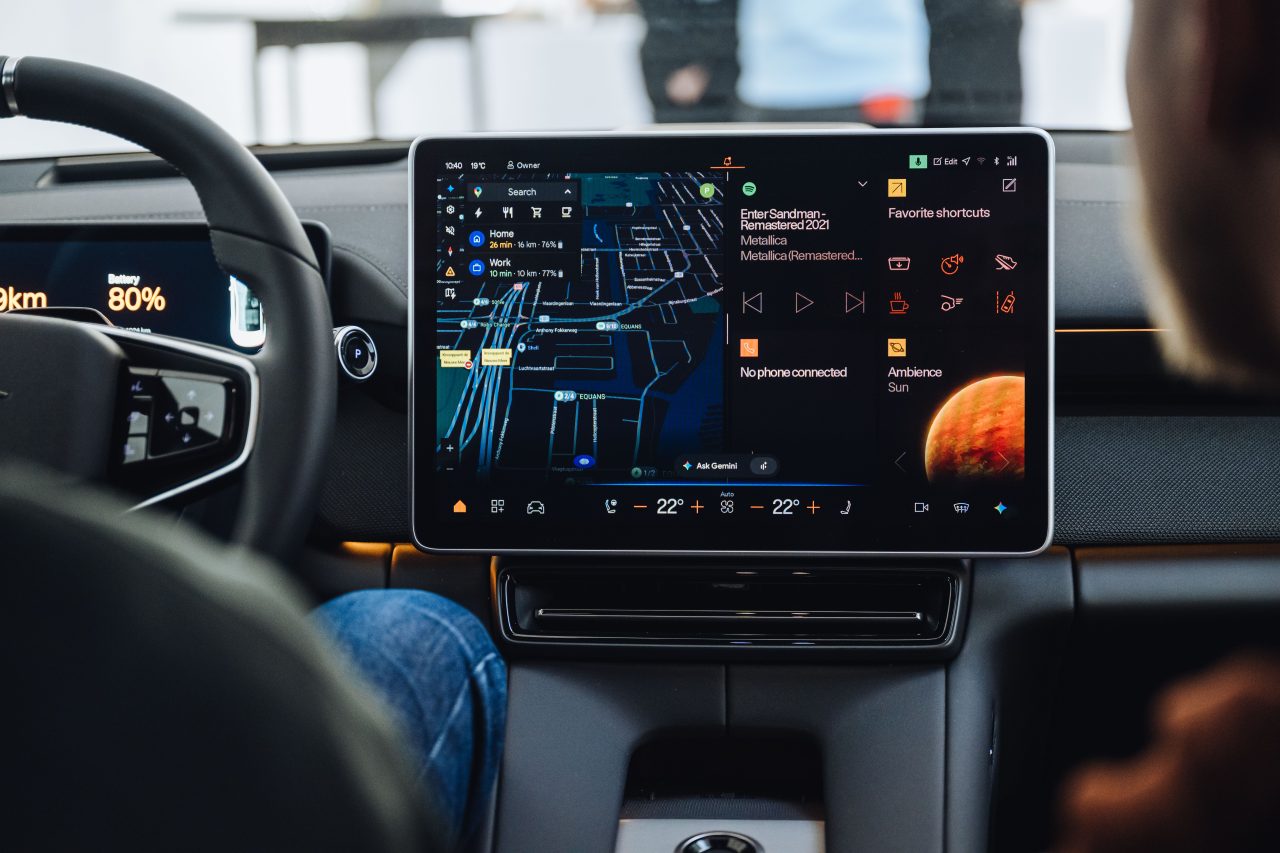
Compared to traditional voice assistants, what pain points in the in-vehicle environment can generative AI (Gemini) solve that were previously unmanageable?
M: I think the biggest difference is that Gemini is more personalized and conversational, and its overall capabilities are a step up from traditional voice assistants. This isn't just a technological upgrade, but a significant shift in how people interact with computers. It's especially noticeable in a car, because the most important thing when driving is keeping your eyes on the road. Whether it's navigation, adjusting vehicle settings, instantly looking up information, or even just checking if an app is installed, Gemini can respond in a more natural and context-aware way, so it's better able to understand what the driver truly needs at that moment.
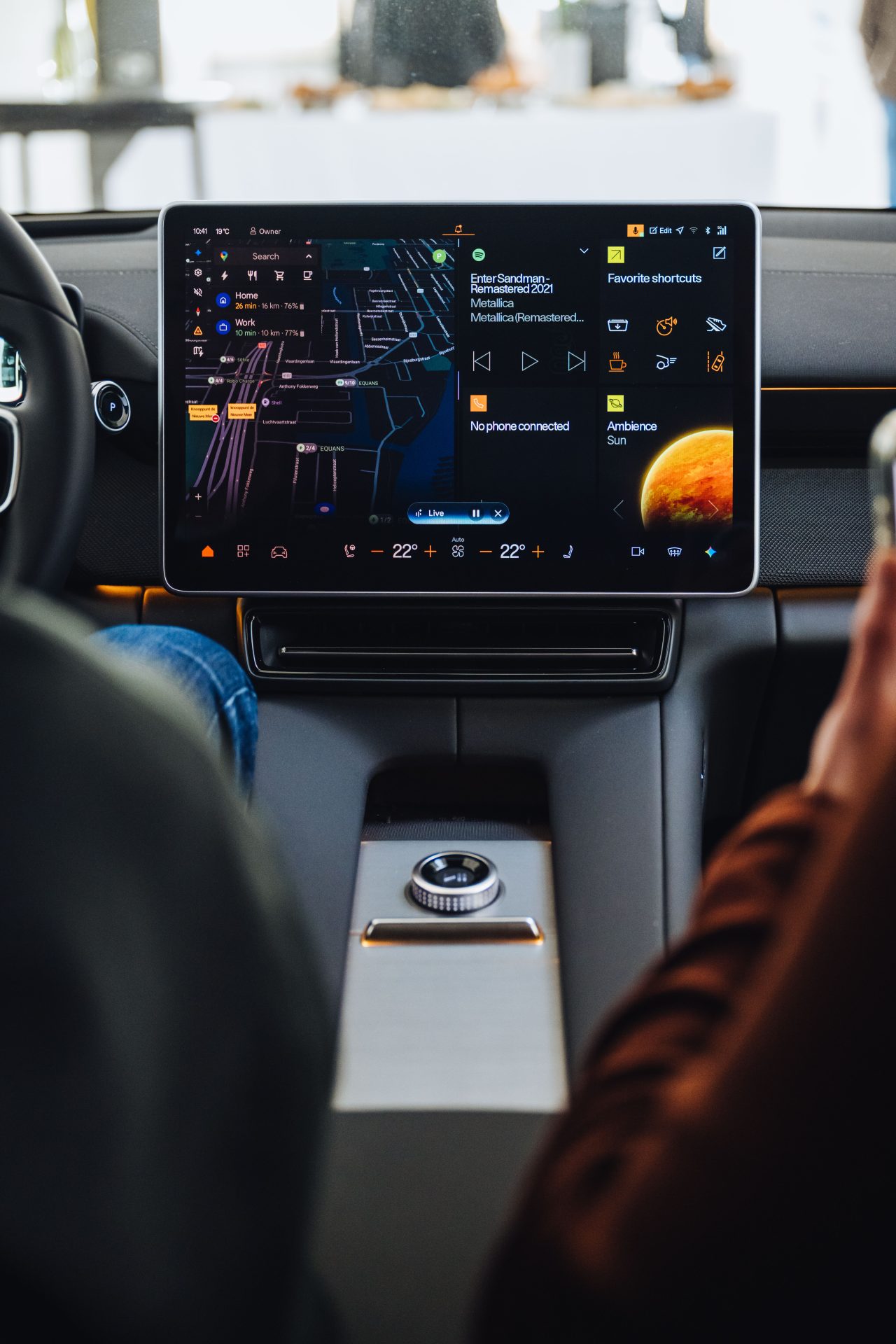
Polestar has partnered with Google for many years. How does the integration of Gemini differ from previous collaborations in terms of technical development difficulty?
M: Gemini is a Google product, so there are actually many different teams behind it doing testing and optimization on our cars every day, with the goal of making the whole experience more mature. AI is a new era for everyone, and this integration clearly represents that we have entered another stage.
"Gemini Live" is the highlight of this update. How would you imagine a typical scenario where a car owner uses "Hey Google, let's talk" while driving?
M: This feature is especially suitable for situations that require deeper responses and natural back-and-forth dialogue. For example, when you're on your way home and want to help your family decide what to have for dinner, or when you have a meeting with a new client the next day and want to organize your proposal ideas while driving, Gemini Live is perfect for situations that can't be solved with just a sentence but require real brainstorming.
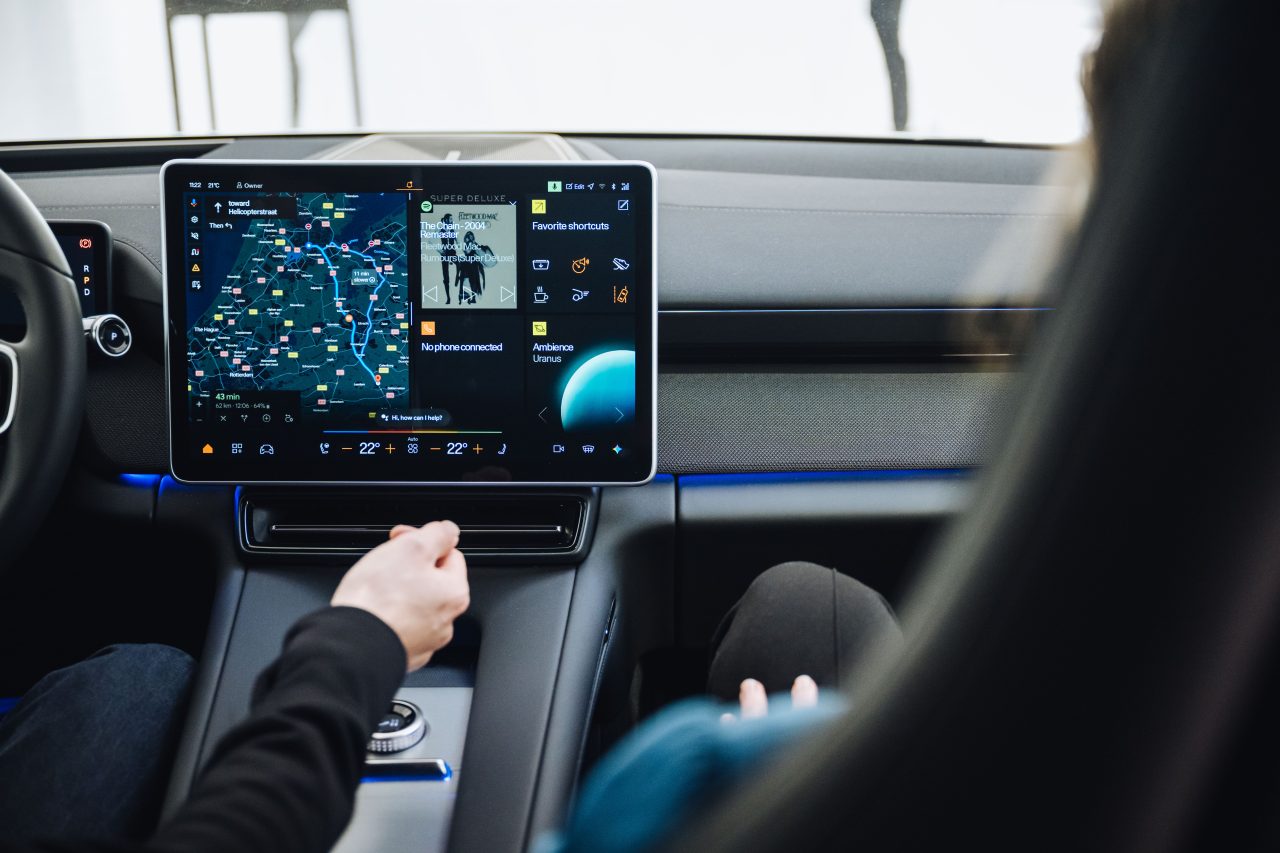
The concept of "brainstorming" in a car is quite new. How does this contribute to Polestar's brand positioning (such as purity, high performance, and innovation)?
M: This concept is indeed very new, and for Polestar, it directly reflects innovation. We love working with Google to bring these new ideas into the car and make them truly usable for drivers. Although Gemini is a Google product, we see it as a great value that it can bring to Polestar owners in the future.
For existing Polestar 2, 3, or 4 owners, what will be the most noticeable changes in their daily driving experience after this update?
M: I think the most obvious change is that owners no longer need to memorize a bunch of fixed commands. You can speak more naturally, and Gemini will understand you better. For daily use, this will be a very intuitive and noticeable change.
In offline or in areas with poor reception, can Gemini still maintain basic vehicle control functions?
M: In the initial stage of official launch, it's not yet ready, because all computing is currently done in the cloud. However, this is certainly a direction that Google and Polestar will work towards together in the future.
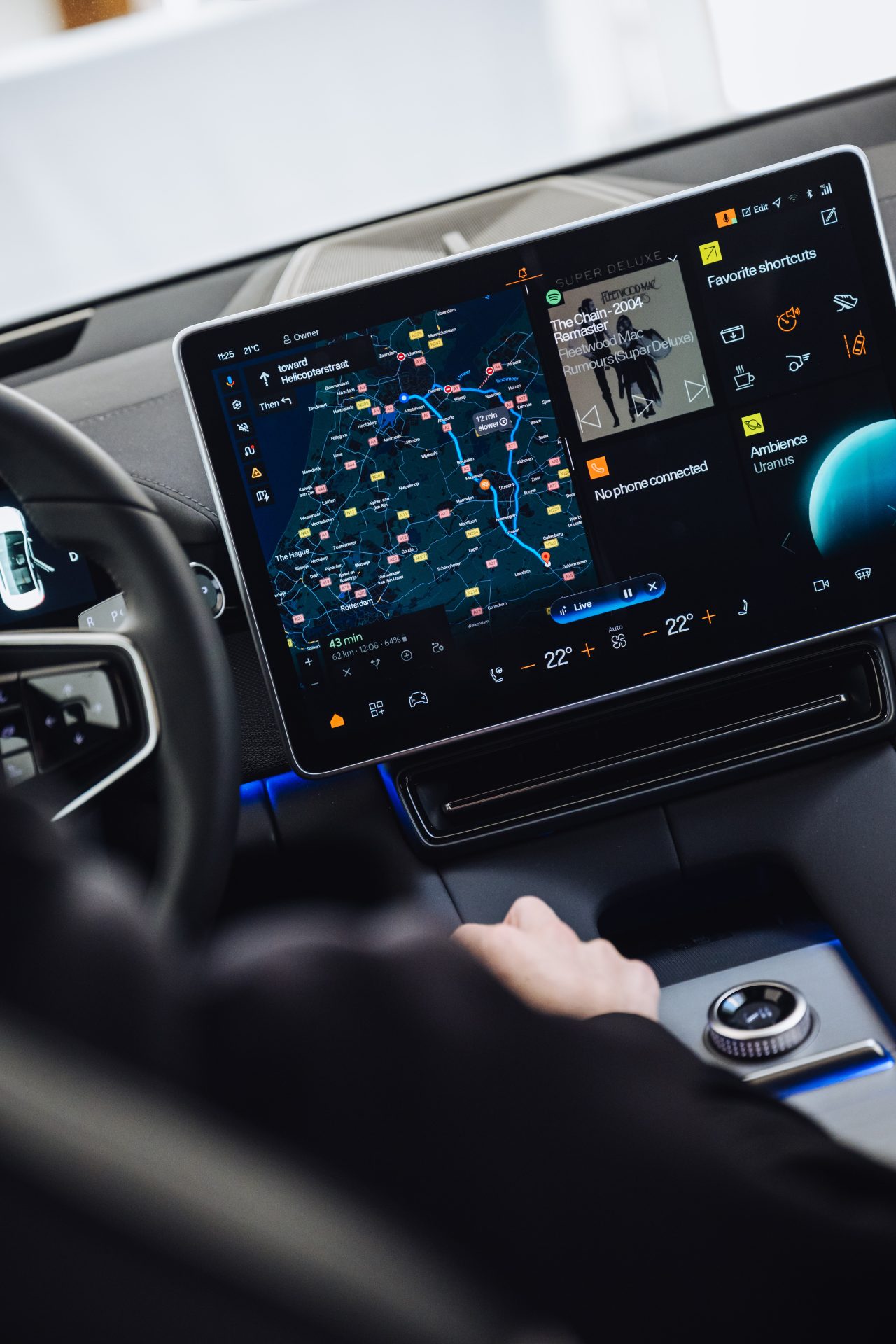
The first wave of updates will begin with American English in 2026. What is the current localization timeline for non-English speaking markets (such as Asia or other parts of Europe)?
M: The first phase will start with the US market, specifically for users whose vehicles are located in the US and whose Google accounts are set to American English. We will then gradually expand to more markets and languages, but for now, the focus is on this initial launch.
The Polestar 5 was selected as the showcase vehicle for the Slush event. Does this suggest that the Gemini's features will be more deeply integrated with the Polestar 5's hardware architecture?
M: Gemini testing on the Polestar platform is conducted across all models, not just the Polestar 5. All Polestar models are already built on the same integrated architecture.
Will this upgrade require car owners to subscribe to a specific data plan or service, or will it be offered as a standard feature?
M: This feature will be part of Google Connected Services, which is standard on all Polestar models. However, in Europe, some owners may need to pay extra to renew their Connected Services subscription after the three-year subscription period ends, or provide internet access to their vehicle via their mobile hotspot in order to continue using the Gemini.
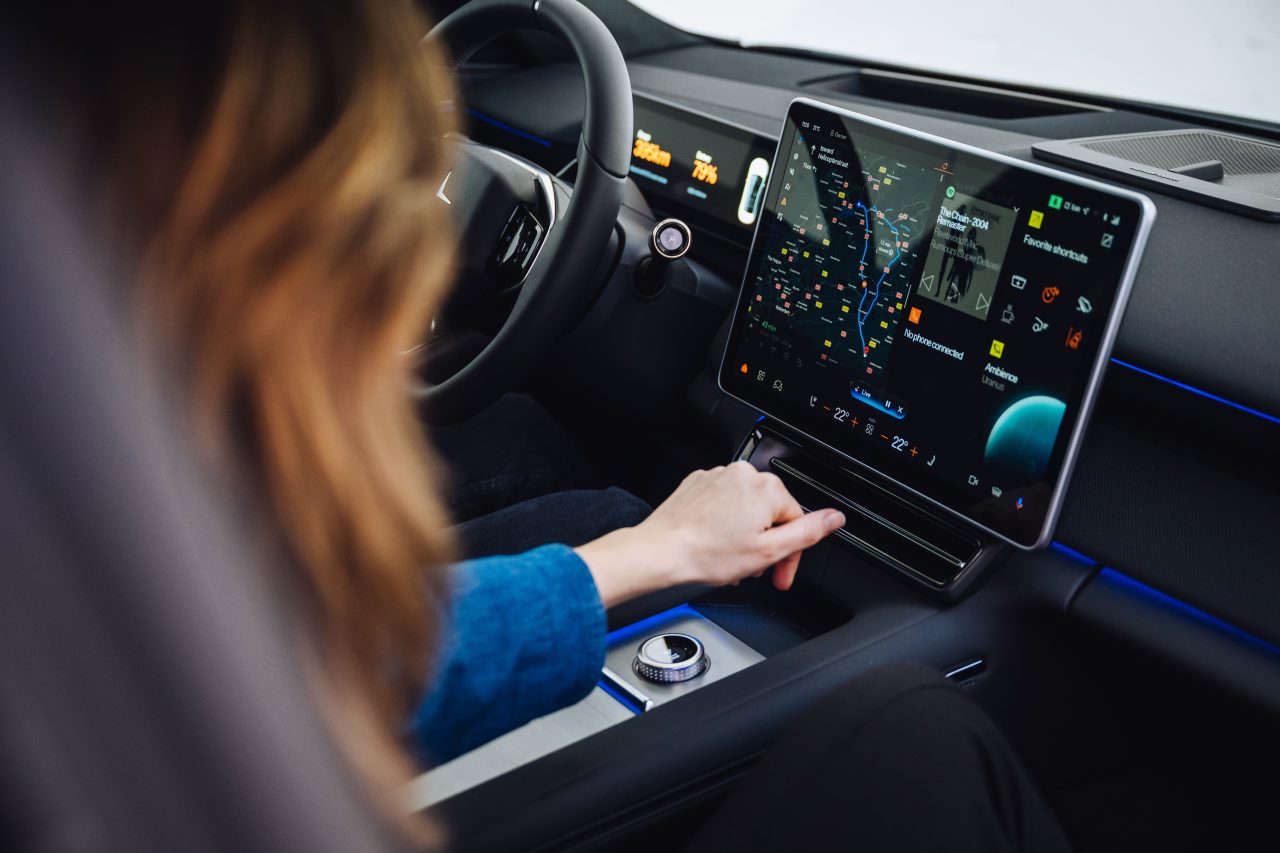
How do you think the evolution of in-car AI will change our definition of "car" as a mobile space in the future?
M: I think we're entering a whole new era of in-car technology and connectivity. Many new use cases will emerge in the future, and they will all truly change the way people use their cars. With partners like Google, we are confident in bringing the most meaningful and customer-friendly technologies into cars, enabling people to use their cars more often and make better use of the in-car space.
In addition to voice interaction, will Polestar leverage Gemini's multimodal capabilities (such as combining it with in-vehicle cameras) to provide more proactive services in the future?
M: Right now, our primary focus is on successfully integrating the Gemini into existing models and ensuring that the overall quality meets our expectations. As for other application scenarios, we will certainly explore those further later.
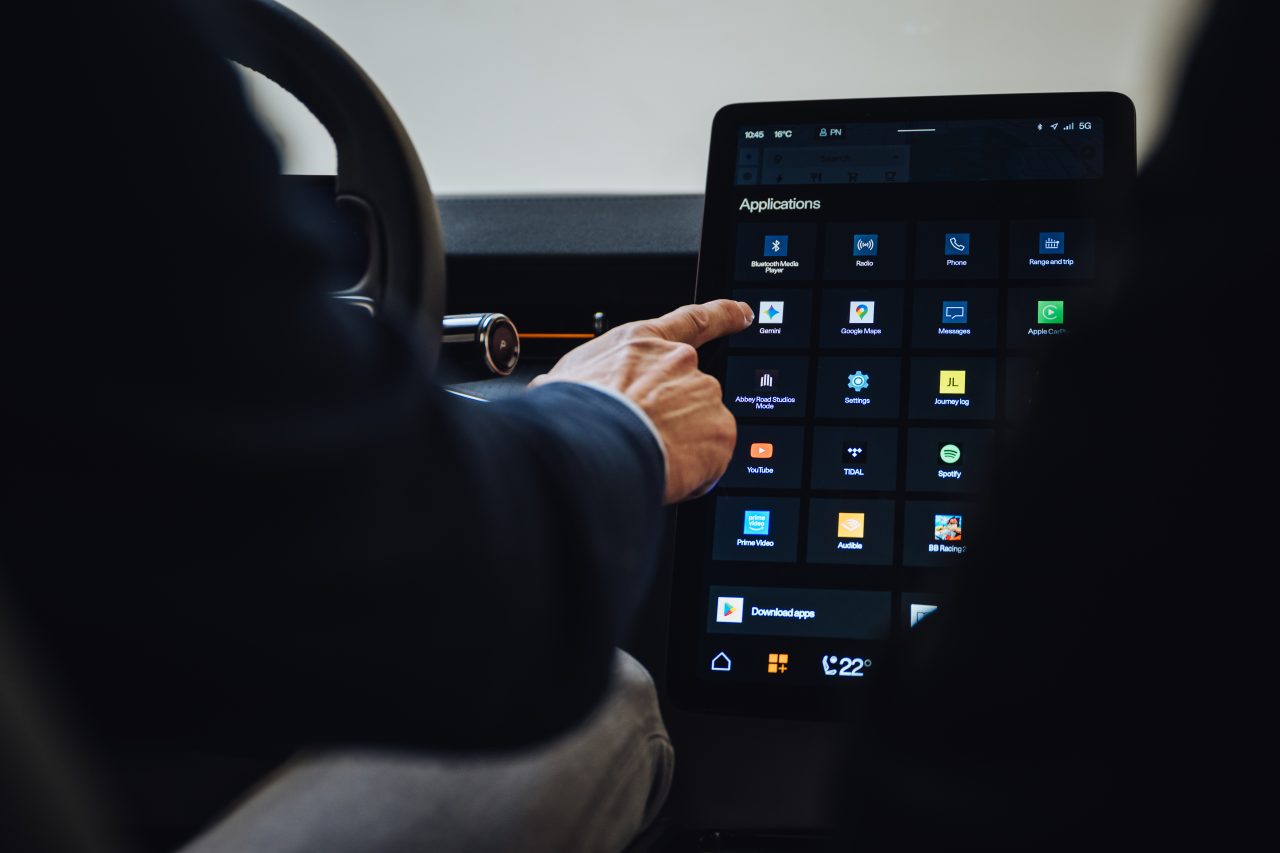
Finally, for consumers who are curious or worried about AI entering the car interior, what is the message you most want to convey?
M: AI will already be part of the future, and its primary role is to assist users in their daily lives. It's not meant to replace anything, but rather to be a practical assistant. Whether you use it twice a day or only once a month, we want Polestar owners to have access to the latest and most practical technologies in the current automotive industry.
The post "When Polestar Meets Gemini" first appeared on Pure Lucky Magazine .
Polestar has been deepening its collaboration with Google in recent years, and this time it's taking it a step further by integrating Gemini into the in-car experience, shifting the interaction between people and cars from simply executing commands to more natural dialogue and real-time thinking. In this AI revolution, technological upgrades are certainly superficial; what's more noteworthy is how future drivers will gain a more intuitive, personalized, and lifestyle-integrated experience while on the move. This issue of *Supreme* magazine features an interview with Mike Ofiara, Polestar's North American PR representative, discussing how the brand views the changes happening between cars and people after Gemini's integration. Why did Polestar decide to completely replace…
The post "When Polestar Meets Gemini" first appeared on Pure Lucky Magazine .
")%]
