
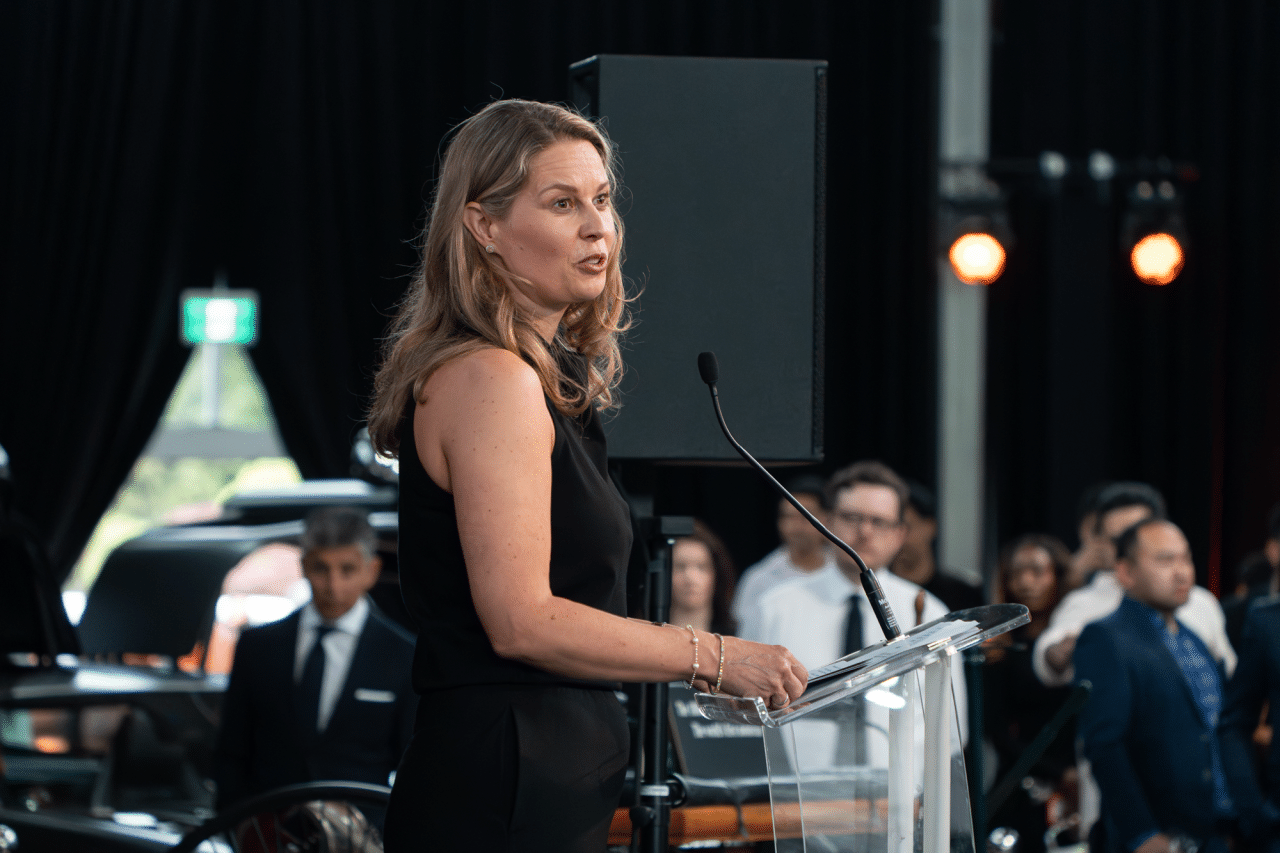
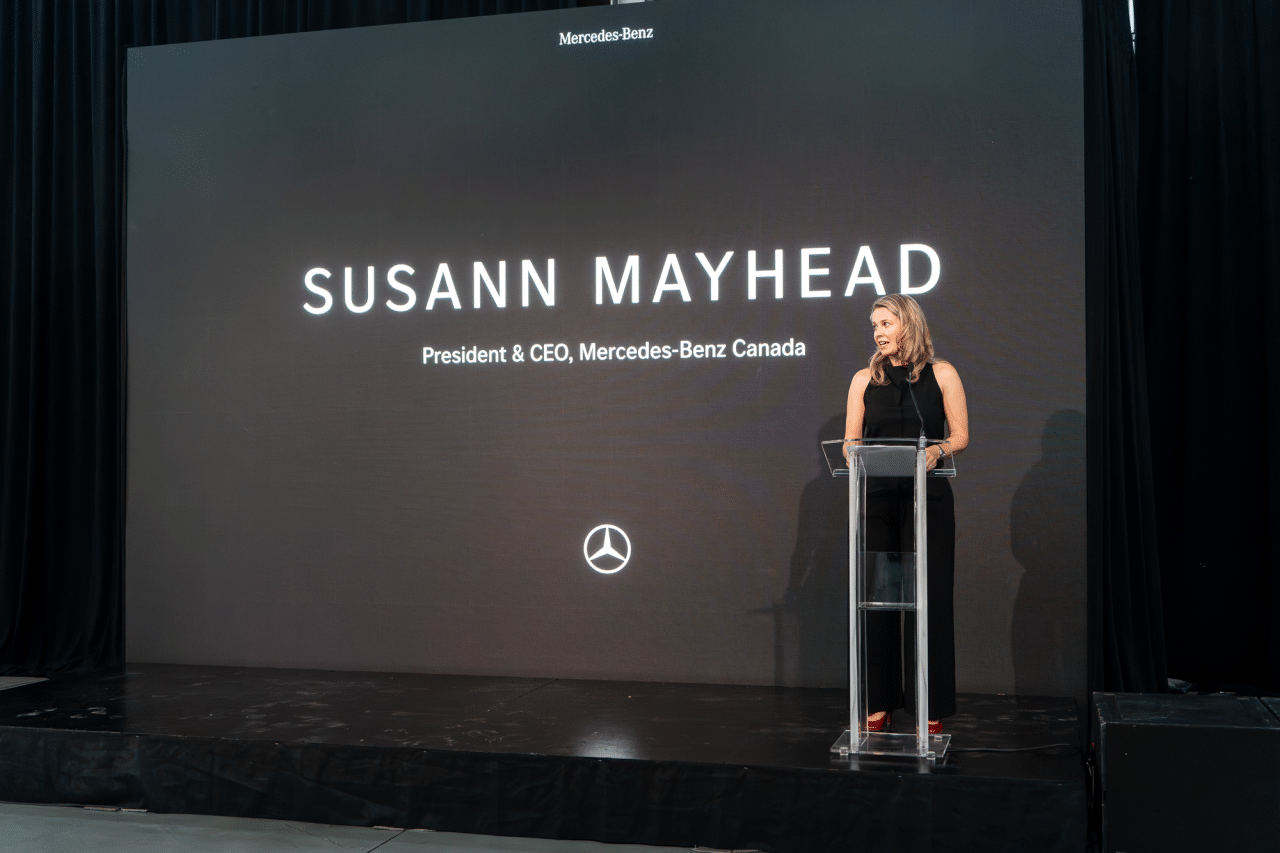
From finance and customer service to operations, sales, and human resources, Susann Mayhead has spent over two decades at Mercedes-Benz, experiencing virtually every crucial role in the automotive industry. Now, as the new CEO of Mercedes-Benz Canada, she takes the helm, facing not only product sales and electrification, but also a nationwide dealer network, diverse market demands, and how a luxury brand can maintain a human touch amidst rapid technological advancements. In this exclusive interview, *Supreme* magazine delves into her leadership philosophy, the unique challenges of the Canadian market, and how the brand stays true to its core values amidst change.
Senior Employee: You joined Mercedes-Benz in 2000 and have since worked in finance, customer service, operations, sales, and marketing. Which career experience has most profoundly shaped you into who you are today?
Susann: If I had to pick a phase, I would say it was the time when my responsibilities expanded from finance to customer engagement and operations. Finance training instilled discipline and cultivated clear judgment; but customer service, accounts receivable management, operations, and sales taught me something equally important: behind every number is a person's story. This concept has stayed with me throughout my career.
That experience had the greatest impact on me because it taught me that leaders must be both rigorous and empathetic. While business performance is important, we also need to understand what customers truly value, what conditions the team needs to succeed, and how each decision will have a ripple effect within the organization. To this day, I still lead teams with a balance of business discipline and human understanding.
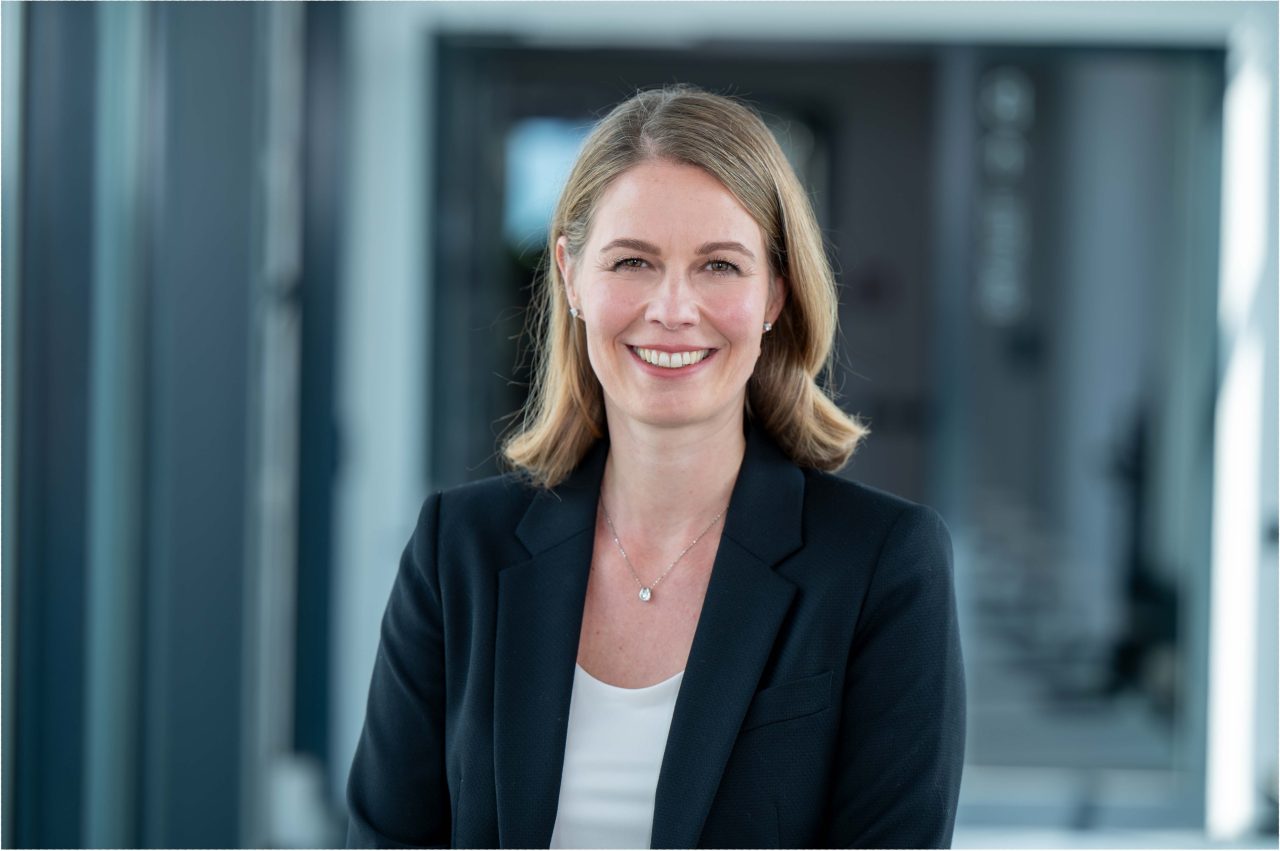
Supreme: Your work background is quite diverse, extending from financial services to human resources and labor relations. How have these experiences influenced your approach to managing an automotive company?
Susann: These experiences remind me every day that we're not just selling cars, but building trust, relationships, and long-term customer experiences. My experience in financial services has taught me how important it is to think about customer relationships in the holistic lifecycle. The customer journey doesn't begin when you buy a car, nor does it end after delivery. It includes financing, vehicle ownership, maintenance, after-sales support, brand loyalty, and ultimately, whether the customer is willing to recommend the brand.
My work in human resources and labor relations in recent years has further solidified my long-held belief that corporate culture itself is a business strategy. When employees feel valued, empowered, and clearly understand the company's direction, these feelings directly translate into better dealer partnerships and customer experiences. This is especially important for luxury brands, because luxury is never just about the product itself, but also about the treatment people experience at every touchpoint.


Senior Executive: Before coming to Canada, you held senior management positions in Europe, serving as Managing Director and CEO of Mercedes-Benz Financial Services in Belgium, the Netherlands, and Luxembourg. Which leadership experiences from those markets are best suited for use in Canada today?
Susann: The European market taught me how important agile response and local relevance are. These markets are highly mature, customer expectations are quite high, digital tool usage is strong, and consumers have little patience for complex processes. Working in such an environment forces companies to streamline processes, accelerate decision-making, and continuously stay close to the real needs of customers and partners.
These experiences are highly relevant to the Canadian market today. While Canada is a national market, there is no single, homogenous Canadian customer. The most effective leadership approach is to first establish a clear overall direction while maintaining sufficient flexibility to respond to regional differences in consumer behavior, infrastructure, climate, and retail environment. I learned in Europe that consistency and flexibility are not mutually exclusive. Truly outstanding organizations are able to achieve both.

Supreme: You are often described as having a people-oriented leadership style. In actual management of employees, dealers, and luxury car customers, what does "people-oriented" specifically mean?
Susann: For me, people-centric leadership begins with listening, but it can't stop there. It also means clearly setting expectations, creating conditions that allow people to perform at their best, and truly understanding how decisions will affect others when making them. This principle applies equally to employees, distributors, and customers.
When dealing with employees, I emphasize clear direction, talent development, and accountability. With dealerships, we value genuine partnerships because they are the most direct brand representatives for Mercedes-Benz in communities across Canada. As for luxury car customers, we must understand that attentive service, streamlined processes, and personalized experiences are just as important as the excellence of the product itself. The common thread among these three is respect. When people feel their voices are heard, their value is recognized, and they receive sufficient support, they are more likely to achieve outstanding results.
Supreme: You currently oversee approximately 250 employees and a nationwide network of 57 authorized dealers. What do you see as the biggest growth opportunity for the Canadian dealer network right now?
Susann: I believe the biggest opportunity lies in further developing a smoother, more upscale, and more digitally connected customer journey. We already have a solid foundation, and our nationwide scale gives us broad coverage while allowing us to maintain close connections with local customers. The next step is to make the modern luxury retail experience more consistent across the entire network.
This experience includes customers searching for information online, receiving purchase assistance, scheduling test drives, taking delivery, learning about charging methods, after-sales maintenance, and maintaining interaction with the brand throughout their ownership of the vehicle. I believe that by combining the local entrepreneurial spirit of dealerships with clear and consistent Mercedes-Benz customer service and professional standards, the entire dealership network can become a stronger competitive advantage for the brand.
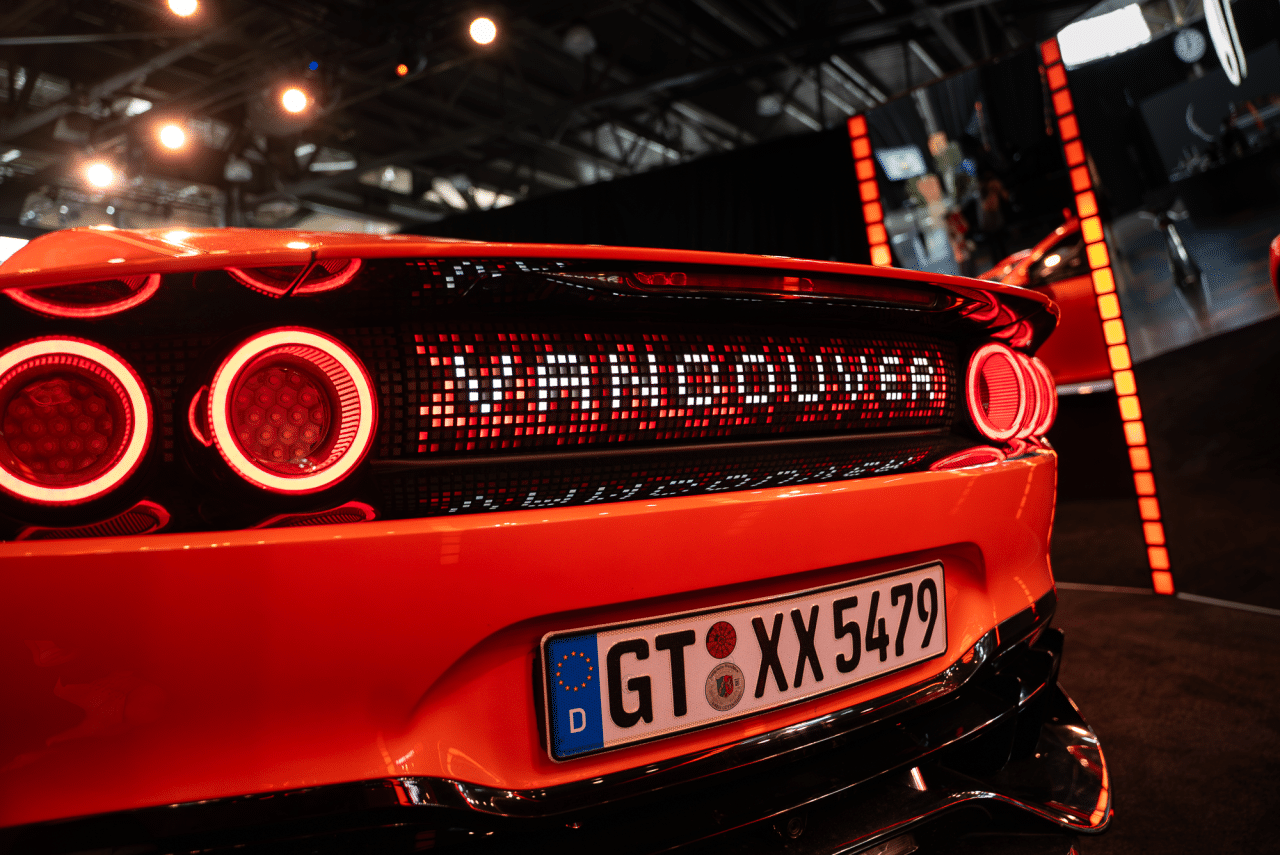
Mercedes-Benz has launched a high-power charging network in Canada. How important do you think the charging experience is to the future of the Canadian luxury electric vehicle market?
Susann: The charging experience is absolutely key. For electric mobility to truly feel luxurious, the charging process must be simple, reliable, and intuitive, without making customers feel like they're compromising. It's not just about charging speed, but about confidence. Luxury car customers expect their time to be used effectively, the process should be seamless, and the system must be reliable when needed. In my view, charging will play a crucial role in how customers evaluate the ownership experience of luxury electric vehicles in the future, its impact perhaps even comparable to design, performance, or technology.
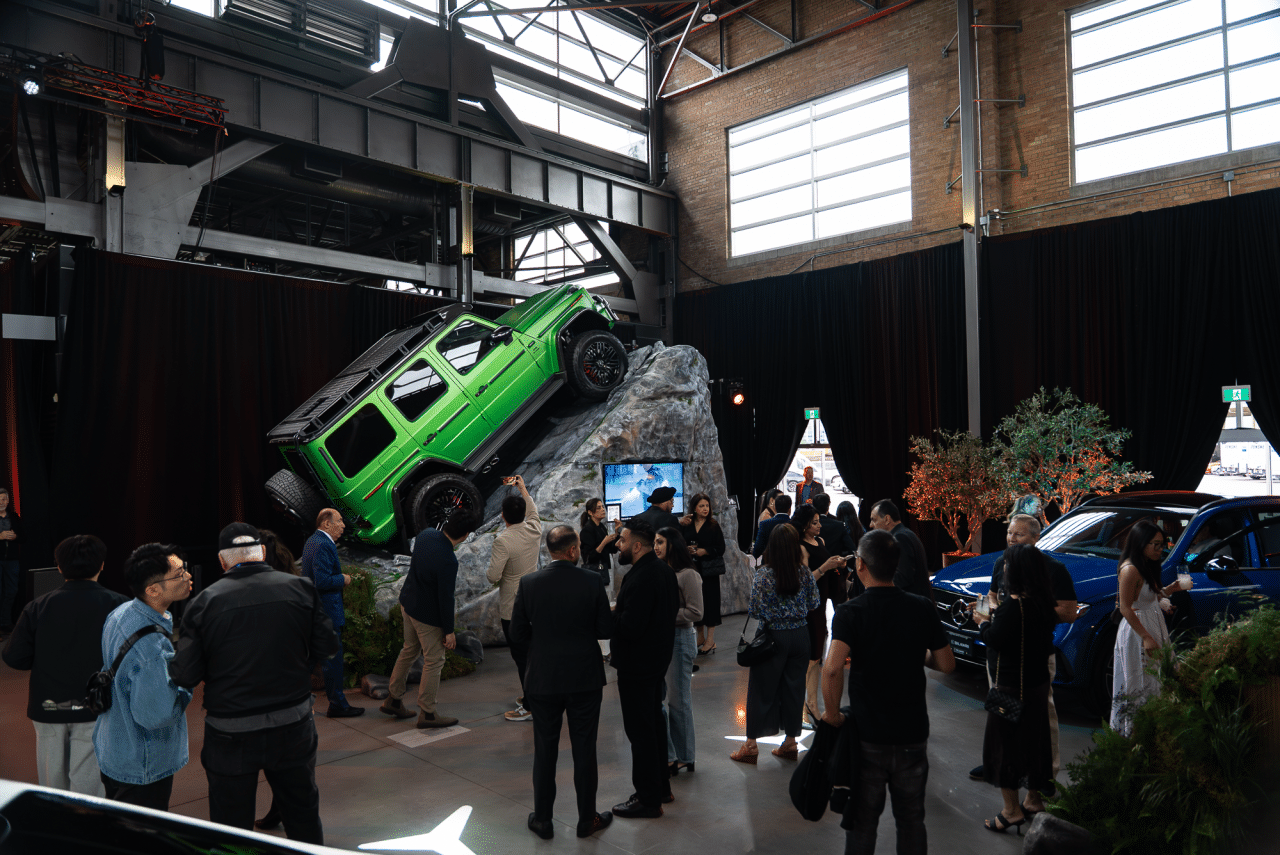
Supreme: Canada is a vast country with a highly diverse culture, and luxury car customers in Vancouver, Toronto, and Montreal may have completely different expectations. How does Mercedes-Benz Canada maintain a clear and consistent brand voice while responding to different markets?
Susann: The key is to distinguish between the brand's essence and its localized expression. Mercedes-Benz's brand voice must always be clear and consistent, encompassing forward-thinking, sophistication, innovation, and customer-centricity. But how we present these values can and should reflect the individuality of different cities and communities.
Canada's multiculturalism is an advantage, and our communication must respect that. In practice, this means carefully listening to what each market truly values—whether it's design, sustainability, performance, technology, family practicality, social status, or the overall experience—and then expressing those priorities in a way that fits the local context. However, the underlying standard cannot change: the quality, confidence, and emotional appeal that Mercedes-Benz represents.
Mercedes-Benz recently announced a collaboration with Liquid AI to develop in-vehicle AI for its North American models. What kind of in-vehicle AI experience do you think luxury car customers truly want?
Susann: I believe that luxury car customers need practical, natural, and non-intrusive AI. They don't need technology that exists solely to showcase technology. What customers truly want is AI that reduces operational hassles, understands the current situation, responds quickly, and protects their privacy. The key is to provide voice, language understanding, and reasoning capabilities through real-time, private, and native computing.
Therefore, in my mind, the best in-vehicle AI shouldn't just be an extra feature, but rather an intuitive companion. It should know when to speak and when not to intervene. In luxury cars, technology should enhance tranquility, confidence, and personalization, not create more distractions.
Supreme: Mercedes-Benz's first-quarter data shows growth in pure electric vehicles in Europe, but Canada has different geographical conditions, winter climate, and charging habits. How can you honestly assess the current acceptance of pure electric vehicles among Canadian luxury car customers?
Susann: My honest opinion is that luxury car customers in Canada are ready to embrace electric vehicles, but this readiness varies across different regions and among different customers for various reasons. Whether a Canadian customer is suited to switching to an electric vehicle is highly dependent on their lifestyle. For customers with regular driving routes, home charging facilities, and confidence in public charging infrastructure, the transition to an electric vehicle can be quite natural. However, for customers who frequently drive long distances or live in areas with limited charging facilities, the decision remains more complex.
Therefore, I believe it's essential to remain pragmatic when facing the market. Mercedes-Benz's all-electric passenger vehicles recorded strong growth in Europe in the first quarter of 2026; while the overall Canadian electric vehicle market continues to grow, it is also subject to fluctuations due to factors such as subsidies, infrastructure, and regional conditions. Canada's public charging network is still expanding, but customers continue to carefully weigh the actual convenience.
Therefore, I would describe Canadian luxury electric vehicle customers as becoming more open, informed, and interested, yet they remain very pragmatic. Our responsibility is to respond to this pragmatism with the right products, a robust charging ecosystem, and truly helpful advice.
Mercedes-Benz Canada showcased the GLC plug-in hybrid at the Montreal International Auto Show. In a country with cold winters and generally long driving distances, do you believe that plug-in hybrid vehicles are an important transitional option for Canadian customers moving towards electrification?
Susann: Yes, I think they are very important. In Canada, plug-in hybrid electric vehicles can be a very attractive entry point to electrification. It allows customers to truly experience pure electric driving in their daily lives, while retaining a gasoline engine to handle longer journeys and more varied usage scenarios.
Mercedes-Benz Canada's electrified lineup showcased at the Montreal International Auto Show included the GLC 350e 4MATIC SUV and the GLC 450e 4MATIC SUV. The GLC 350e, with its all-electric range of up to 87 kilometers, perfectly illustrates why this powertrain is well-suited to Canada. For many customers, weekday commutes can be entirely on electric power, while long weekend or holiday trips remain effortless and convenient.
Therefore, I do indeed see plug-in hybrid electric vehicles as an important transitional solution; for some customers, it is not just a bridge, but may be the most suitable option for long-term use.
Supreme: The brand's 2026 vision is to achieve a 40% electric vehicle segment by the mid-term. Looking at the Canadian market, what is most important in encouraging customers to switch to pure electric vehicles and plug-in hybrid electric vehicles?
Susann: From the perspective of the Canadian market, three factors are most important: confidence, convenience, and choice. Confidence means that customers must believe that the car will suit their real-life situation year-round. Convenience means that customers can easily access charging facilities at home, at work, in public places, or on major highways. As for choice, it means acknowledging that different customers will move to electrification at different paces. Some will go straight for pure electric vehicles, while others will start with plug-in hybrid electric vehicles.
Canada is making continuous progress in establishing the necessary conditions, including federally supported affordability measures and additional investment in charging infrastructure. Therefore, the market opportunity is quite clear: if the product itself is attractive enough and the entire ecosystem is trustworthy, customers will naturally begin to adopt it.
The post "Driving into a New Era of Luxury" first appeared on Pure Luxury Magazine .
From finance and customer service to operations, sales, and human resources, Susann Mayhead has spent over two decades at Mercedes-Benz, experiencing almost every crucial aspect of the automotive company. Now, as the new CEO of Mercedes-Benz Canada, she takes the helm, facing not only product sales and electrification transformation, but also a nationwide dealer network, diverse market demands, and how a luxury brand can maintain its human touch amidst rapid technological advancements. In this exclusive interview, *Supreme* magazine delves into her leadership philosophy, the unique challenges of the Canadian market, and how the brand stays true to its core values amidst change. *Supreme*: You joined Mercedes-Benz in 2000 and have worked in finance, customer service, operations, sales, and marketing over the years. Which period of your career has most profoundly shaped who you are today? Susann: If I had to choose one phase, I would say it was the time when my responsibilities expanded from finance to customer engagement and operations. Financial training instilled discipline and fostered clear judgment; but my work in customer service, accounts receivable management, operations, and sales taught me something equally important: behind every number is a person's story. This concept has stayed with me throughout my career. That experience had the greatest impact on me because it taught me that leaders must be both rigorous and empathetic. While business performance is important, we also need to understand what customers truly value, what conditions the team needs to succeed, and how each decision will have a ripple effect within the organization. To this day, I still lead teams with a balance of business discipline and human understanding. Interviewer: Your work background is quite diverse, extending from financial services to human resources and labor relations. How have these experiences influenced how you manage a car company? Susann: These experiences remind me daily that we're not just selling cars, but building trust, relationships, and long-term customer experiences. My experience in financial services taught me how important it is to think about customer relationships in the holistic lifecycle. The customer journey doesn't begin when you buy a car, nor does it end after delivery. It also includes financing, vehicle ownership, maintenance, after-sales support, brand loyalty, and ultimately, whether customers are willing to recommend the brand. My recent work in human resources and labor relations has further solidified my long-held belief that corporate culture itself is a business strategy. When employees feel valued, empowered, and clearly understand the company's direction, these feelings directly translate into better dealer partnerships and customer experiences. This is especially important for luxury brands, because luxury is never just about the product itself, but also about the treatment people experience at every touchpoint. [Interviewer: Before coming to Canada, you held senior management positions in Europe and worked at Mercedes-Benz Financial…]
The post "Driving into a New Era of Luxury" first appeared on Pure Luxury Magazine .
")%]
