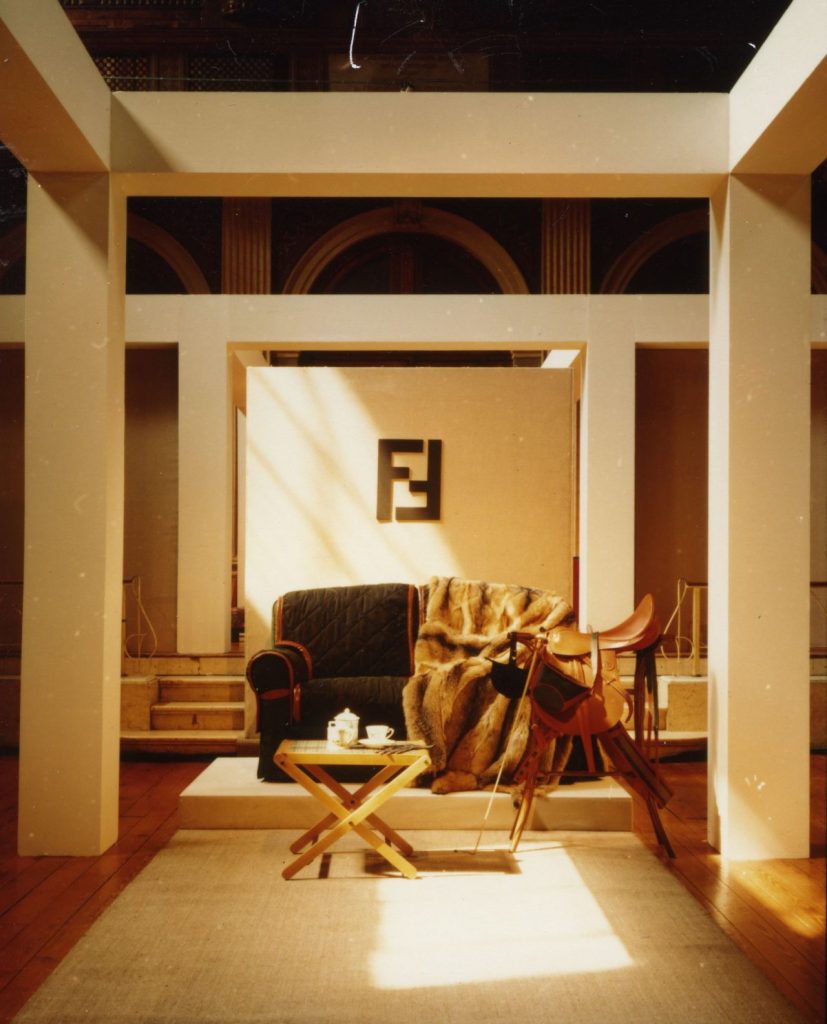
If you were to choose a fashion brand for a reality show, Fendi would probably be the one with the most dramatic drama. Family heritage, female succession, design genius, business alliances, cultural preservation, and global conquest—each episode is packed with highs and lows. Even more intriguing, the protagonist of this drama actually started out as a squirrel.
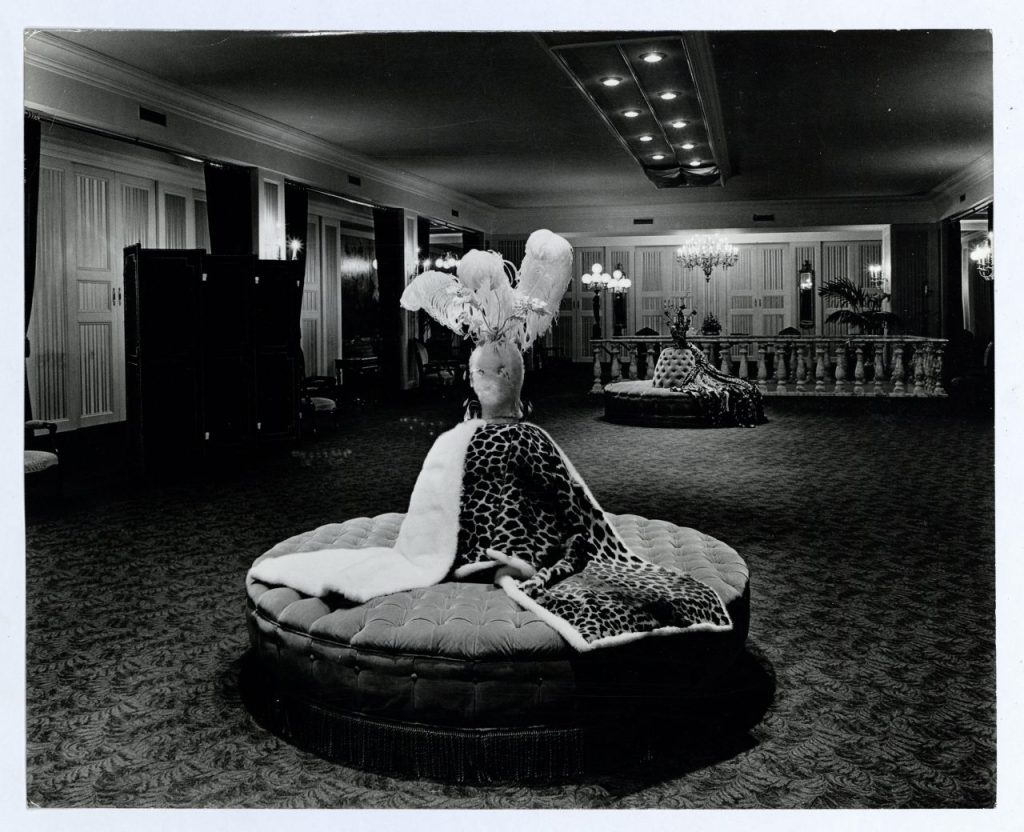
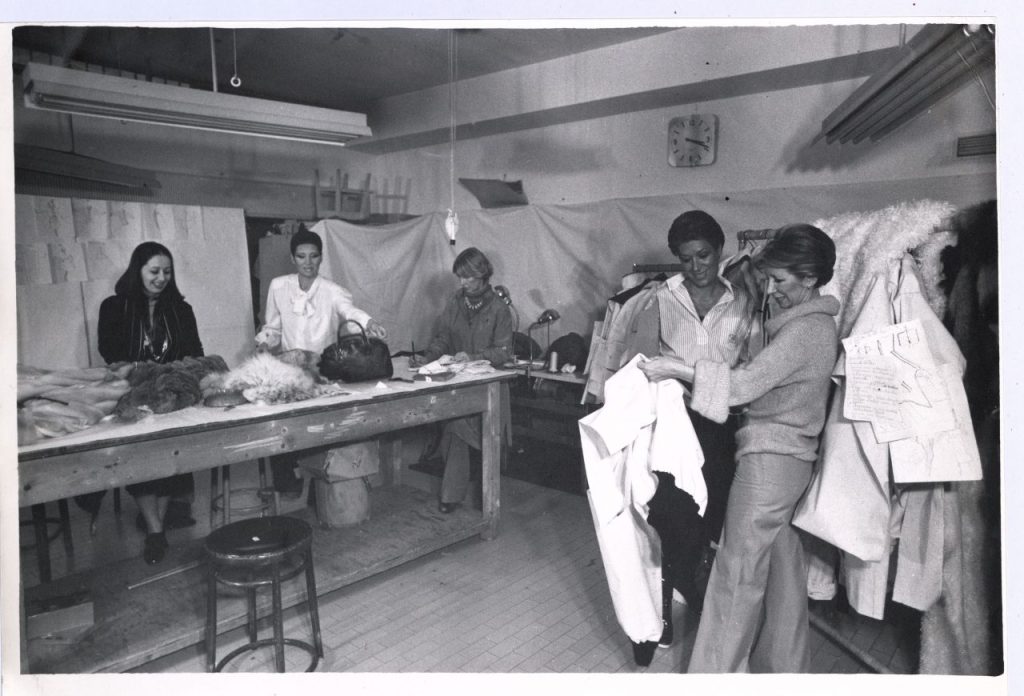
Squirrels, furs, and five daughters
The story begins in Rome in 1925. Adele Casagrande had just married Edoardo Fendi, and the couple decided to open a fur and leather goods workshop in Rome. To celebrate her new identity, Adele changed the name of her shop from her surname to "Fendi." Unexpectedly, this change would create a century-old brand. Fendi's first logo wasn't a flashy double F, but a squirrel. The inspiration came from a squirrel souvenir Edoardo gave his wife, jokingly remarking that she, like a squirrel, was always busy. The squirrel became a symbol of their entrepreneurial spirit: dedication to craftsmanship, quality, and a relentless focus on craftsmanship.
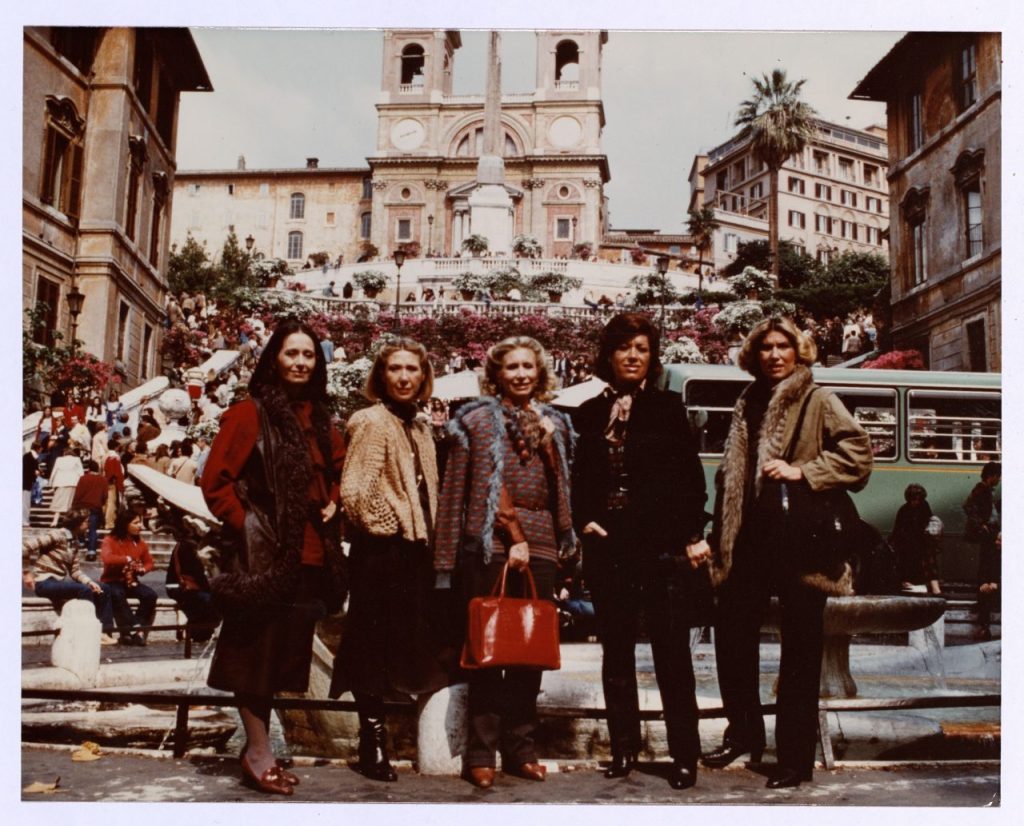
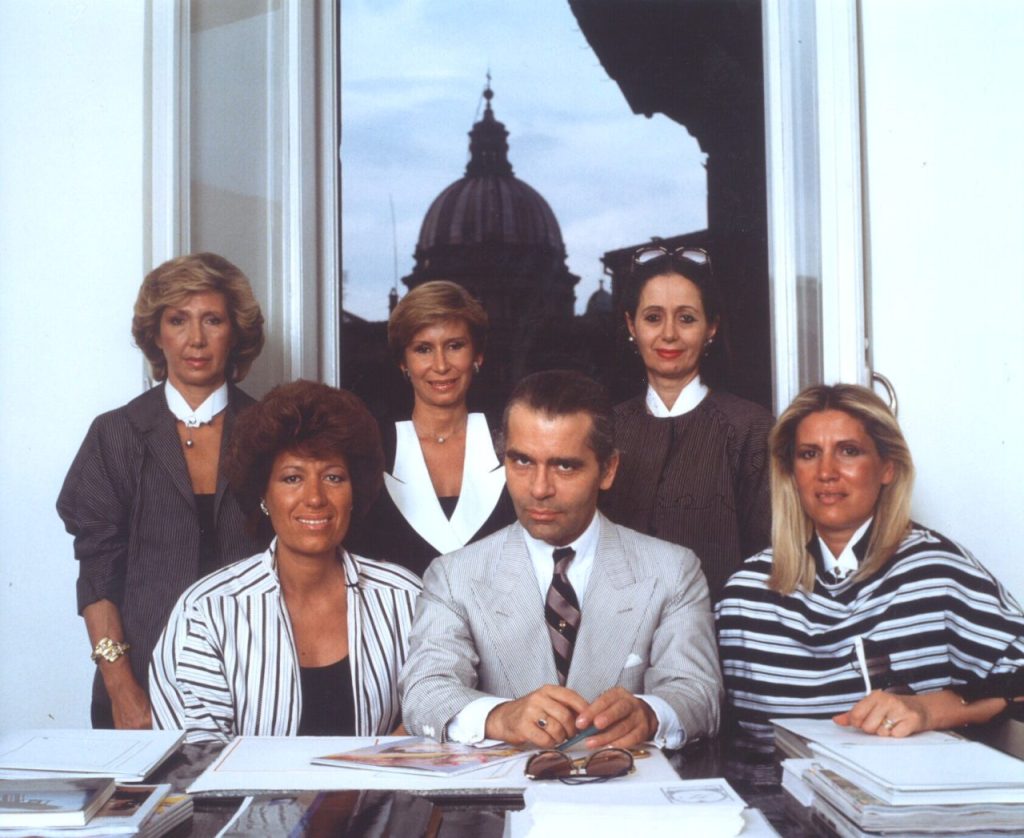
But it was their five daughters who truly propelled the brand to success. Five women, one family business—it sounds like a fashionable Italian palace drama. Growing up, they were exposed to fur and leather craftsmanship, and as adults, they weren't content to be just family members; they wanted to take Fendi to the global stage.
German design genius breaks into Italian homes
In 1965, the five sisters made a surprising decision: they hired German designer Karl Lagerfeld, then in his early thirties. Remember, this was an era when Italian fashion prided itself on local talent, and hiring a foreigner to take over design was tantamount to putting the family on the line. It proved a winning bet. Lagerfeld not only created the double-F logo, representing "Fun Furs," but also overturned the perception of fur as old-fashioned, making it youthful, avant-garde, and even a bit rebellious. From then on, Fendi was no longer just the choice of Roman ladies; it became a new favorite among fashion players worldwide.
Even more remarkable is that this collaboration lasted 54 years. The love-hate relationship between the five sisters and Lagerfeld created the longest-lasting designer-brand collaboration in fashion history, and also enabled Fendi to expand from a fur specialty store to ready-to-wear, accessories, home furnishings, jewelry, and even cultural preservation.
Baguette's Fashion Comeback
While fur launched Fendi into international fame, the brand's true success was undoubtedly the 1997 Baguette bag. Designed by Silvia Venturini Fendi, this miniature bag, inspired by the French baguette, was largely ignored at the time. The '90s saw the rise of large, practical bags; who would want to carry a bag so small it couldn't hold anything? Yet, this unfashionable design found a home in the TV series "Sex and the City." The iconic line, "It's not a bag, it's a Baguette," not only catapulted the Baguette to fame but also made Fendi a symbol of millennial fashion.
While the Baguette continued to enjoy its popularity, in 2008, Silvia unveiled a new bag, the Peekaboo. This time, with its minimalist silhouette and ingenious hidden pockets, it defied the stereotype of a "look-only" bag. The Peekaboo reconnected Fendi with its roots in Roman craftsmanship and understated luxury, rekindling consumers' desire for handmade bags.
One hundred years of glory and future
Speaking of centennials, Fendi certainly didn't miss the opportunity to celebrate. At its Spring/Summer 2024 menswear show, Fendi unveiled the "Fendi Crest," a shield that combined a squirrel, the double-F logo, the Pequin stripes, and the Roman two-faced god Janus, encapsulating the family's century of glory. Furthermore, Fendi has rekindled its ties with Rome, restoring the Trevi Fountain, donating to the Temple of Venus, supporting the Villa Medici, and even sponsoring the restoration of the World Heritage-listed Villa d'Este.
2025 marks Fendi's centenary, but the story is far from over. What lies ahead? New classics? Even more wild shows? Or perhaps expansion into unexpected territories? If there's one thing Fendi has taught us over the past century, it's that nothing is impossible. After all, who could have imagined that a squirrel could truly create a century-old fashion empire?