
In recent years, Vancouver's Chinatown has been slowly reshaping its culinary landscape, and the emergence of Uchu adds a touch of tangy, seafood flavor from across the Pacific. It's not just a restaurant that focuses on ambiance; it's a modern Peruvian cevichería that places seafood at its heart and considers sauces its soul.
Chef Ricardo Valverde's culinary philosophy has always been clear. Growing up on the Peruvian coast, he was surrounded by seafood from a young age. For him, seafood was never a luxury, but an everyday part of life. He says that ceviche taught him that good cuisine doesn't need much embellishment; the most important thing is to respect the ingredients. The ingredients are the protagonist, and technique is merely a backdrop. To this day, this idea still dominates his kitchen logic: acidity must be precise, temperature must be clean, and flavor must be honest.
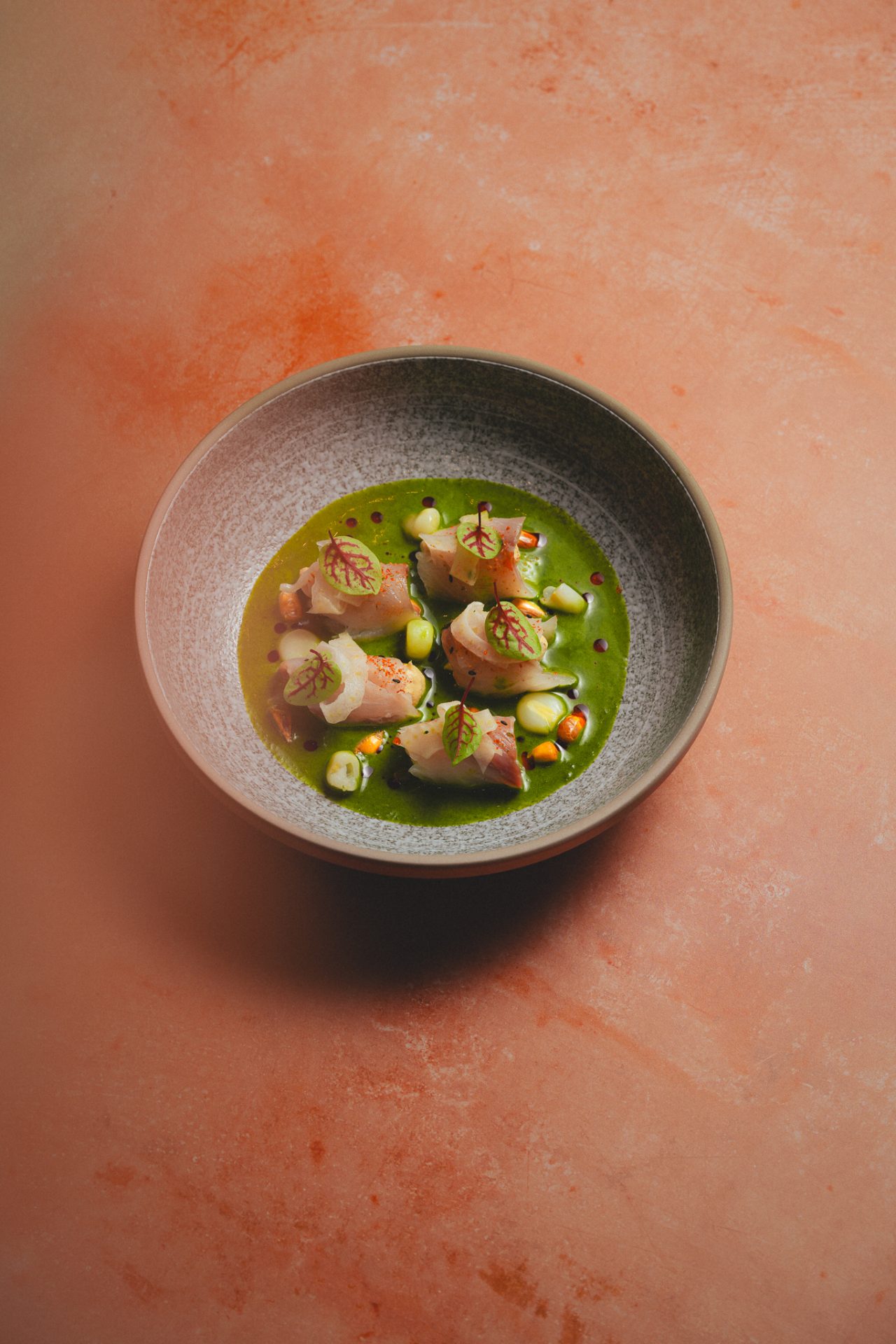
What's truly captivating is his meticulous attention to the variations in ceviche sauce. At Uchu, every leche de tigre (tiger milk sauce) isn't made according to a fixed recipe. "For me, leche de tigre is alive; it's never a standard recipe," Ricardo says. Rather than deciding on the method first, he often asks himself: what does this seafood truly need? White-fleshed fish suits a clean, well-defined version; oilier fish can handle a deeper spiciness and saltiness; as for shellfish, sometimes a little more salt or a touch of warm spiciness is needed to bring out their natural sweetness. For him, the role of acidity isn't to "cook" the fish, but to awaken the flavor; and spiciness isn't about being as strong as possible, but about being just right.
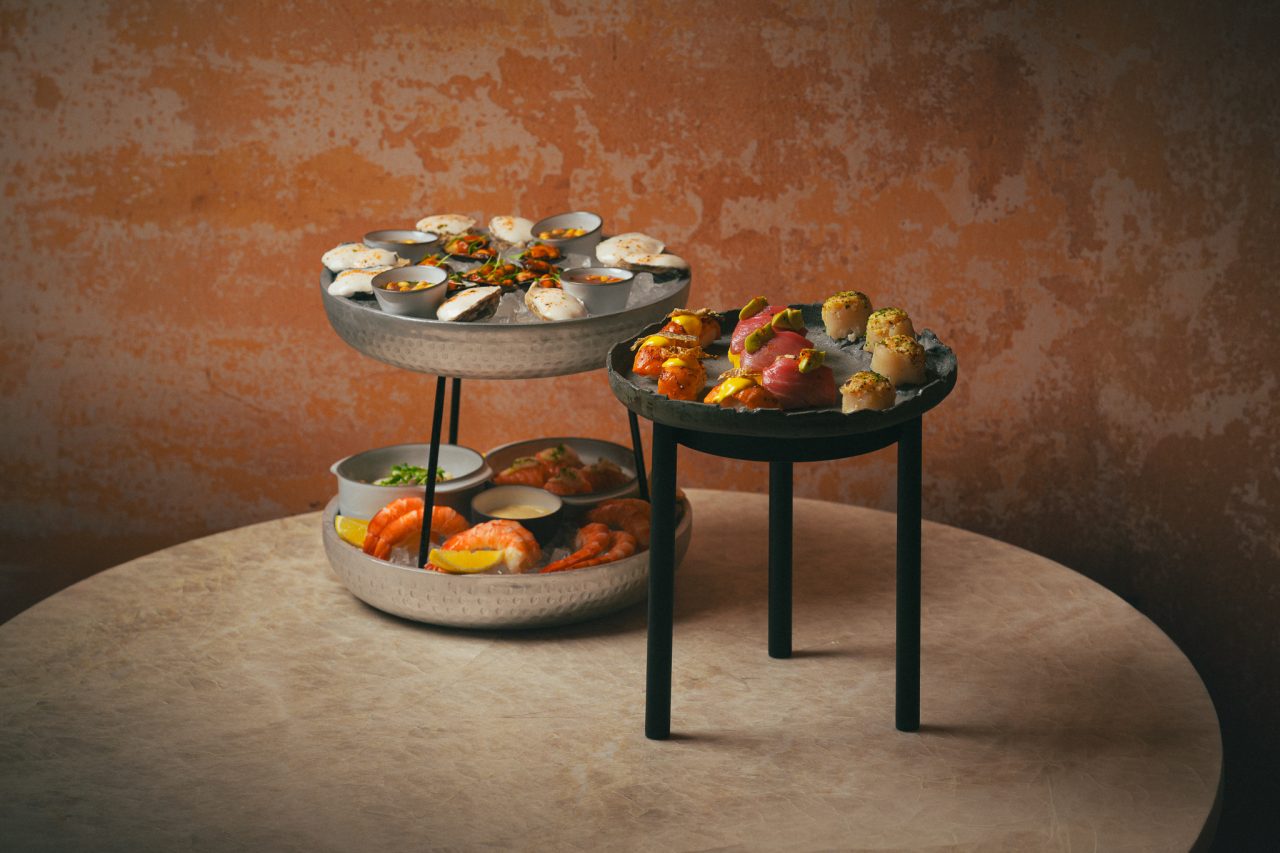
This approach of thinking along the lines of the ingredients extends to Uchu's cold dishes and seafood towers. Oysters, bluefin tuna, sweet shrimp, clams, and sea urchins are all, in his eyes, distinct individuals, not ingredients that can be treated the same way. "Freshness isn't just about the place of origin; it's the result of a series of judgments," he says. "From the moment they leave the water until they're served, temperature, time, and processing methods all affect the final state." Raw seafood, which must be kept chilled, is presented on ice; but if it's a bite served with causa potatoes or sushi rice, he won't deliberately put it on ice, because a change in temperature and texture would alter the overall balance. These seemingly minor details are actually part of the design. 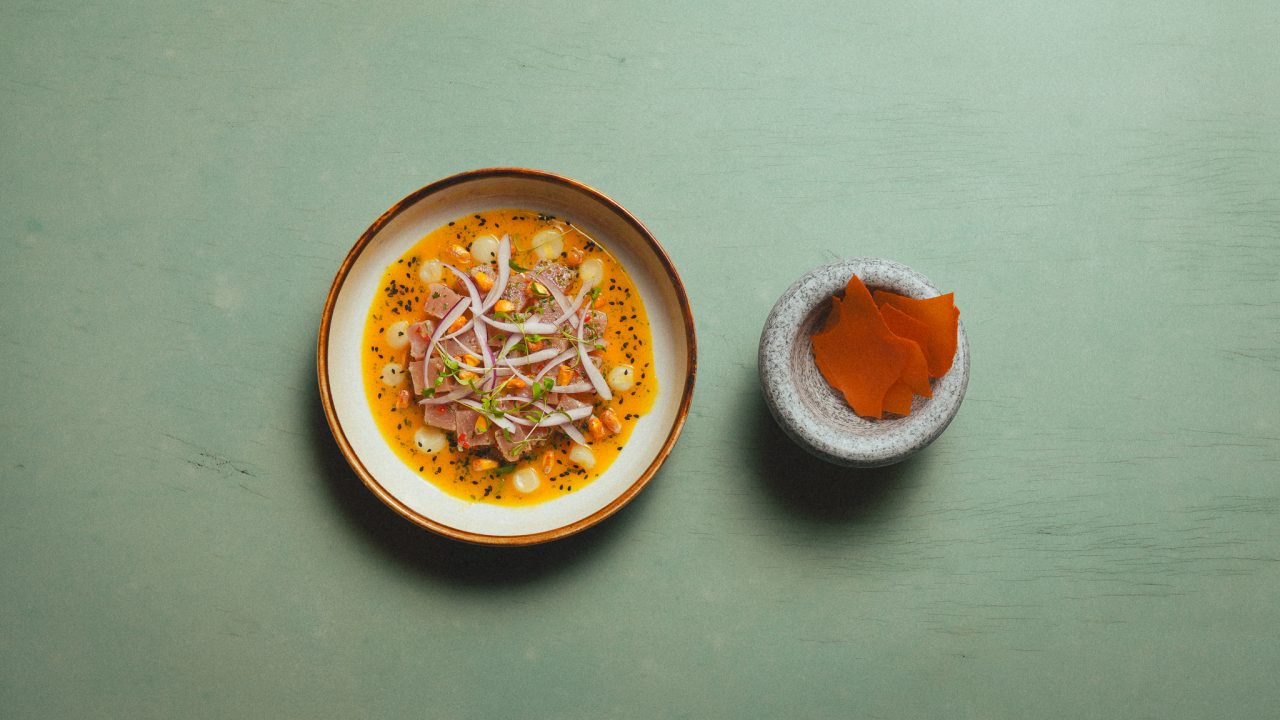
The Pacific seafood in Vancouver also made Ricardo rethink how Peruvian techniques could be adapted for the local market. "The seafood here has a cleanness that comes from cold water, and its sweetness and firmness are quite unique," he says, his voice still carrying that delightful surprise when he mentions spot prawns—that natural sweetness makes you want to cook it less, not wanting to mask its original flavor. Albacore tuna, black cod, and even local clams all required him to readjust the acidity and spiciness ratios. "I'm not trying to replicate the coast of Lima, but rather to let this Pacific Ocean speak with a Peruvian accent."
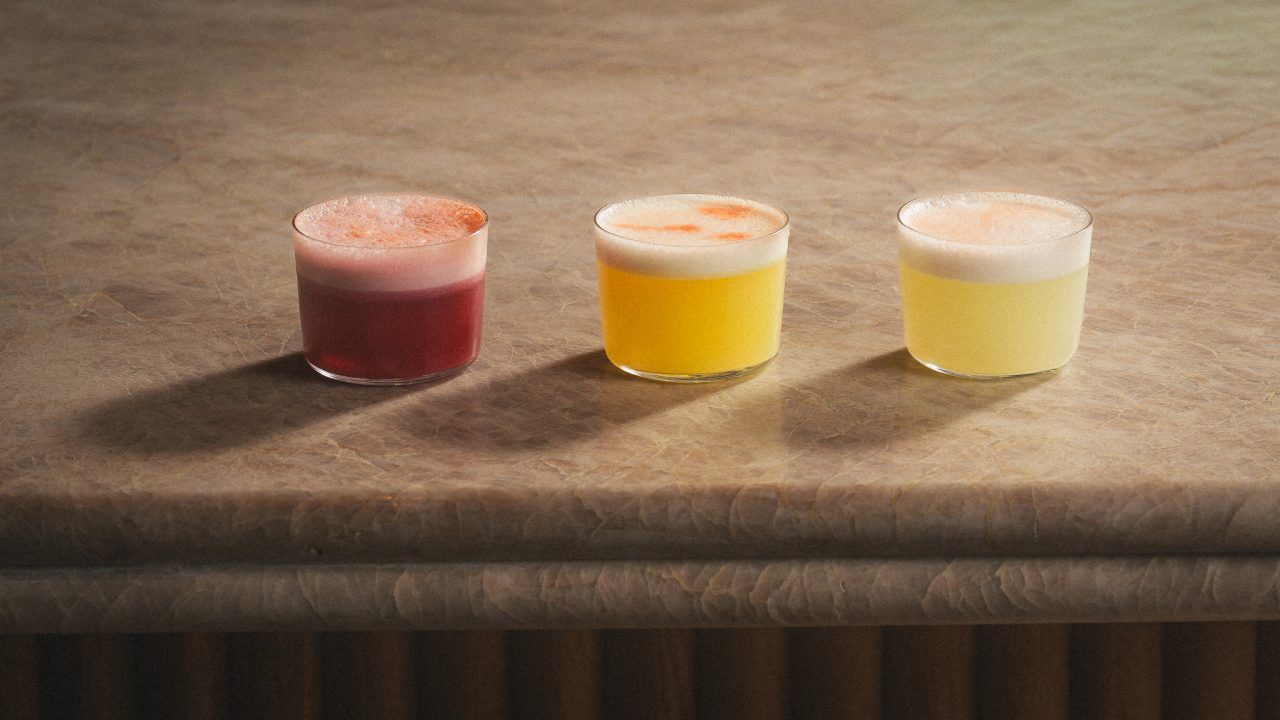
The wine list and cocktails extend the coastal narrative a bit further. The floral and citrus notes of the Argentinian Torrontés perfectly complement the bright citric acidity of the ceviche; the crisp Chardonnay, or the lighter Pinot Noir, maintains a comfortable rhythm between the cold dishes. As for the actual wine pairings, Ricardo candidly laughs and says he leaves that to his team. "Erdem and Michel have a deep understanding of wine and food; they make the whole meal more complete." This trust and division of labor is itself a sign of maturity.
When asked what he most wanted guests to remember, he didn't think of a particular dish. "I want them to remember a feeling," he said. "A clean, bright, vibrant flavor, and the connection they feel sitting here with the sea, with the culture, and with each other." If guests leave feeling that the meal was authentic and enjoyable, that's what Uchu wants to achieve.
In Chinatown, Uchu doesn't aggressively promote itself; instead, it quietly brings the spirit of the Peruvian coast into the city. As the lemon's tartness shines on your tongue, and the sea-like saltiness lingers in the aftertaste, you slowly realize that what they want to talk about here isn't trends, but rather the sea.
The post "In Search of Peru in Vancouver's Chinatown" first appeared on Pure Lucky Magazine .
In recent years, Vancouver's Chinatown has been slowly reshaping its culinary landscape, and Uchu's arrival adds a touch of tangy, seafood flavor from across the Pacific. It's not just a restaurant focused on ambiance; it's a modern Peruvian ceviche where seafood is at the heart and sauces are the soul. Chef Ricardo Valverde's culinary philosophy has always been clear. Growing up on the Peruvian coast, he was surrounded by seafood from a young age. For him, seafood was never a luxury, but an everyday part of life. He says ceviche taught him that good cuisine doesn't need much embellishment; the most important thing is respecting the ingredients. The ingredients are the protagonist, and technique is merely a backdrop. Even today, this idea guides his kitchen logic: precise acidity, clean temperature, and honest flavor. What truly captivates is his meticulous attention to the nuances of ceviche sauce. At Uchu, every leche de…
The post "In Search of Peru in Vancouver's Chinatown" first appeared on Pure Lucky Magazine .
")%]
In recent years, Vancouver's Chinatown has been slowly reshaping its culinary landscape, and Uchu's arrival adds a touch of tangy, seafood flavor from across the Pacific. It's not just a restaurant focused on ambiance; it's a modern Peruvian ceviche where seafood is at the heart and sauces are the soul. Chef Ricardo Valverde's culinary philosophy has always been clear. Growing up on the Peruvian coast, he was surrounded by seafood from a young age. For him, seafood was never a luxury, but an everyday part of life. He says ceviche taught him that good cuisine doesn't need much embellishment; the most important thing is respecting the ingredients. The ingredients are the protagonist, and technique is merely a backdrop. Even today, this idea guides his kitchen logic: precise acidity, clean temperature, and honest flavor. What truly captivates is his meticulous attention to the nuances of ceviche sauce. In Uchu, every leche de… The post In Search of Peru in…
