
In the champagne world, brands compete not only on flavor and vintage, but also on values. Champagne Telmont, located in Damery, France's Champagne region, has quietly attracted global attention in recent years with its "de-luxury" approach. They've eliminated all gift boxes, stopped air shipping, made bottles lighter and simpler, and even included carbon footprint information and the complete source of ingredients on their labels. Key behind these decisions is current CEO Ludovic du Plessis, a marketing veteran with a background in both luxury brands and the wine industry.
He previously worked at Louis XIII, a cognac house under the LVMH Group, and also gained years of experience in champagne at Dom Pérignon. Now, he leads Telmont in an experiment in sustainable luxury, challenging the industry's inherently conservative nature. He says, "True luxury shouldn't be just about packaging and glitz, but about a responsible attitude towards the land and the future." This isn't just a slogan; it's a fundamental shift across agriculture, design, climate action, and brand philosophy. And this revolution has a global ally: Leonardo DiCaprio.
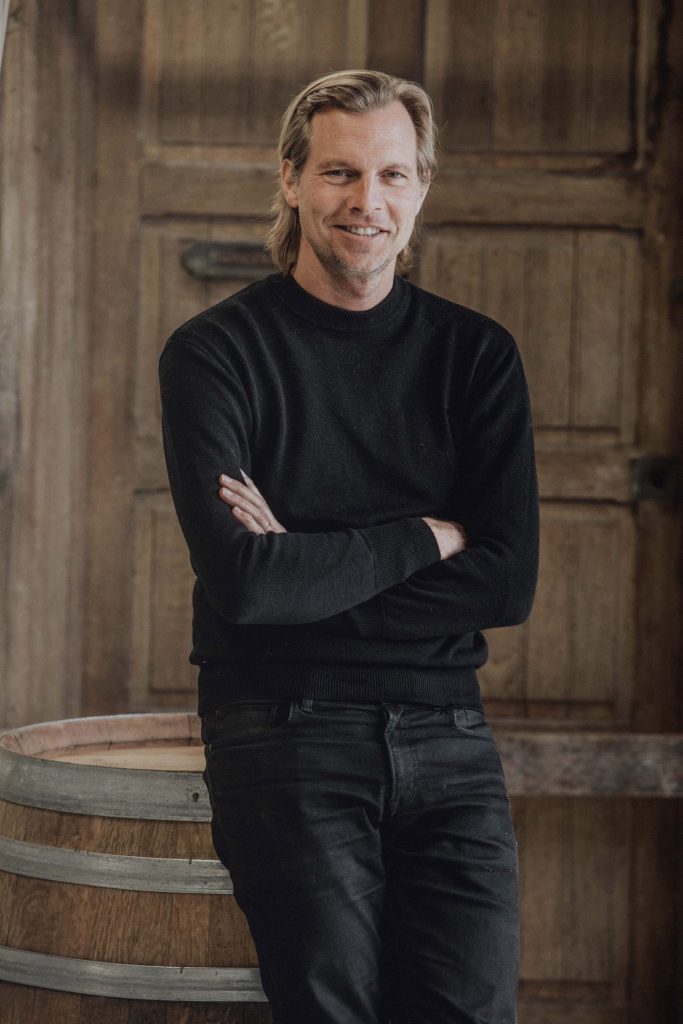
Ludovic du Plessis, CEO of Champagne Telmont
You have a background in both luxury goods and the wine industry. How do these two factors come together to shape Telmont’s brand identity?
Telmont's rebranding and our sustainability initiative, centered around "In the Name of Mother Nature," are the product of a culmination of my personal and professional journeys. I've always had a passion for high-quality products, coupled with a desire to do my part for the planet. The drive for sustainability stems from years of conversations with my longtime friend Leonardo DiCaprio, the UN Climate Change Ambassador who first planted the seed in me. Over the years, I've become increasingly aware of a fundamental, often overlooked question: What is true luxury? Can a product truly be considered luxury if it lacks a sense of responsibility for the planet? In my view, true luxury today must be sustainable, aligning exquisite quality with a commitment to the planet.
Promoting sustainability is a long-term battle with high costs and slow returns. How do you secure the commitment of shareholders and your team?
While sustainability does carry costs, it also offers immense value. Millions of champagne lovers worldwide are seeking brands that meet their high standards for taste and quality while also being responsible for the planet. Telmont's double-digit annual growth rate, particularly against the backdrop of a shrinking champagne industry, is a powerful persuasive argument.
We deeply appreciate the cost pressures our grape growers face in transitioning to organic farming. We've designed incentives to support them, ensuring they understand that our sustainability values are more than just slogans. As for our internal team, there's little convincing required. They're truly dedicated and passionate individuals who have embraced sustainability as their lifelong mission.
In the Champagne industry, which sustainability issue do you think is most overlooked, yet most pressing?
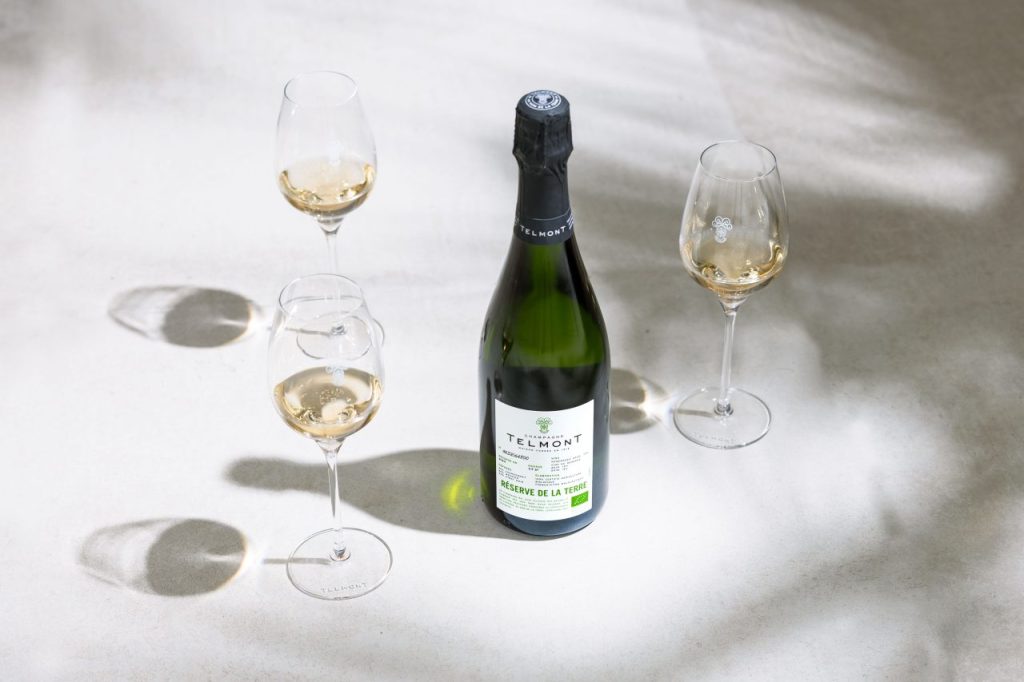
The benefits of organic grapes for Champagne itself are rarely discussed. Come and try our signature cuvée, Réserve de la Terre, and our new Réserve de la Terre Rosé. These wines showcase the fruits of organic farming: pure fruit, bold flavors, and vibrant energy. I call them happy wines because they are grown without herbicides, synthetic pesticides, fungicides, or fertilizers—they are truly products of a healthy earth. I envision Champagne moving from its current organic content of less than 5% to 100%.
Telmont isn't just about reducing harm; it's about creating positive impact. What are some of the specific practices you're implementing?
We are transitioning our entire winery to organic and regenerative farming methods, which means not only eliminating synthetic chemicals but also adopting practices that enhance soil health and biodiversity. We deeply love our soil and terroir, and we are committed to making it flourish. The results of these practices are clear: the land is smelling and thriving again, and birds are returning to the vineyards.
These changes are clearly reflected in the quality of the wine. For us, truly great Champagne must come from living soil, and only organic and regenerative farming methods can bring Champagne to life.
In a traditionally conservative industry, Telmont has made many bold decisions, such as eliminating gift boxes, eliminating air freight, and reducing bottle weight. Which one are you most proud of?
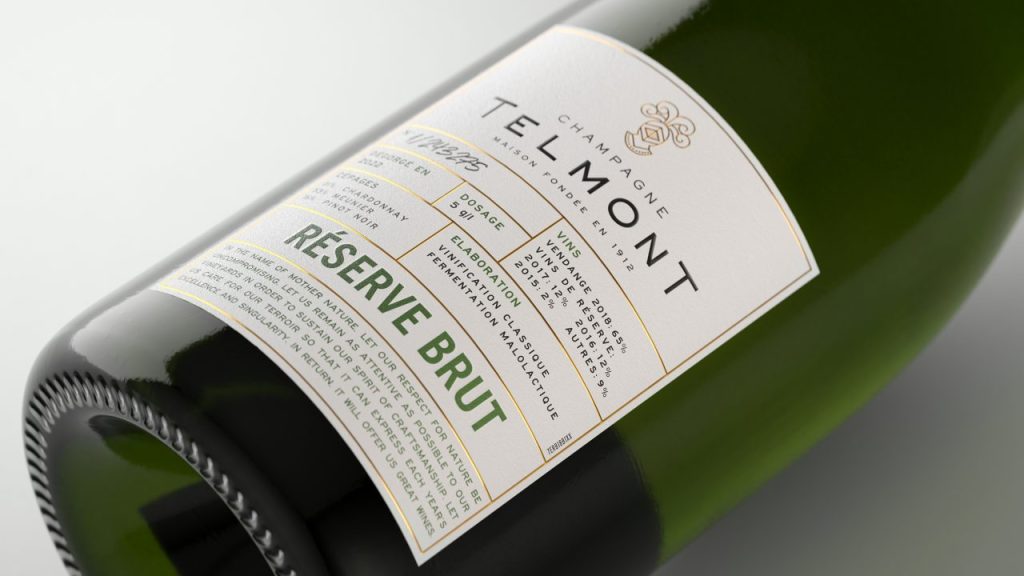
I'm most proud of our resolute decision to eliminate all gift boxes and unnecessary packaging. This goes against the grain in the luxury industry, where packaging is often seen as a symbol of value and status. We chose to eschew elaborate embellishments, showcasing the purity and beauty of the bottle's natural color. True luxury should respect resources and the planet. This decision earned us the Gold Medal in the Design and Packaging category at the 2023 Drinks Business Magazine Global Wine Masters Awards, with the judges specifically praising our "package-free" concept. Eliminating gift boxes reduces our carbon footprint by 8%, and the savings can be reinvested in organic farming, creating a virtuous cycle. We didn't reinvent the wheel; we simply chose the most common-sense path.
Telmont is currently focused on environmental sustainability. Will it expand into social issues, such as fair trade or farmers' rights, in the future?
We have long-standing and deep partnerships with our partner farmers and fully support their transition to organic and regenerative farming practices. This journey can be challenging, but we offer practical guidance, experience sharing, and financial assistance, especially during the initial stages of the transition when yields may decline. We hope they feel supported and recognized throughout this journey, rather than feeling isolated and alone.
Did Leonardo DiCaprio offer any specific suggestions for Telmont's sustainability efforts?
Since becoming a minority shareholder in Telmont in 2022, he has been deeply involved in our initiatives, bringing his extensive insights and passion for sustainability to the table. He frequently visits our estate in Damery to gain firsthand insights into our practices. Over the years, I have had countless in-depth conversations with him, which were crucial to the birth of the "In the Name of the Terre" initiative. He not only supports our philosophy but also helps us reach a wider global audience and promote a more sustainable future for the entire Champagne region. He once described Telmont's organic champagnes as "full of emotion, capturing the essence of light and life. They are the taste of the future."
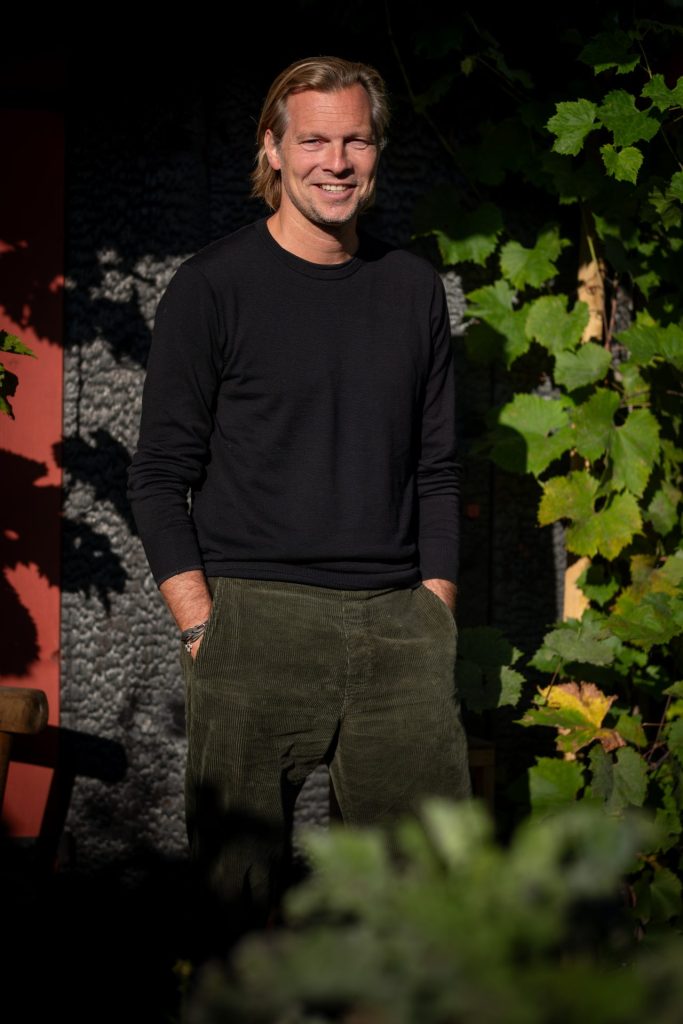
As a business leader, how do you practice sustainability in your personal life? Do you have any habits that align with Telmont's philosophy?
Practicing sustainability in daily life is truly challenging and requires a great deal of humility. None of us are perfect, but the key is to be willing to start. I mostly use a Brompton folding bike to get around Paris. When I travel from Paris to Telmont's winery in Damery, I also combine train and bike rides—my low-carbon mode of transportation. This commute isn't a sacrifice for me; it's the most natural choice. Every morning, my 30-minute ride through the countryside between Épernay and Damery is a moment to reconnect with the terroir and stay healthy. When you truly understand the urgency of the environmental challenge, you naturally find ways to make a difference in your life.
