
Toronto is a city where you can find a wide variety of cuisines, but the restaurants that truly leave a lasting impression aren't often those with high-profile publicity or gimmicks. Radici Project, a small, unassuming restaurant tucked away in a downtown alley, feels a bit like a test kitchen. Named after the Italian word "Radici," meaning "roots," it makes one wonder what kind of restaurant would choose such a humble beginning.
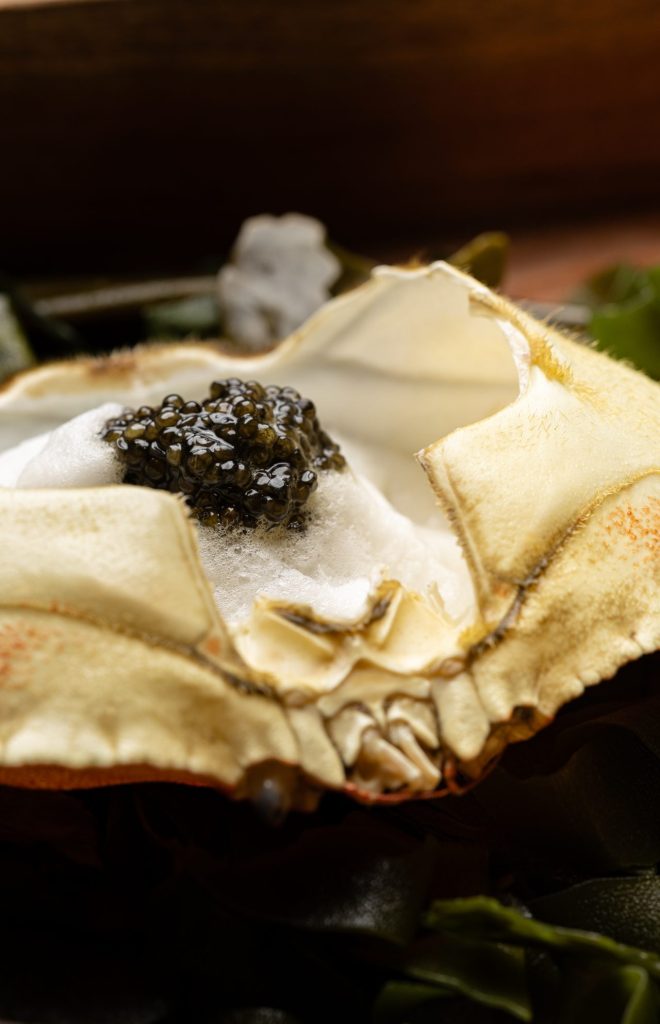
British Columbia Dungeness Crab

Beeswax marinated duck breast
Located in Toronto's Little Italy district, Radici Project offers a unique dining experience, featuring a natural bar area in the front and a chef's table in the back. Upon entering, the restaurant lacks ornate decor; instead, a palette of wood, stone, and plants adds a touch of warmth. The overall space blends Japanese and Nordic minimalist styles with Canadian warmth, creating a comfortable and intimate dining atmosphere.
Taste the three regions in one gulp
The restaurant offers a tasting menu that changes seasonally. That evening, we sampled eight courses. The first was British Columbia Dungeness crab, made with crab meat, almonds, and Canadian caviar . It looked simple, but the presentation was quite interesting. The crab shell served as a plate, revealing a delicate crabmeat paste paired with caviar. Without over-seasoning, the natural sweetness of the ingredients and the salty aroma of the seawater were palpable. The almonds had a subtle flavor, adding a touch of fragrance to the overall dish, making it a great start. The second course was duck breast aged in beeswax, a relatively uncommon method. The duck meat had a pinkish-yellow color and a smooth texture, with a hint of honey that didn't overpower the flavor, but rather enhanced the inherent flavor of the duck. It's clear that the key to this dish isn't the fancy sauce or ingredients, but the chef's approach to the ingredients.
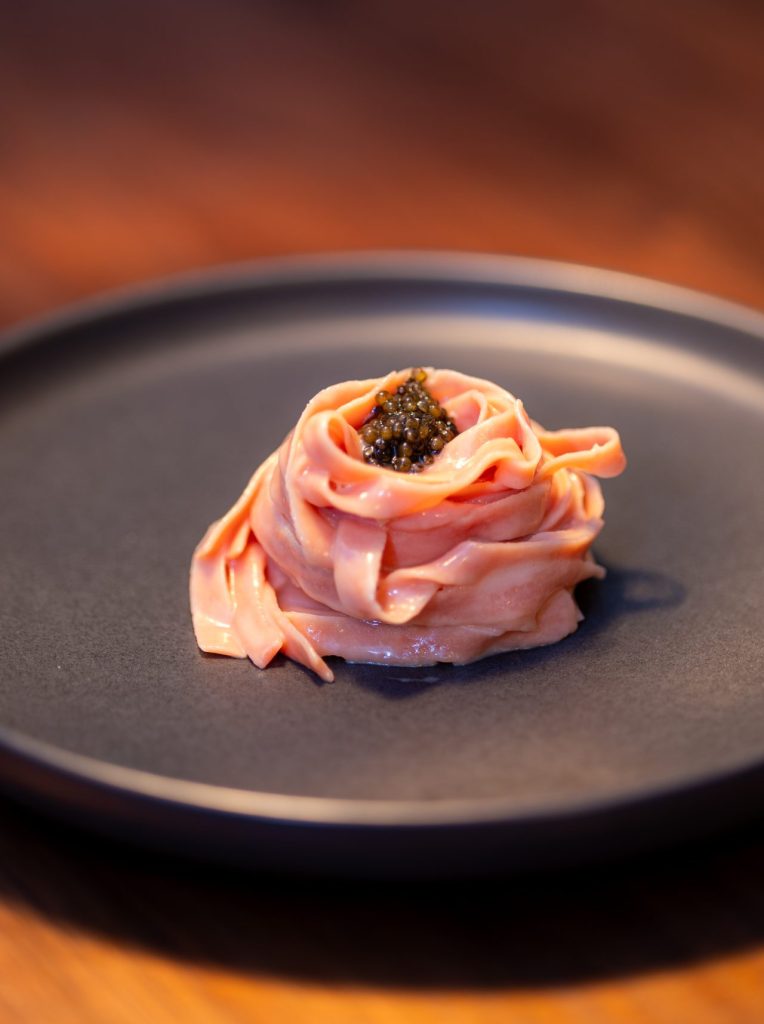
Beetroot handmade linguine with smoked caviar
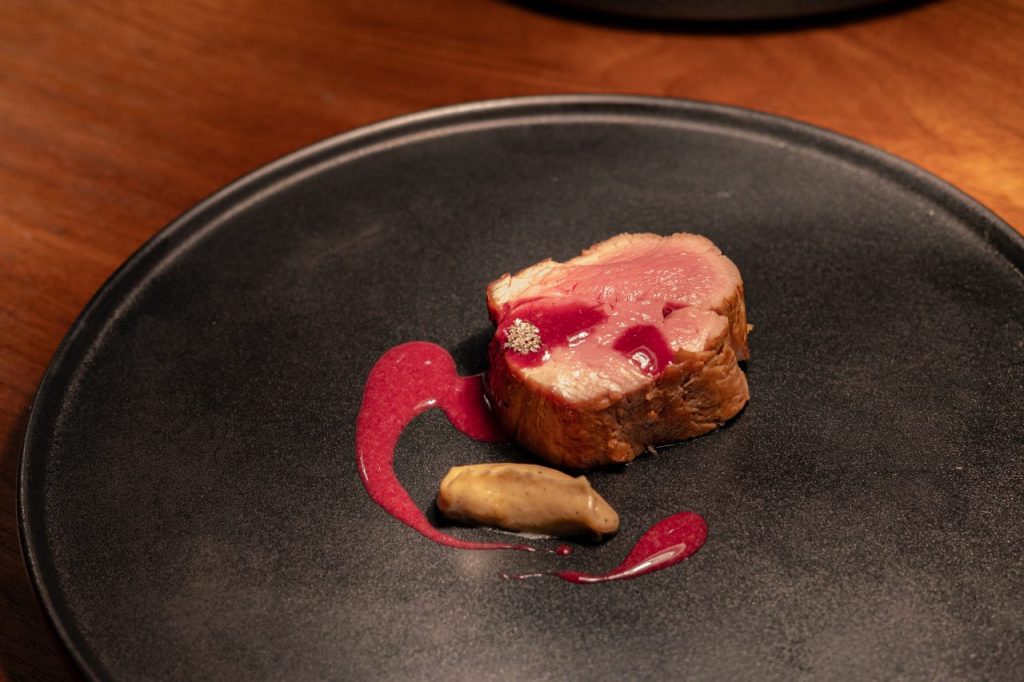
Veal with parsnip puree and Saskatoon berry sauce
The third course, fried chicken with Italian paprika sauce, looked like a standard Japanese snack at first glance, but the subtle spiciness and fruity aroma of the sweet peppers added a touch of depth to the ordinary fried chicken. While the combination wasn't surprising, it was still interesting, a subtle fusion of the homely flavors of two cultures, and quite satisfying. The fourth course, handmade beetroot vermicelli with smoked caviar, was the most eye-catching dish of the evening. The purplish-red noodles were photo-worthy, but the flavor was more restrained than their appearance suggested. The fish sauce and cream sauce gave the noodles a fermented, salty flavor without being cloying, while the smoked caviar further concentrated the flavors. While not flashy, they were layered and demonstrated a sophisticated technique.
Next up was the Genovese Ravioli with Caramelized Onion Broth. Italian ravioli in a Japanese-style broth sounded intriguing, and it actually worked quite well. The caramelized onion broth had a slightly sweet and smoky base, and the wonton wrappers were thin and generously filled, allowing the broth to ooze out with every bite. It was simply delicious, without any overly packaged surprises. The maitake mushrooms with Italian paprika might seem like a minor tidbit, but the aroma of the paprika complemented the nutty flavor of the maitake mushrooms quite well. Although vegan, the dish wasn't monotonous, almost like the chef wanted to give everyone a break.
The main course was veal with parsnip puree and saskatoon berry sauce. The beef was seared perfectly, tender and not overly showy. The parsnip puree had a hint of char, and the sauce was slightly sour and sweet, creating a simple, solid meat dish. From this point on, one could sense that the chef wasn't aiming for a show-stopping experience, but rather wanted to present each ingredient in the most appropriate way. The dessert, "Honey, Milk, Pollen, and Chamomile Cake," was adorable, with honeycomb-shaped crisps paired with a dense cake. The aromas of honey and pollen were naturally not overpowering, while the chamomile was subtle and not overly sweet. The overall effect was a gentle and light ending that didn't feel overwhelming.
From the plate to the cup
At Radici Project, not only does the food tell a story, but the wine list also plays a crucial role in upholding this sense of "roots." Restaurant manager Kayo Ito, a certified sake sommelier herself, collaborated with renowned Toronto sommelier Debbie Shing and the chef to design the wine list. The signature aperitif, Vai Con Dio, features Valley of Mother of God gin from Ontario, Japanese yuzu sake, and the restaurant's own kombucha. It has a slightly herbal aroma, a tart and sweet flavor, and is incredibly refreshing. A glass at the start of the meal gently awakens the palate.
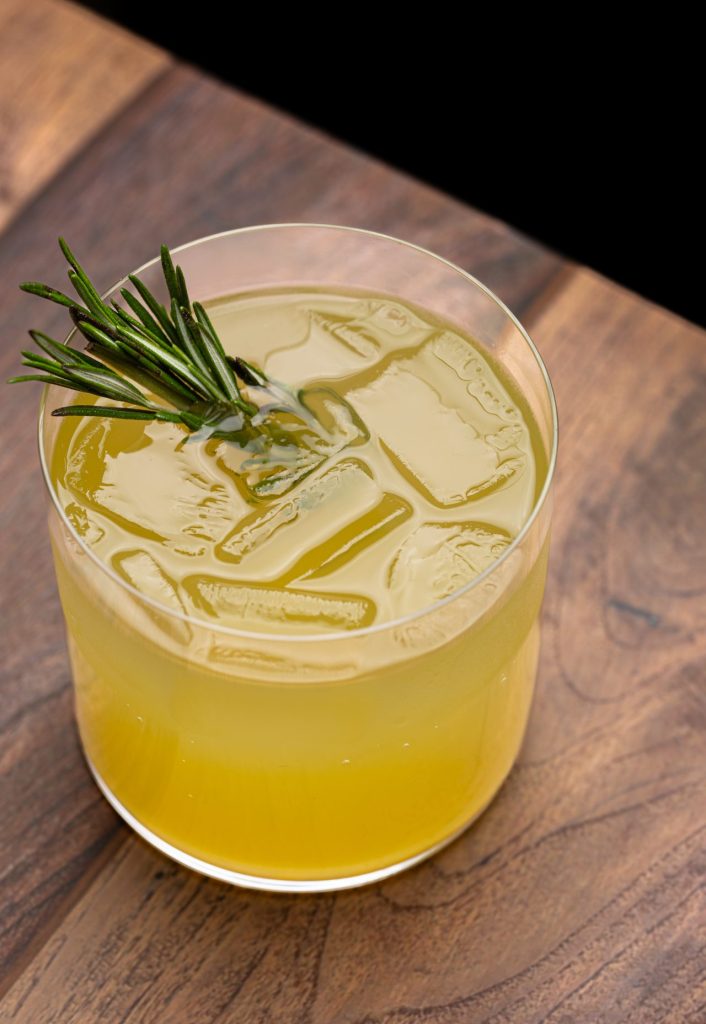
Signature aperitif Vai Con Dio
If you enjoy sake, the two selections here are also quite noteworthy. One is the Keigetsu Cel24 Junmai Daiginjo from Kochi Prefecture, Japan, with a distinct fruity aroma. Brewed with a special yeast developed locally, it pairs well with seafood or vegetable dishes. The other is the Dassai 39 Junmai Daiginjo from Yamaguchi Prefecture, with rice milled to 39%. The sake boasts a delicate, clean body and a perfect balance of floral and fruity notes, making it a perfect complement to the chef's meticulous cuisine. Besides sake, the Amaro Nepeta MAJORA herbal liquor from Sicily is also impressive. Made with mint and Sicilian citrus, it has a rich, lingering finish, making it a unique choice whether as a final sip after a meal or added to a cocktail for a more sophisticated touch.
The entire wine list, ranging from Italy to Japan to Canada, is carefully selected to complement the food. Whether it's natural wine, sake, or creative cocktails, they all seem to be designed to complete the flavors of the table, making the drink just right and the meal more enjoyable.
Cultural roots in cuisine
Of course, the work of two key figures behind this is essential: Italian chef Emiliano Del Frate and restaurant manager Kayo Ito, originally from Hokkaido, Japan. With one focusing on the cuisine, the other on the space and the rhythm, their combined efforts have forged the restaurant's unique style. They say they opened this restaurant to remind themselves of their roots.
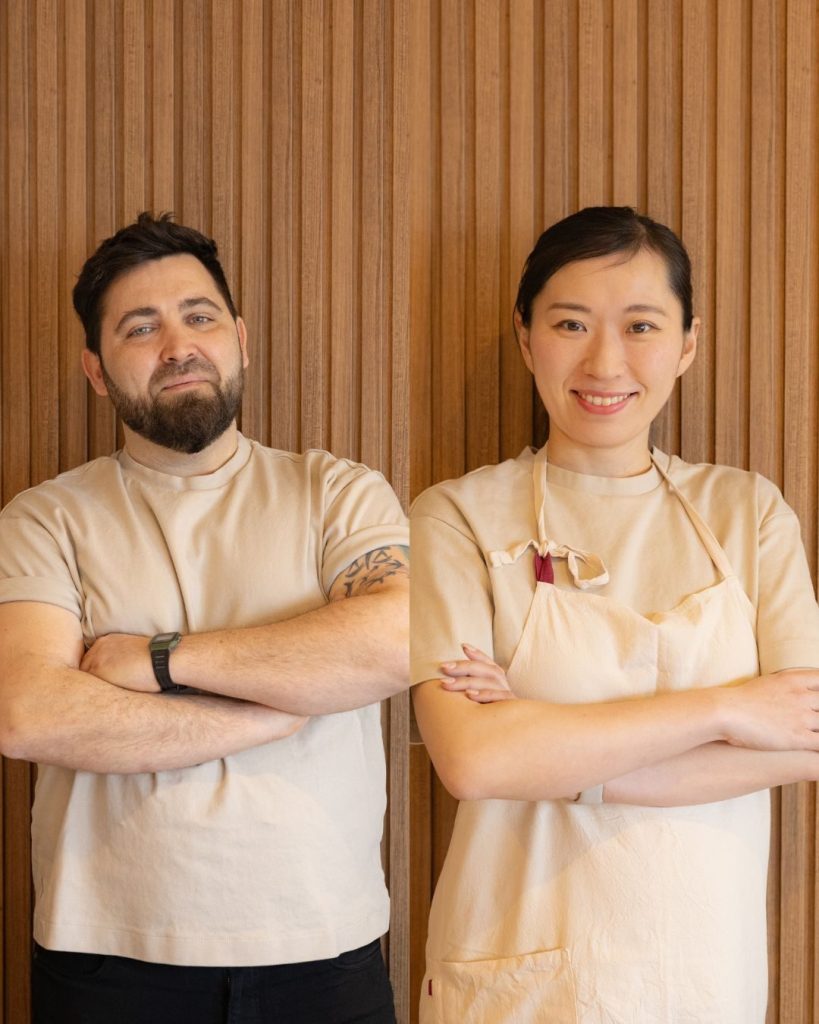
Chef Emiliano Del Frate and Restaurant Manager Kayo Ito
Emiliano has traipsed through numerous prestigious restaurants over the years, from Noma in Copenhagen to ADMO in Paris, Gucci Osteria in Tokyo, and Don Alfonso 1890 and DaNico in Toronto. These experiences have taught him that there are no shortcuts to good cooking; one must root in the land and the seasons. Creating memorable flavors depends not on technique but on a genuine understanding and respect for the ingredients. While not a chef, Kayo believes that the soul of a restaurant lies not only in the food but also in every detail of the space, atmosphere, and service. Having worked for many years at Nobu Toronto and JONI at the Park Hyatt, she excels at integrating people into the experience. Radici Project's space, while stripped of frills, creates a welcoming, tranquil atmosphere. She personally designed the space, collaborating with florist Aya Sugino to create a unique rhythmic atmosphere through natural embellishments.
The sourcing of ingredients on their menus truly reflects their philosophy. Seventy percent comes from local Canadian farms, fishing ports, and small producers, while the remainder is carefully imported from Italy and Japan. They don't tout 100% local ingredients, nor do they pursue so-called "international boutiques," but rather choose the right ingredients and use them just right. Avoiding waste is fundamental, and avoiding extravagance is a principle. Whether it's caviar from a Canadian sturgeon farm, handmade Italian pasta, or herbs and pollen from Hokkaido, they believe these ingredients are worthy of serving.
So, the Radici Project isn't just about a meal; it's about two people from different cultures telling stories through food and expressing their feelings through the atmosphere. They don't advertise it loudly, but they hope that everyone who comes will gradually discover that the roots of cuisine are not just about flavor, but also about respect for the land, culture, and life itself.
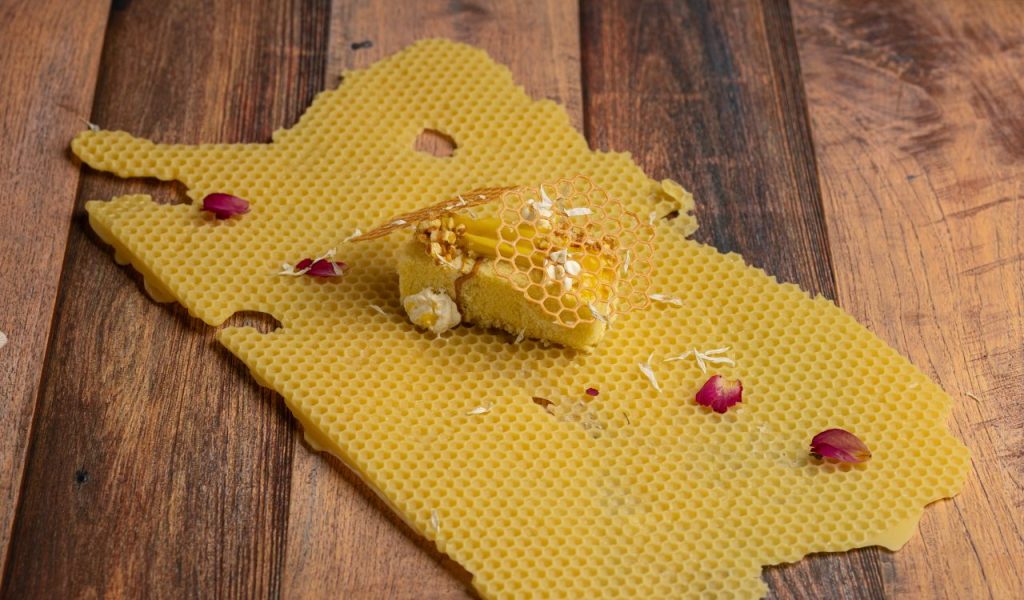
Honey, Milk, Pollen, and Chamomile Cake
